President Lee Jae Myung is doubling down on communicating through social media, despite criticism and mixed assessments of his communication style.
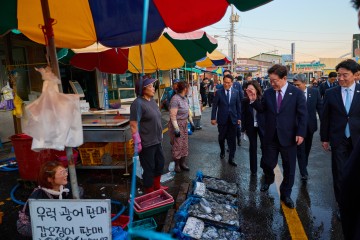
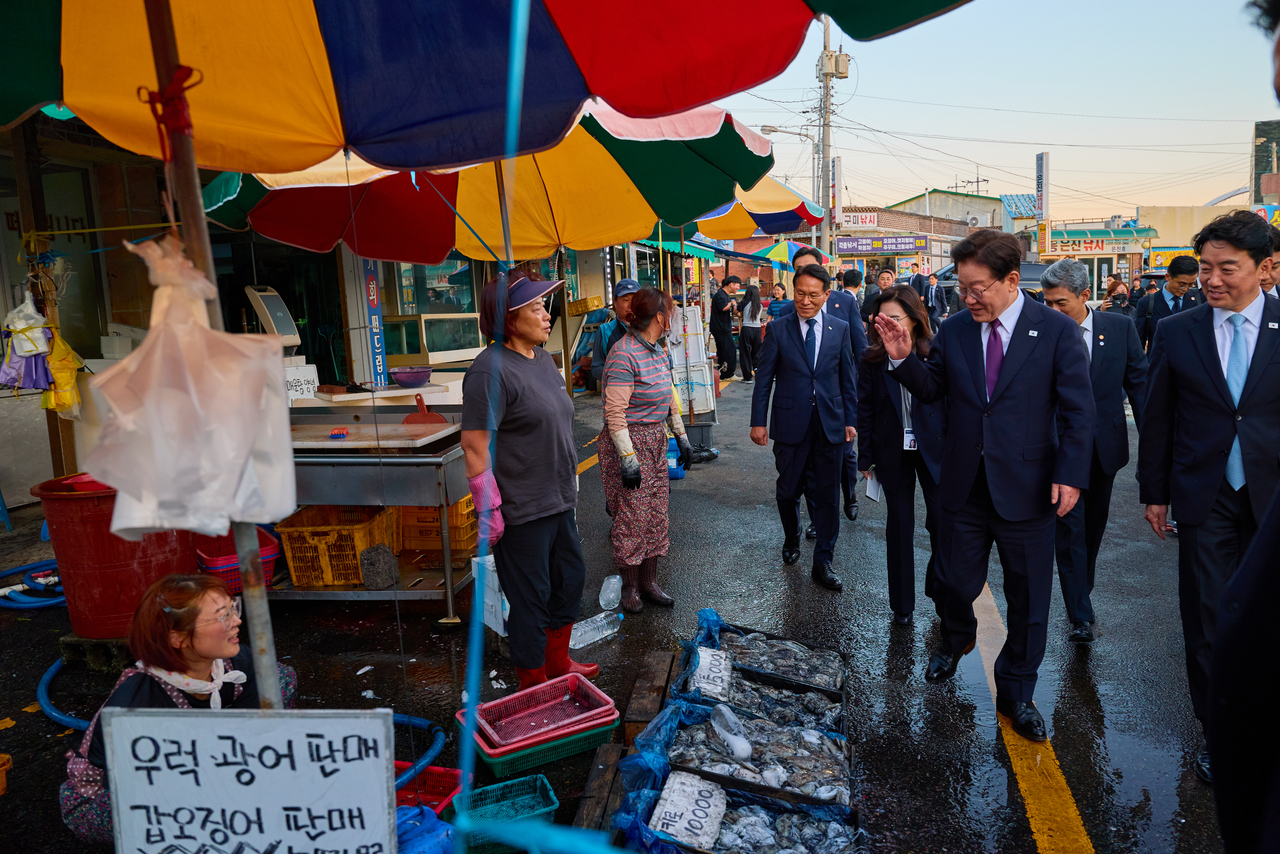
"I may be criticized for lacking dignity or authority, but I will continue visiting back alleys where ordinary people live, with minimal security, communicating through social media and engaging with people in their own language," Lee wrote on X late Saturday.
"That is because the president is the people's foremost public servant," he added.
Lee also reiterated his original motivation for entering politics, saying there would be little reason to endure the difficulties of political life unless the goal was to create a better society in which more people could lead happier lives.
His post came in response to a social media user who recalled remarks Lee made during his first presidential campaign and praised him for remaining true to that pledge after taking office.
Lee stressed that meeting people in underprivileged neighborhoods and witnessing their daily struggles firsthand serves as an important reminder of the responsibilities that come with the presidency.
"Communicating with ordinary people in narrow back alleys — those who have little power, few possessions and are marginalized, yet work harder than anyone else — and feeling their presence while reflecting on the immense responsibility of governing the country are moments I deeply cherish and cannot give up," he wrote.
In the post, Lee also mentioned late President Roh Moo-hyun, who faced criticism for his informal communication style.
"I am reminded of President Roh Moo-hyun, who was criticized and mocked for lacking dignity when he communicated with citizens through online comments," Lee wrote.
He added that Roh had reportedly refrained even from visiting traditional markets out of concern that advance security inspections and presidential protection arrangements would inconvenience ordinary people.
Lee concluded by emphasizing that political power should be exercised in service of the less privileged rather than the powerful.
"Politics and power must reach down to those at the bottom," he wrote. "Ordinary people who lack power and wealth are more precious than influential figures in high positions, and they deserve greater attention and support."
cheesuk@heraldcorp.com