Study shows gender, age, academic and financial backgrounds are relevant factors
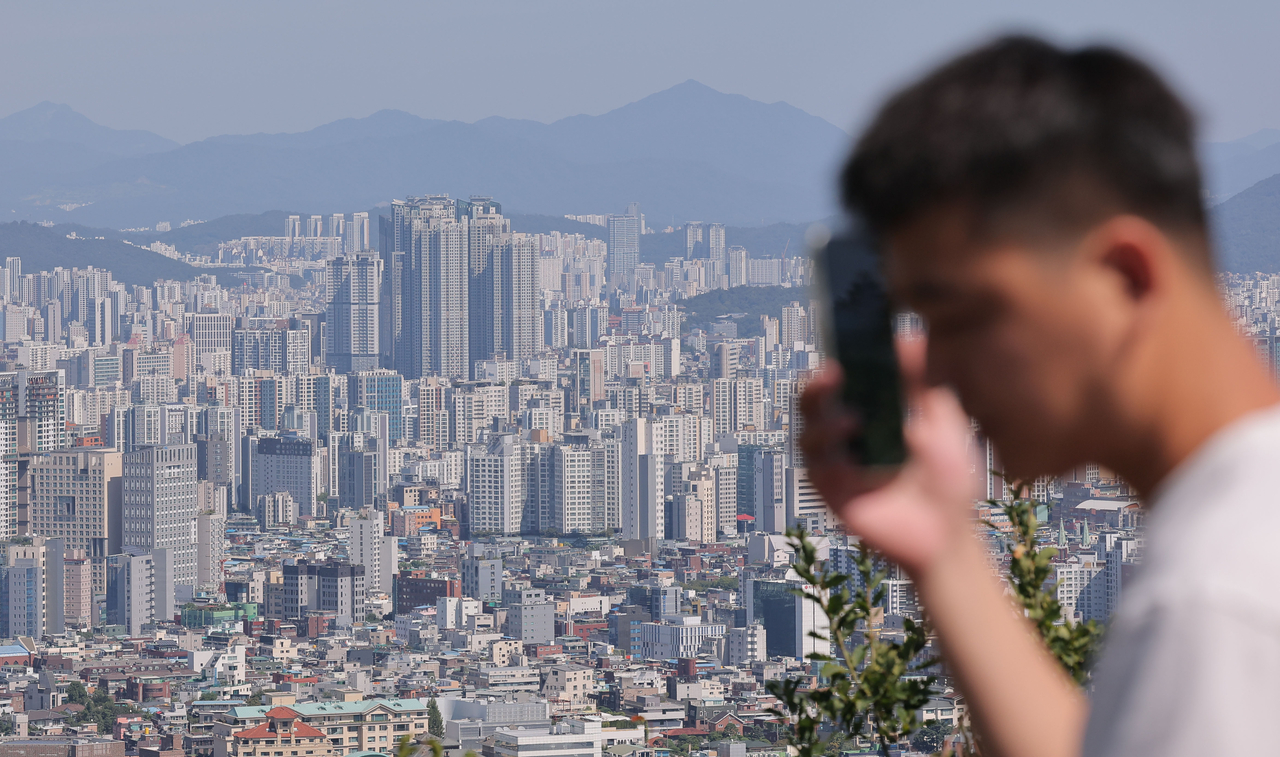
South Koreans who are young, have low income, come from a relatively lower level of educational attainment, or live outside the greater Seoul area tend to view Korean society as unfair, a study showed Monday.
The percentage of those who feel society is unfair has consistently increased in the past decade, according to a study published by the state-funded Korea Institute of Public Administration. This indicates that the general perception of Korean society being fair has decreased, according to the institute.
The study is based on an annual survey conducted by the KIPA between 2013 and 2024. Researchers analyzed the replies to similar questions in each year, focusing on those related to fairness in distribution of resources, operation of the social system, and treatment of an individual based on factors like gender and employment status.
The survey defines young people as those in their 20s and 30s.
Results showed that 32.5 percent of respondents view the society as moderately unfair, while 37.9 percent view it as moderately fair. Another 9.6 had strong feelings about society’s unfairness, while 1.7 percent had extreme feelings about it. But 1.9 percent had extreme feelings about the society being fair..
Men were more likely to have strong or extreme feelings about the society being unfair, compared to women.
Both middle-aged and elderly men and women were less likely than younger people to have such strong or extreme feelings about the unfairness of the society.
Where respondents lived was also an important factor, as those living in the capital region were relatively less likely to see the society as being unfair. The same trend was seen among people without a spouse, those without college degrees, and those with low income.
"(The trend) indicates that the crisis over the fairness of Korean society is not merely an emotional overreaction of a certain generation, but a structural division based on the reality of disparities in opportunity, distribution of resources, and treatment depending on one's social and economic status," the study said.
Whether the respondent had a job or not had little impact on their response.
Researchers pointed out that most respondents either have "reserved skepticism about" or "conditional acceptance of" society's fairness. This indicates that the majority of citizens believe that the society is neither completely fair nor unfair.
minsikyoon@heraldcorp.com