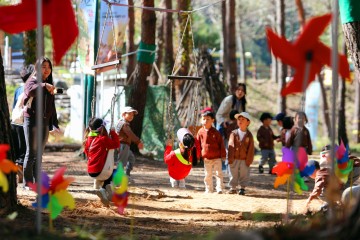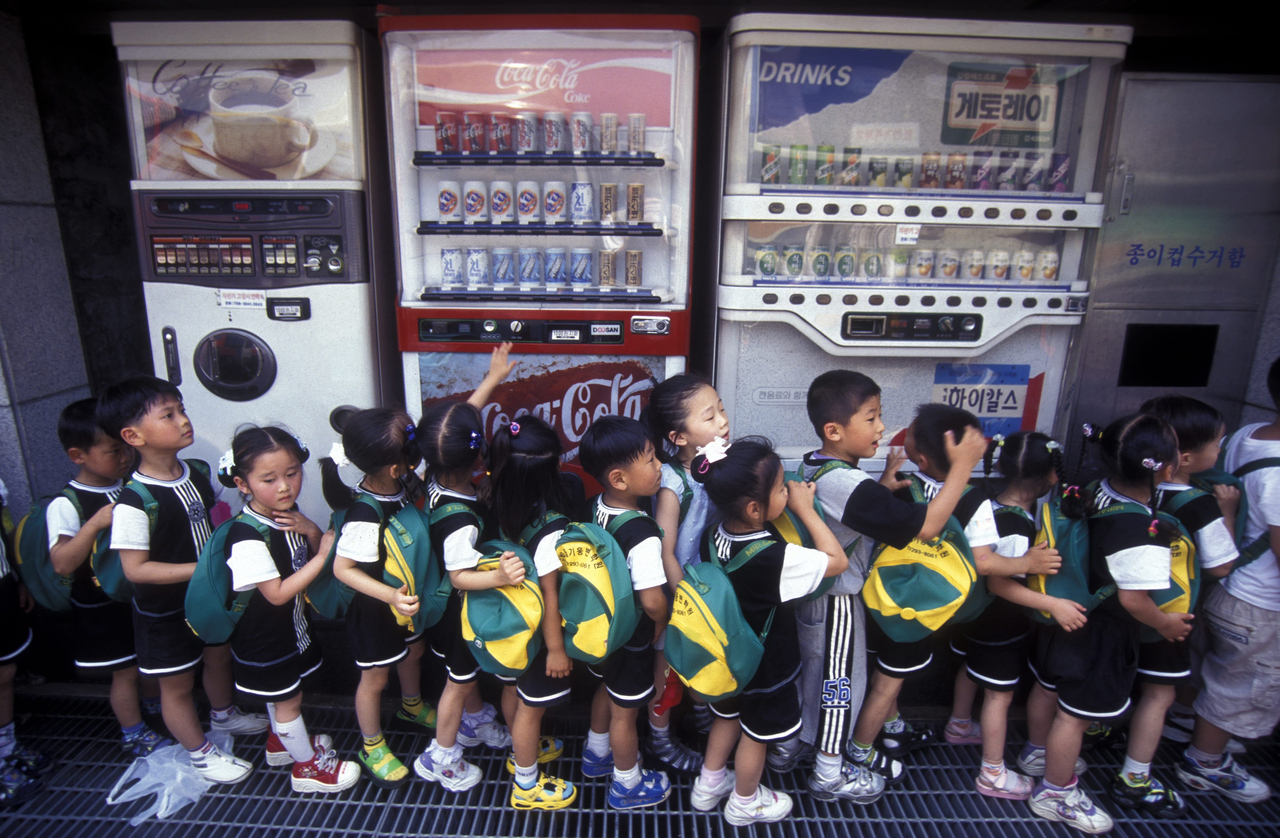
Foreign-national children are largely excluded from South Korea's national childcare subsidies.
This leaves immigrant families to depend on a patchwork of local programs even as the country seeks to encourage foreign residents to settle long term.
The Korea Women’s Development Institute has called on the central government to establish a nationwide childcare support system for immigrant families, citing wide regional disparities and the long-term social costs of leaving children without adequate support.
Its analysis, published earlier this month and based on in-depth interviews with 30 immigrant families living in Korea, found that childcare eligibility is largely determined by nationality.
“Immigrant-background children and adolescents who are excluded from childcare and education are more likely to face difficulties as they move through school and into adulthood,” said Choi Yun-jeong, the researcher who led the study. “The costs of those difficulties could ultimately be borne by our society.”
Under the Education Ministry’s 2026 childcare guidelines, children without Korean nationality are generally ineligible for national childcare subsidies. Exceptions include recognized refugees and children of Afghan special contributors.
Subsidies can reach up to 1.28 million won ($940) per month, depending on the child’s age. Korea also provides parental and homecare allowances for children cared for outside daycare centers.
Some local governments offer their own childcare subsidies to foreign-national children, but eligibility requirements and payment amounts vary widely by region.
The uneven system can place a particularly heavy burden on immigrant parents working long hours or in physically demanding jobs. Their children may also need additional educational and language support as they adjust to life in Korea.
Unlike many Korean families, immigrant households often have no relatives nearby to help care for their children, the institute said.
“Immigrant families facing financial difficulties sometimes delay sending their children to daycare centers to save money, or send them to live with grandparents in their home countries,” Choi said.
Most of the families interviewed reported financial difficulties, she added. The resulting instability can affect children’s education, their relationships with their parents and ultimately the family as a whole.
The growing number of children with foreign-national parents has added urgency to calls for a nationwide system.
The number of children whose parents are both foreign nationals nearly doubled from 24,000 in 2020 to 47,000 in 2024. Policymakers should recognize that many of them are likely to remain in Korea into adulthood, Choi said.
“Immigrant families are already members of Korean society who work, study and raise their children here,” she said. “If Korean society expects these families to settle and integrate over the long term, it must first create conditions that allow them to live here with their children.”
forestjs@heraldcorp.com