The world’s fourth-largest DRAM supplier eyes NAND, another market led by Samsung and SK hynix
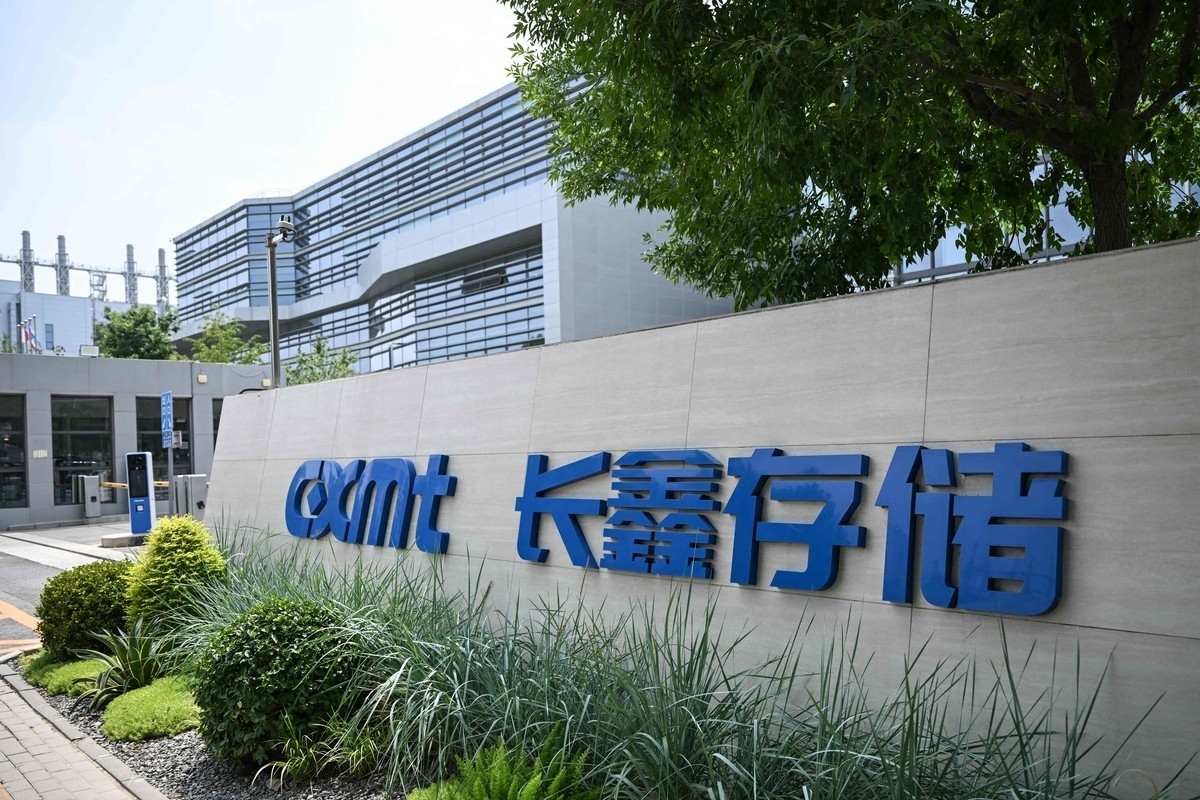
China’s ChangXin Memory Technologies has begun mass production of its fifth-generation DRAM platform, strengthening its position in a market dominated by Samsung Electronics, SK hynix and Micron, while separately preparing a research line for a possible move into NAND flash.
CXMT said Sunday that its G5 platform had entered mass production, along with two 24-gigabit LPDDR5X products for smartphones and other portable devices. DRAM is the working memory processors use to handle data in real time, making it a core component in PCs, smartphones and servers.
The company said the new process could produce at least 50 percent more gross dies per wafer than its previous-generation platform on an 8-gigabit-equivalent basis. Gross die count refers to the number of potential chips produced from a wafer before defective units are screened out, not a 50 percent improvement in manufacturing yield.
The launch comes as CXMT has already risen to fourth place in the global DRAM market. The company accounted for 9.5 percent of industry revenue in the second quarter, according to TrendForce, behind Samsung at 39.4 percent, SK hynix at 24.9 percent and Micron at 23.3 percent.
CXMT also said it reduced the active-area half-pitch in its DRAM array to 11.95 nanometers through quadruple patterning. The figure measures a specific feature inside the memory array and is not directly comparable with the process-node labels used by rival chipmakers.
TechInsights Vice President Choi Jung-dong, a memory-chip analyst at the semiconductor research firm, said at an industry webinar in August that CXMT still trailed the leading DRAM makers despite its recent advances. “CXMT is about two generations behind the industry leaders, but it is steadily advancing its HBM roadmap toward higher-performance memory solutions,” he said.
As Samsung, SK hynix and Micron prioritize HBM, the high-speed DRAM used with AI processors, and server memory, supply growth in some conventional products has tightened, giving smaller suppliers more room to expand.
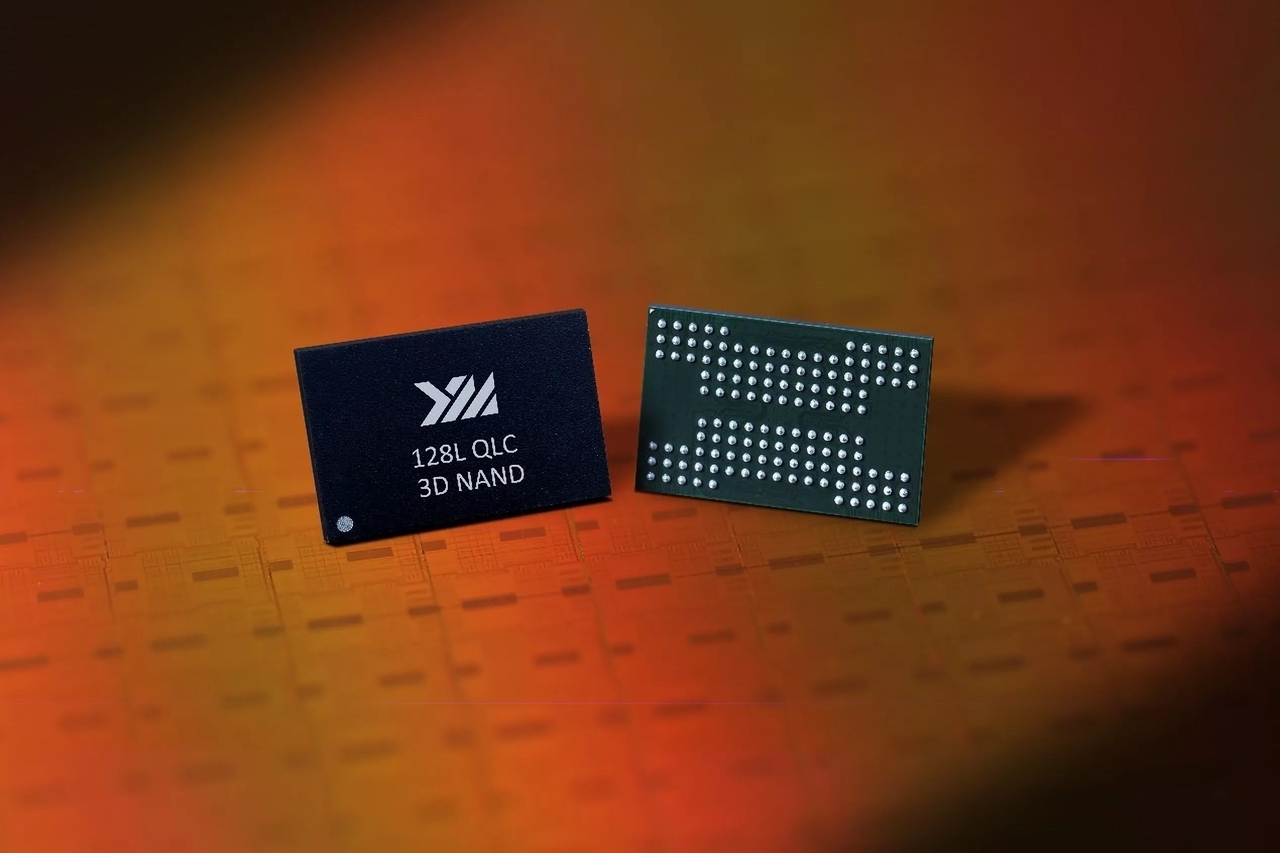
CXMT is preparing to enter a second major memory segment. Reuters reported Friday that the company plans to establish a NAND research and development production line at a new plant in Beijing.
Unlike DRAM, NAND retains data even when power is switched off and is used for storage in products such as smartphones and solid-state drives. CXMT has focused on DRAM, while China’s NAND industry has been led by Yangtze Memory Technologies.
The NAND project remains in an early stage. Reuters said CXMT has discussed the plans with prospective customers, but it is unclear when the line will begin operating or whether the company will proceed to commercial-scale production.
Samsung led the global NAND market with a 29.3 percent revenue share in the second quarter, while SK hynix Group, including Solidigm, ranked second with 18.2 percent, according to TrendForce. Demand has been particularly strong for enterprise SSDs, which use NAND to store large volumes of data for servers.
“Chinese memory makers still have a clear cost disadvantage to their Korean rivals, but tight supply has given them more room to win orders and expand production,” an industry official said. “If the current upcycle lasts, competition from both Chinese and US suppliers, backed by heavy government support, will become harder for the Korean companies to ignore.”
mjh@heraldcorp.com