Large corporate labs regain access after 14 years, but strict rules leave applications short of available slots
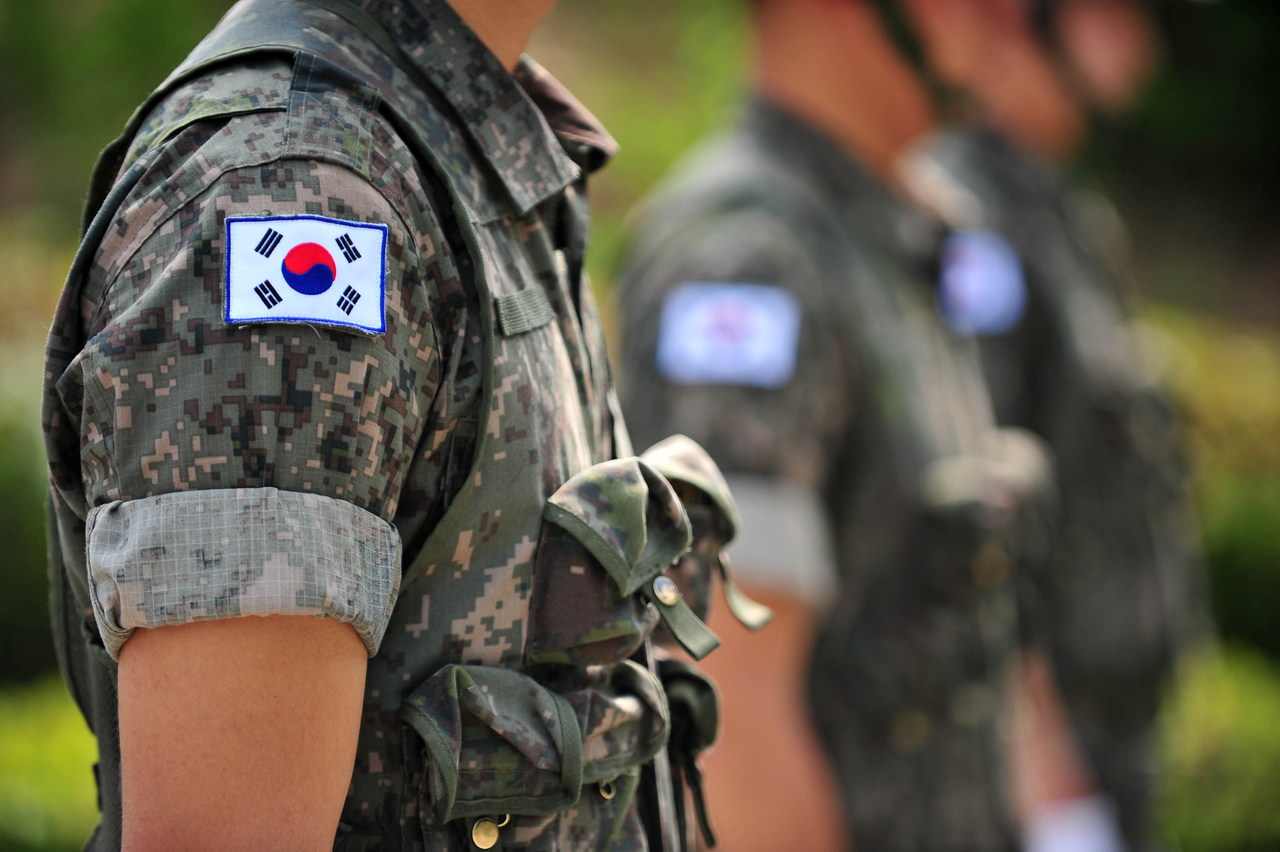
South Korea will allow AI researchers to fulfill their military obligations at large corporate laboratories from 2027, reopening a route closed for 14 years.
But strict eligibility rules have left companies seeking fewer places, raising questions about the initiative’s reach.
Four companies — LG Electronics, Samsung Electronics, Samsung Medison and HD Hyundai Robotics — have been recommended to participate, according to Ministry of Science and ICT data obtained by Rep. Hwang Jung-a of the ruling Democratic Party of Korea. They requested 81 placements across nine research institutes, short of the 120 reserved for large-company laboratories.
The alternative-service program allows eligible science and engineering researchers with master’s or doctoral degrees to meet their military obligations through three years of research. It has continued at universities, public institutes and smaller companies, but new placements at large businesses were halted in 2013 as the government prioritized helping small and medium-sized firms recruit R&D personnel.
The government is now restoring access for large-company laboratories in AI, seeking to strengthen the domestic industry and retain specialists who might otherwise move overseas.
“We aim to provide targeted support for developing researchers in nationally prioritized fields,” the Military Manpower Administration said in June.
The plan sets aside 240 positions for master’s-level AI researchers in 2027: 120 at large-company laboratories and 120 at government-funded and defense-industry research institutes. Allocations to large companies will run for three years through 2029.
The reopening would give eligible researchers a career option unavailable since 2013: joining a major corporate laboratory without putting their research on hold for conventional military service.
Strict rules limit participation
Initial applications, however, suggest the program may struggle to fill the large-company allocation. The nine recommended institutes requested just over two-thirds of the available placements, leaving 39 places unsubscribed at the recommendation stage.
To qualify, large companies must meet three conditions: spend at least 5 percent of revenue on R&D, operate in a field that does not directly compete with smaller businesses and demonstrate objectively verifiable research achievements, according to data submitted by the Military Manpower Administration.
Industry officials said some applicants failed to secure recommendations because they did not meet the requirements.
The four recommended companies are not yet guaranteed placements. The Military Manpower Administration must approve the participating institutes and determine their allocations, meaning the final number could fall below the 81 requested.
The three-year allocation window has also raised concerns about whether the initiative can provide lasting support for AI recruitment and research.
“With allocations to large companies returning after 14 years, young researchers will once again have a path to fulfill their military obligations at institutions with some of the country’s best research infrastructure,” Hwang said.
She called for broader access to ensure the reopening delivers meaningful benefits.
“The requirements are so rigid that they may limit the impact of the program. The government should open it more boldly as part of its efforts to secure talent and advance strategic technologies.”
herim@heraldcorp.com