Larger body, upgraded hybrid system, AI-powered infotainment headline fifth-generation SUV ahead of October launch.
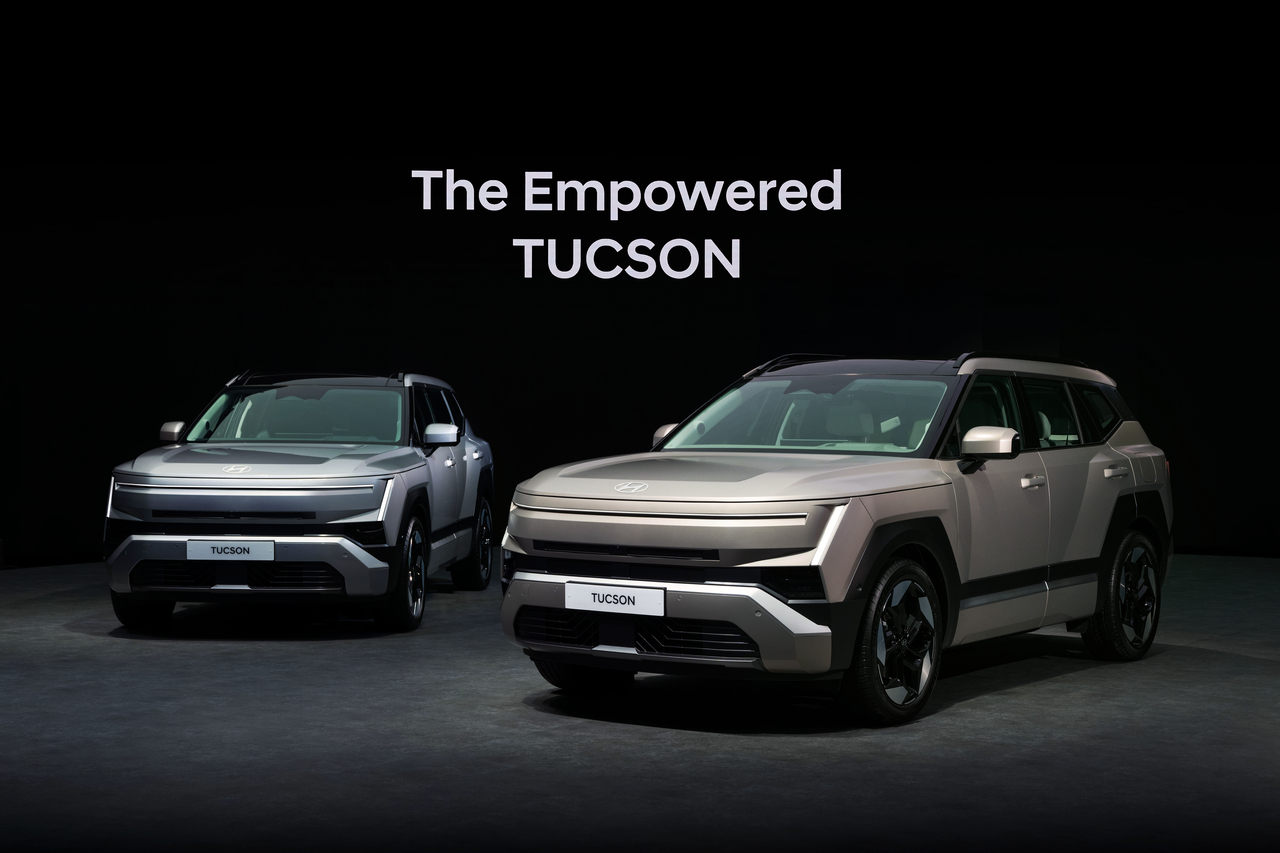
Hyundai Motor on Friday unveiled the fifth-generation Tucson, betting on the first full redesign of its best-selling compact SUV in six years to drive a sales rebound in the second half of the year.
The all-new Tucson, unveiled at a media event in Paju, Gyeonggi Province, features a larger and more angular body, an upgraded hybrid powertrain and Hyundai’s latest AI-powered infotainment system.
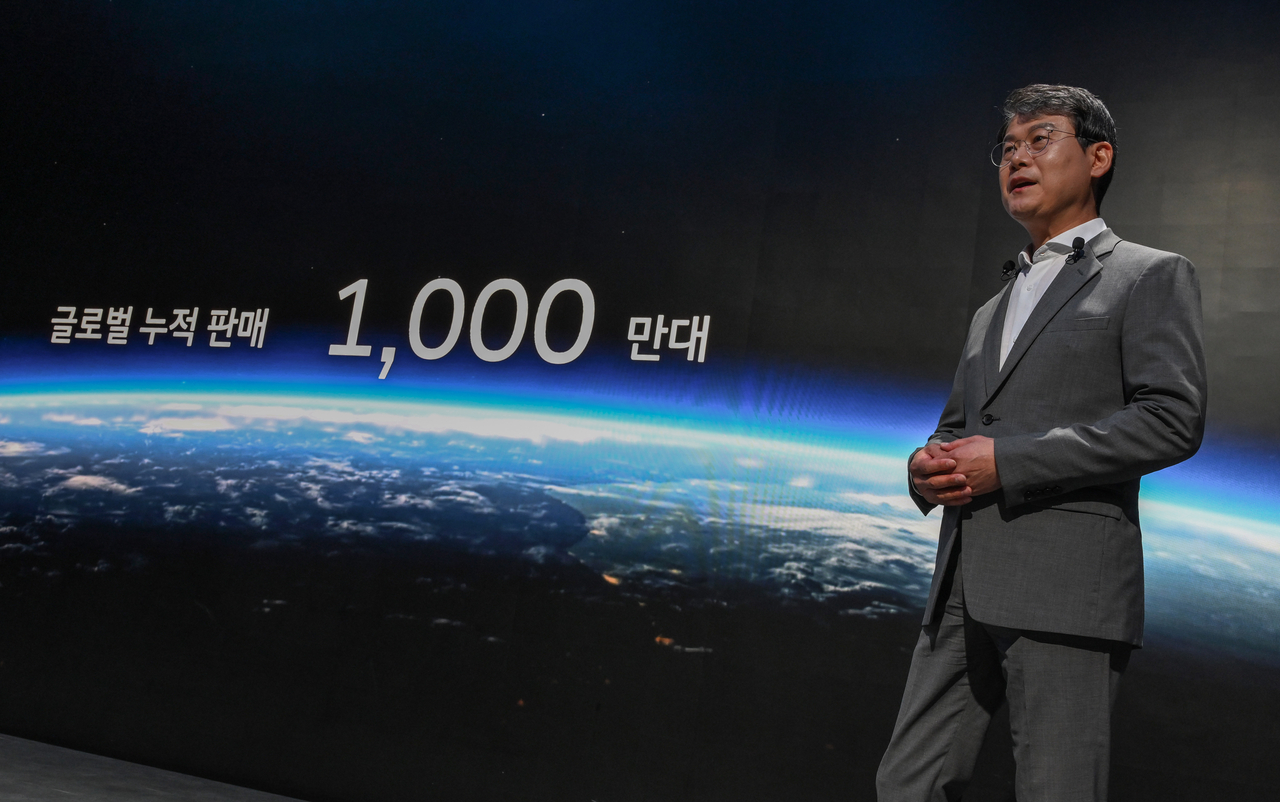
“We focused on instilling a sense of strength across the Tucson’s design, space and technology,” Yoon Hyo-jun, head of Hyundai Motor’s domestic business division, said at the unveiling. “Its bolder ‘Art of Steel’ design and larger, more spacious body reinforce its SUV character, while the next-generation hybrid system Pleos Connect and Gleo AI are designed to offer a smarter and more convenient mobility experience.”
First launched in 2004, the Tucson has surpassed 10 million units in cumulative global sales, establishing itself as one of Hyundai’s flagship SUV models globally.
The new Tucson will come with either a 1.6-liter turbocharged gasoline engine or a hybrid powertrain. Hyundai is set to reveal pricing in October when domestic sales are scheduled to begin.
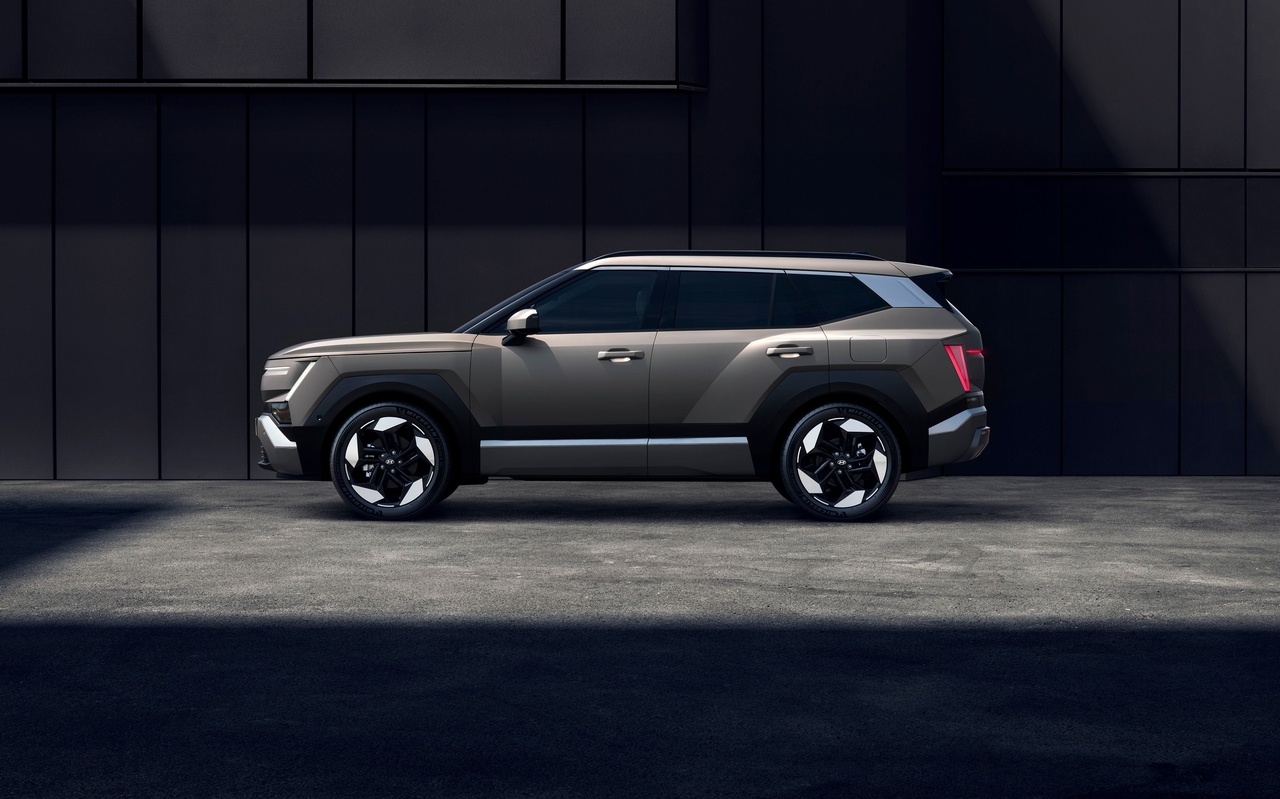
The redesigned Tucson trades the curvy lines of the previous generation for Hyundai’s new “Art of Steel” design language, characterized by sharper surfaces and pronounced fenders that give the SUV a more rugged, boxy appearance.
The new model has grown across all major dimensions. Its overall length is 60 millimeters longer than the outgoing Tucson, while its width has increased by 40 millimeters and its wheelbase by 30 millimeters.
Rear-seat headroom has grown by 29 millimeters to 1,031 millimeters, and the rear doors now open wider to 83 degrees, making it easier to install child car seats or carry larger items.
“The first question we asked when developing the fifth-generation Tucson was simple: What do customers really want from an SUV?” said Seo Man-gyu, vice president and head of Hyundai Motor’s MLV Project 1, which oversees midsize and large vehicle development. “We focused on more space for families, greater everyday convenience and a comfortable, dependable driving experience.”
Hyundai will also offer an XRT trim aimed at customers seeking a more off-road-inspired look, featuring a dedicated front grille, wheel-arch cladding, skid plates and exclusive wheels.
Under the hood, the gasoline model uses an upgraded 1.6-liter turbocharged engine producing 193 metric horsepower — up 13 metric horsepower from the predecessor — paired with an eight-speed automatic transmission.
The hybrid model is equipped with Hyundai Motor Group’s next-generation hybrid system, delivering a combined 245 metric horsepower, while achieving fuel economy of 17.4 kilometers per liter.
Technology stands out as a major focus of the redesign, with the Tucson becoming Hyundai’s first SUV equipped with Pleos Connect, the company’s next-generation infotainment system.
The cabin features either a 17-inch or 12.9-inch 16:9 display, while Hyundai retained physical buttons for key functions to make controls more intuitive.
At its core is Gleo AI, a generative AI assistant built on a large language model that understands conversational requests, searches for information and recommends travel plans. Customers will also be able to access an app marketplace offering third-party services such as video streaming, music and games.
On the safety front, the Tucson comes equipped with pedal misapplication assistance, forward parking collision avoidance and a backup power system that ensures the doors can still be unlocked after a crash, even if the vehicle’s main electrical system is interrupted.
sahn@heraldcorp.com