As Haebangchon evolves, Block Party offers a glimpse of the creative community still at its heart
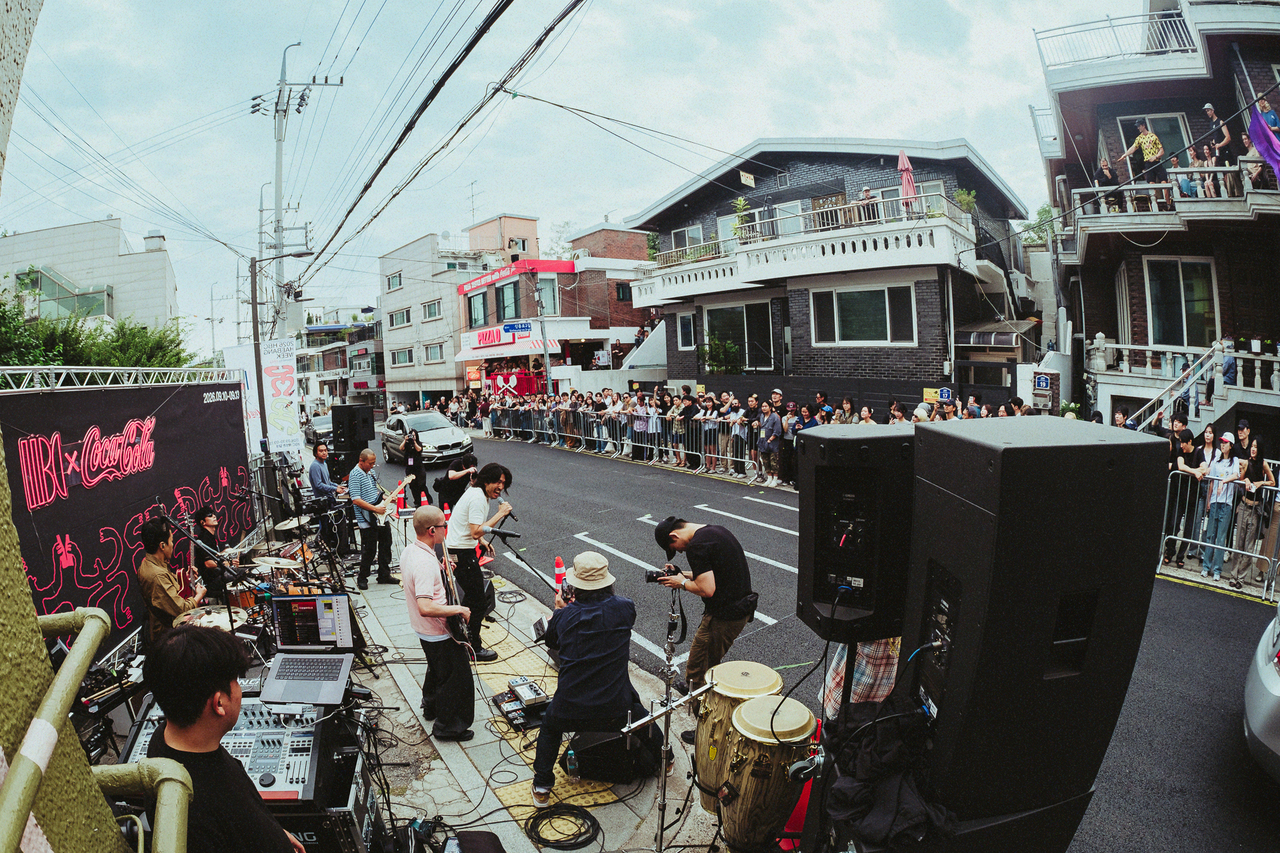
Last weekend, Haebangchon's bars, clubs and performance spaces played host to more than 100 live acts, ranging from punk bands and DJs to drag performers, wrestlers, magicians and swing dancers.
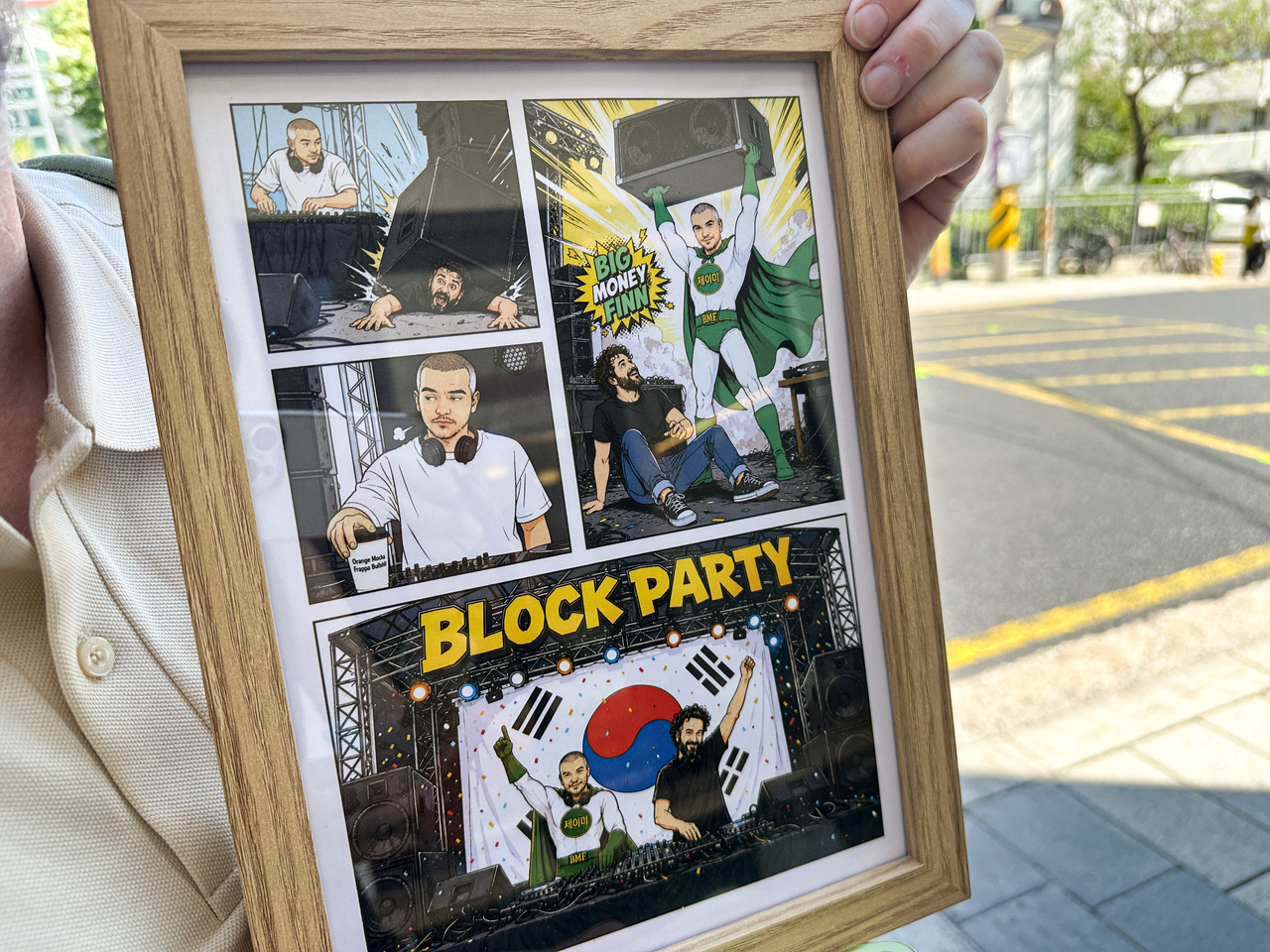
More than 1,000 people bought tickets to the fifth Block Party, held Sept. 11-13, making it the annual event's biggest edition yet, according to founder and main organizer Jamie Finn.
The festival is growing. But so is the attention surrounding the neighborhood it calls home.
"It's no secret to say that Haebangchon is changing," Finn told The Korea Herald. "There's a lot of gentrification at the moment, and that can be good and bad. It can help in some ways, but in other ways it can cause the loss of a certain identity."
Haebangchon, at the foot of Namsan in central Seoul, has long been shaped by change. In recent years, new restaurants, cafes and bars have increasingly drawn visitors to the neighborhood, while the once-struggling Shinheung Market has undergone years of regeneration to emerge as a popular destination.
For Finn, the answer is not to keep Haebangchon frozen in the past. Instead, he sees Block Party as a way to make sure the creative communities already established in the neighborhood remain part of its evolving identity.
"I think when someone sees something like Block Party, which channel the idea of what Haebangchon was and what some people still want it to be, I think it does make people rally behind it and say, 'This is a great idea. Let's keep that spirit alive,'" he said.
Building a party, block by block
Block Party began almost by accident.
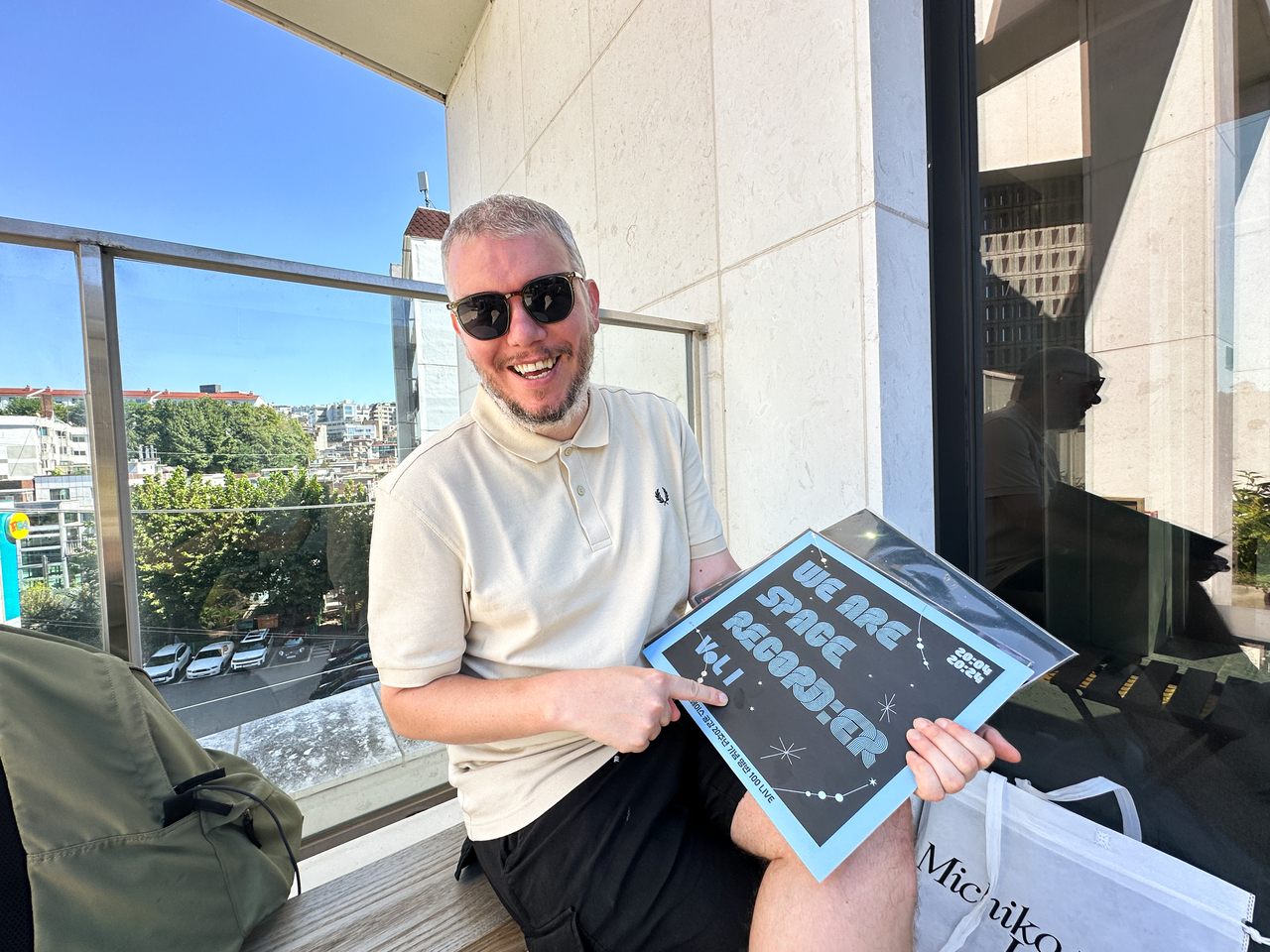
In 2022, Finn and his team were hosting concerts to mark new issues of their independent culture magazine, then called Platform Magazine and now known as Debaser. When the shows began selling out, they started thinking bigger.
"We thought, why don't we do two concerts at the same time on the same street?" Finn recalled.
Two became three, then four. Eventually, the idea grew into the first Block Party: a one-day festival spread across five venues in Haebangchon and neighboring Gyeongnidan.
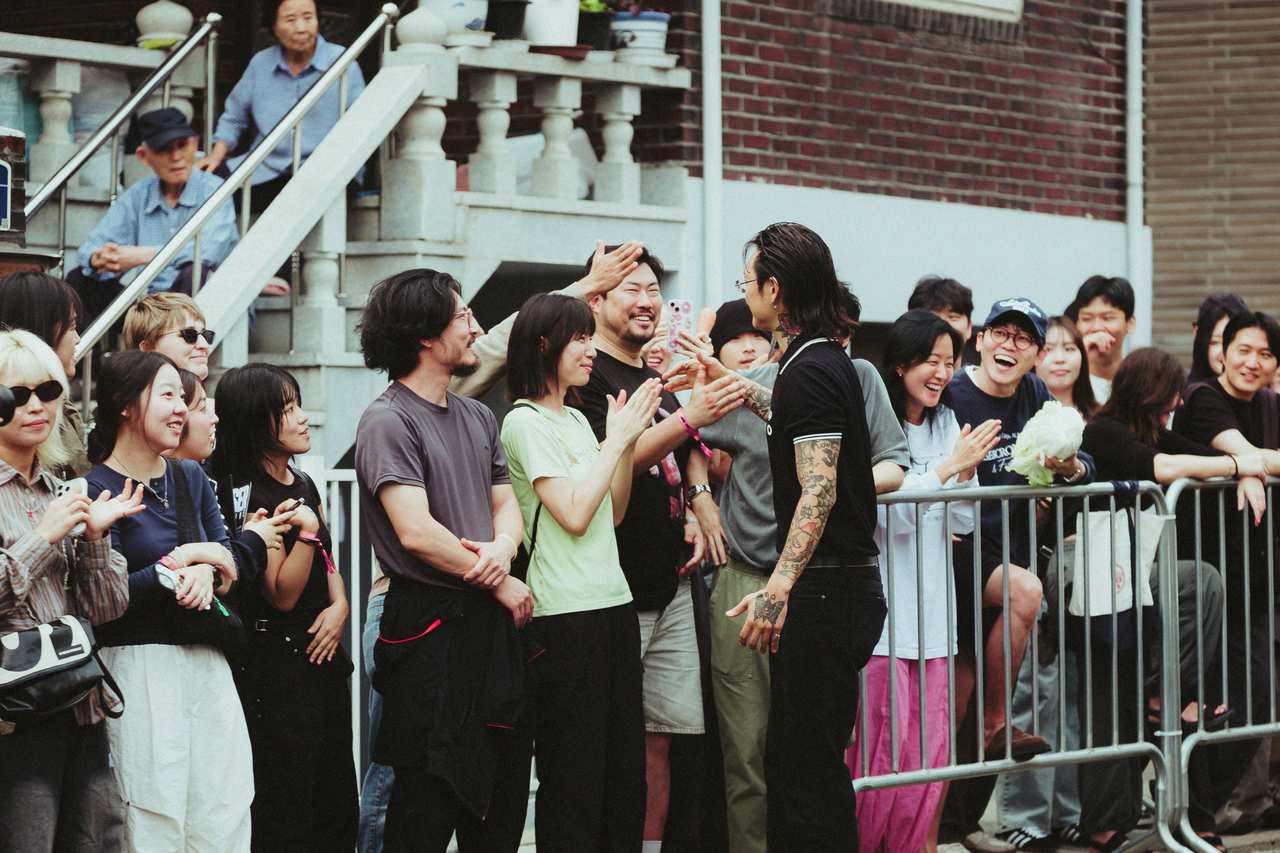
Five editions later, the festival is attracting attention from well beyond the neighborhood — including, this year, from BTS' RM.
Finn said RM came to the festival to see Sogumm, a member of alternative music collective Balming Tiger. He spotted RM outside the venue and approached him to thank him for coming.
"He told me I throw a great party," Finn recalled.
RM was "super nice," Finn said, and seemed genuinely curious about the festival, asking him questions about how it worked.
For Finn, the encounter reflected what Block Party is ultimately about: showing up for artists and supporting the community.
"At the end of the day, if you come to our festival and you show us support and you show us love, it means a lot to me, whoever you are," he said.
United by a shared love for HBC
For Finn, Block Party is not about creating something that exists for three days and disappears.
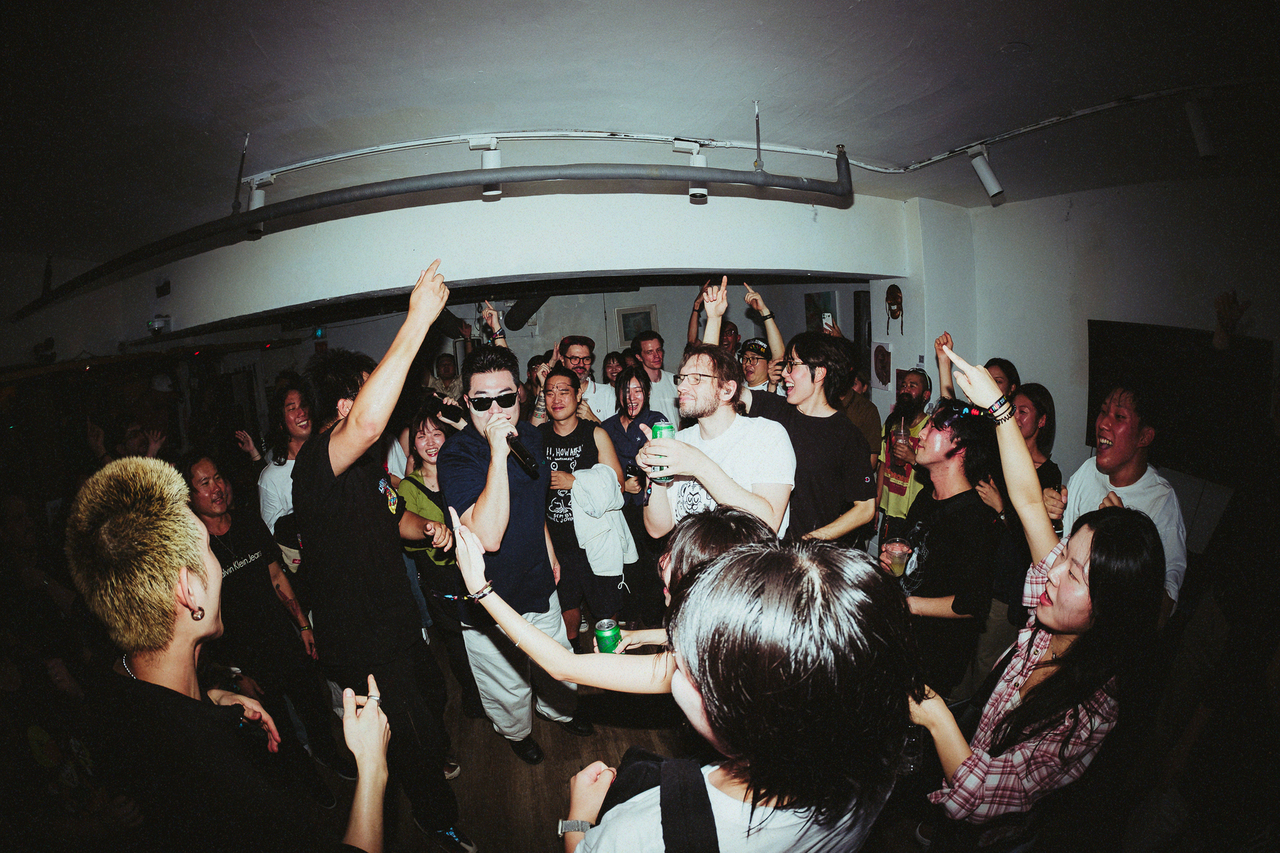
Many of the performers who fill its lineup are already part of Haebangchon's everyday creative life. Swing dancers meet every Sunday at Dialogue, one of the festival venues. Drag performances are held regularly in the neighborhood, while wrestlers return every month or two. Theater, live music and other performances continue throughout the year.
"A lot of those performers, they are here in the Haebangchon area every single week," Finn said, "We want us all to come together and show what Haebangchon can offer."
But Finn is also conscious that the spaces that sustain such communities cannot be taken for granted.
Small live music venues have also faced longstanding regulatory hurdles that have drawn renewed attention in recent months. In Busan, Ovantgarde was handed a two-month suspension after authorities said audience members were dancing during a performance, which is prohibited under the rules governing its general restaurant license.
Against that backdrop, Finn sees the support Block Party receives from Haebangchon's venues as particularly meaningful.
"Even if it's just for one weekend ... if we can keep that spirit of indie rock and the rebellious nature of punk and hip-hop, if we can bring that to Haebangchon for a few days and keep that going, I think that's great," he said.
"I think that's part of the reason why a lot of venues, they go that extra step and they go above and beyond to help us achieve that."
Beyond the block
For all its growth, Block Party itself remains a small operation. Finn organizes the festival with three others — Ethan Kim, Seok Jia and Kim Da-hyun, better known as Glass Girl — all while holding down full-time jobs. Much of the rest is made possible by participating venues and volunteers.
"We are quite good at creating the facade of being quite a professional festival," Finn said with a small laugh. "But the truth is we're just a bunch of friends trying to make a party for people to come to and have fun."
What has kept them doing it, he said, is the response from the people who come.
Some have told Finn they arrived in Korea knowing few people and little about its independent music scene, only to stumble across Block Party and find friends and communities they continued returning to.
"Since then they found a lot more friends, they found music scenes that they really like, and they found a way to feel more comfortable and more at home here," he said.
Stories like these offer a modest measure of the festival's success.
"Block Party is nothing without the people who come here and make it exciting."
tammy@heraldcorp.com