Some temperature records belong in history books. Others mark the beginning of a new reality. The 42.5 degrees Celsius recorded in Yangsan, South Gyeongsang Province, on Sunday was both: a national record since modern weather observations began in 1904 and a warning that South Korea’s old assumptions about summer are outdated.
어떤 온도는 역사책에 남을 기록이다. 또 어떤 온도는 새로운 시대의 시작을 알린다. 경상남도 양산에서 기록된 42.5도의 더위는 모두에 해당된다. 1904년 한국의 근대 기후관측이 시작된 이래 최고치이자 여름에 대한 한국의 통념이 더이상 적용되지 않을 것이라는 경고였다.
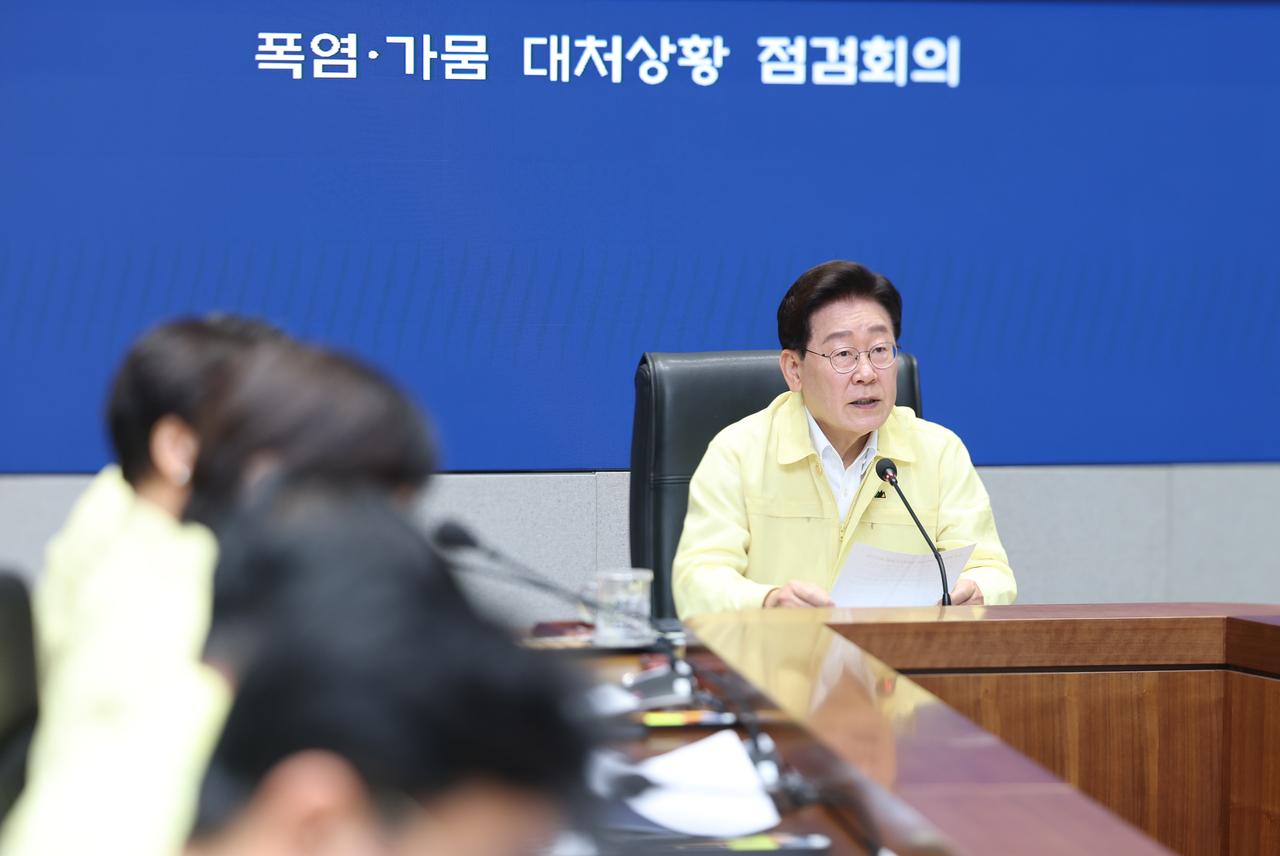
On Tuesday, the Korea Meteorological Administration expanded its highest-level heat warning to all of Seoul, while President Lee Jae Myung instructed officials to treat the prolonged heat wave as a national disaster.
화요일 한국 기상청은 최고수준의 폭염특보를 서울 전역으로 확대했다. 이재명 대통령은 장기화되는 폭염을 국가 재난 사태로 볼 것을 지시했다.
The challenge now is preparing for a climate where such events regularly recur.
이제 과제는 이러한 경우가 정기적으로 반복되는 기후에 대비하는 것이다.
The temptation is to view such events as a sequence of broken records. That misses the broader pattern. Yangsan exceeded 40 C for five consecutive days, showing how extreme heat now builds over time rather than arriving as a brief spike.
이를 일련의 단편적인 기록들로 치부하고자 하는 충동도 있을 것이다. 그러나 그것은 더 큰 흐름을 놓치는 것이다. 양산은 5일 연속 40도를 넘었고 폭염이 이제는 일시적으로 치솟는 형태가 아니라 시간이 흐름에 따라 더 기세를 더한다는 것을 보여주었다.
Similar developments are unfolding elsewhere. Southern Europe has battled destructive wildfires, while Central Europe has suffered drought severe enough to threaten critical infrastructure.
비슷한 양상이 다른 곳에서도 나타나고 있다. 남유럽은 막대한 피해를 불러온 산불과 씨름했고 중유럽은 핵심 인프라를 위협할 만큼 심각한 가뭄으로 어려움을 겪었다.
These episodes are not separate weather disturbances but signs of a wider climate shift. Rising ocean temperatures and changing weather patterns are altering the conditions that societies have long considered normal.
이러한 현상들은 개별적인 기상 이변이 아니라 좀더 광범위한 기후 변화의 징조다. 해수면 온도 상승과 변화하는 기후 패턴은 인류가 오랫동안 당연하게 받아들였던 조건들을 변화시키고 있다.
That shift reaches beyond public health. Modern economies rely on stable electricity and water supplies, yet much infrastructure was built around historical climate conditions.
그 변화는 공공 보건에 국한되지 않는다. 현대의 경제는 안정적인 전기와 물 공급에 의존하고 있으나 대부분의 인프라는 과거의 기후 조건에 맞추어 구축되었다.
Hungary recently showed how quickly those assumptions can fail when drought lowered water levels in the Danube, forcing cuts at the Paks nuclear power plant, which supplies roughly 40 percent of the country's electricity.
헝가리는 최근 그러한 가정들이 얼마나 빠르게 무너질 수 있는지를 보여주었다. 가뭄으로 다뉴브강의 수위가 낮아져 헝가리 전력의 약 40퍼센트를 공급하는 팍스 원전의 가동률을 낮춰야 했다.
Korea's coastal nuclear plants rely on seawater and face different conditions. Yet the broader lesson applies. Water shortages can disrupt industrial activity long before becoming visible crises for households.
한국의 해안가에 설치된 원전은 해수에 의존하기에 처한 상황은 다르다. 그러나 더 넓은 교훈은 적용할 수 있다. 물 부족은 일반 가정에서의 눈에 보이는 위기가 되기 훨씬 전부터 산업활동에 차질을 빚을 수 있다.
The implications are significant for Korea's industrial strategy. Semiconductor manufacturing, advanced industrial complexes and expanding cities all require reliable water and power supplies.
그 함의는 한국의 산업 전략에 매우 큰 의미를 갖는다. 반도체 제조, 첨단 산업 단지 그리고 확장되는 도시들은 모두 안정적인 용수와 전력 공급을 필요로 한다.
Current electricity reserves remain above the margin generally considered stable during peak demand. But securing a stable energy system requires more than spare generation capacity. Policymakers must consider drought, extreme heat and resource constraints.
현재 전력 예비력은 전력 최대 수요 시기에도 통상 안전권으로 분류되는 수준 이상을 유지하고 있다. 그러나 안정적인 에너지 시스템을 확보에 필요한 것은 예비 발전 용량에 그치지 않는다. 정책당국은 가뭄, 폭염, 자원 부족 또한 고려해야 한다.
Extreme heat also reveals social divisions that ordinary weather often hides. Government data showed nearly 1,800 heat-related emergency patients and more than a dozen deaths by early August. Older adults accounted for nearly one-third of victims, while farmers, construction workers and other outdoor laborers remained heavily affected.
폭염은 또한 일상적인 날씨에서는 종종 드러나지 않는 사회적 분열을 드러낸다. 정부 조사에 따르면 8월 초순까지 온열 질환 관련 응급환자는 1천8백명에 육박했고 사망자는 십여명에 달했다. 피해자의 3분의 1 이상이 고령자였고 농업, 건설업 근로자 및 여타 야외 작업 노동자가 여전히 가장 크게 영향을 받았다.
For many low-income households, air conditioners sit unused because electricity costs are burdensome. Advisories telling people to stay indoors and drink water are necessary, but they assume choices that many vulnerable citizens do not have.
다수의 저소득 가정은 전기세 부담으로 에어콘을 사용하지 않는다. 실내에 머물고 수분을 섭취하라는 조언은 필요하나 많은 취약계층에 있어서는 선택지가 될 수 없는 것을 상정하고 있다.
A stronger response requires direct intervention rather than relying mainly on public warnings. Local governments should conduct regular checks on elderly residents living alone, expand energy assistance for households facing hardship and ensure cooling shelters are accessible where needed.
더 강력한 대응을 위해서는 경보 발령에 주로 의존하는 것보다는 직접적인 개입이 필요하다. 지방 정부는 독거 노인의 안부를 정기적으로 확인하고 어려운 형편의 가정에 에너지 지원을 확대하며 필요한 경우 무더위쉼터 접근을 확보해야 한다.
Labor protections also require greater enforcement. Outdoor work should be suspended under clearly defined dangerous conditions, ensuring that workers' rights exist beyond official guidelines.
노동자 보호 역시 좀더 강력하게 시행되어야 한다. 명확히 정의된 위험조건에 따라 야외 작업을 일시중지시켜 노동자의 권리가 공식지침에 국한되지 않고 존재함을 분명히 해야 한다.
Korea's heat warning system also needs adjustment. The newly introduced Heat Wave Emergency Warning was designed for exceptionally rare circumstances, yet temperatures quickly surpassed its threshold. As climate conditions shift, fixed temperature triggers may prove insufficient.
한국의 폭염경보 시스템 또한 재정비되어야 한다. 새로 도입된 폭염중대경보는 매우 드문 상황을 위해 도입되었으나 기온은 빠르게 그 임계점을 지났다. 기후 조건들이 변화함에 따라 고정된 기온 경보로는 한계가 있을 수 있다.
Several European countries have moved toward broader response systems combining weather forecasts with indicators such as hospital capacity, water supplies and essential infrastructure. These approaches allow governments to coordinate action before separate problems become a wider emergency.
몇몇 유럽 국가들은 기상예보를 병원 수용능력, 물 공급, 핵심 인프라 등의 지수와 결합하는 좀더 광범위한 대응체계로 전환했다. 이러한 방식을 통해 정부는 각각의 문제가 더 큰 긴급상황으로 번지기 전에 조직적으로 대응할 수 있다.
The Yangsan record will eventually fade into a list of past extremes. The more important question is what it leaves behind. If Korea responds only with stronger alerts each summer, it can manage symptoms of a changing climate. If it redesigns its institutions, infrastructure and social protections, the record can mark when the country began adapting to a hotter climate.
양산의 기록적인 더위는 머지않아 과거의 기상 이변 중 하나로 기억에서 멀어질 것이다. 더 중요한 질문은 그것이 무엇을 남기느냐다. 한국이 매해 여름 경고 수위만 높이는 수준의 대응을 한다면 기후 변화의 증상를 수습하는데 그칠 것이다. 제도, 인프라, 사회적 보호장치를 개편한다면 그 기록은 한국이 온난화된 기후에 적응하기 시작한 시점으로 남을 것이다.
reserve 비축(물)
division 분열
vulnerable 취약한
khnews@heraldcorp.com