SEJONG -- South Korea’s Ministry of Oceans and Fisheries has proposed an 82.6 trillion won ($59 billion) budget for 2027, up 10.8 percent from this year, with increased spending planned for fisheries, ports, marine technology and coastal communities.
The proposed increase would be the largest annual growth rate in the ministry’s budget since it was reestablished in 2013, the ministry said in a proposal pre-briefing Monday.
Under the proposal, 38.8 trillion won would go to fisheries and coastal communities, an increase of 11.5 percent from 2026. Spending on shipping and ports would rise 2.7 percent to 22 trillion won, while funding for marine environmental programs would increase 15.6 percent to 5 trillion won.
Research and development spending would rise 7.8 percent to 9.2 trillion won, including investments in autonomous shipping and marine biotechnology. Policy financing would more than double to 2.5 trillion won.
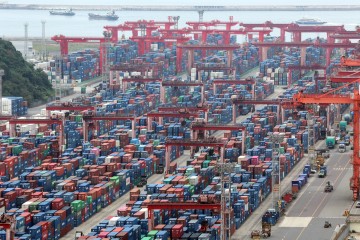
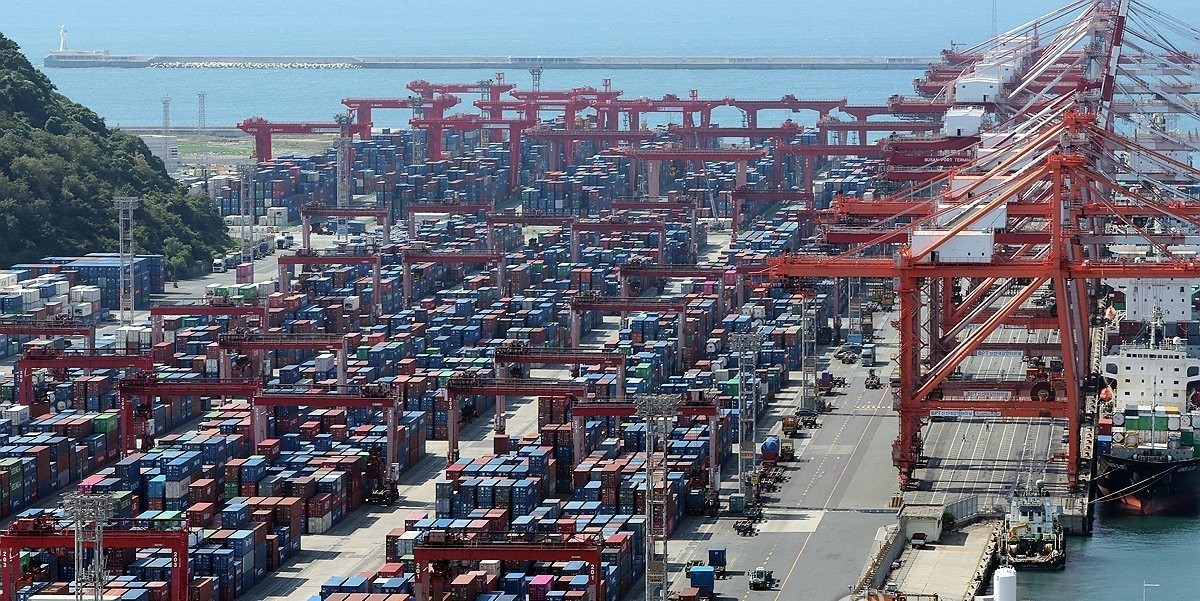
The ministry said a major focus of the budget would be developing a southern maritime economic zone and strengthening port and shipping infrastructure. Funding would support environmentally friendly shipbuilding, preparations for Arctic shipping routes and the introduction of artificial intelligence-based cargo-handling systems at ports.
Port development projects in Gangwon Province's Donghae as well as Saemangeum and Gunsan in North Jeolla Province are included in the spending plan.
The government also plans changes to fisheries management following the enactment of the Sustainable Coastal Fisheries Development Act earlier this year. The ministry said it would strengthen catch verification and expand the Total Allowable Catch system, which sets limits on catches of designated fish species.
Funding would also be directed toward replacing and modernizing coastal fishing vessels, expanding smart aquaculture facilities and supporting exports of high-value seafood products, including seaweed.
Environmental programs include increased efforts to combat illegal fishing and marine debris, including additional patrols and robotic systems designed to collect waste from the ocean.
The ministry also plans to increase investment in marine biotechnology, including facilities to produce biomaterials from algae, and expand projects aimed at storing carbon in coastal and marine ecosystems, commonly known as “blue carbon.”
Oceans and Fisheries Minister Hwang Jong-woo said the budget would focus on maritime and fisheries development while supporting broader economic growth.
The proposal is subject to review and approval by the National Assembly.
shinyb@heraldcorp.com