SEOGWIPO, Jeju Island -- University presidents urged the government Friday to provide more predictable, long-term funding for higher education, saying universities need stable financing to make major investments in areas such as artificial intelligence and aging campus infrastructure.
The call came as the government prepares to launch the Future Response Fund next year, which is expected to increase investment in higher and lifelong education.
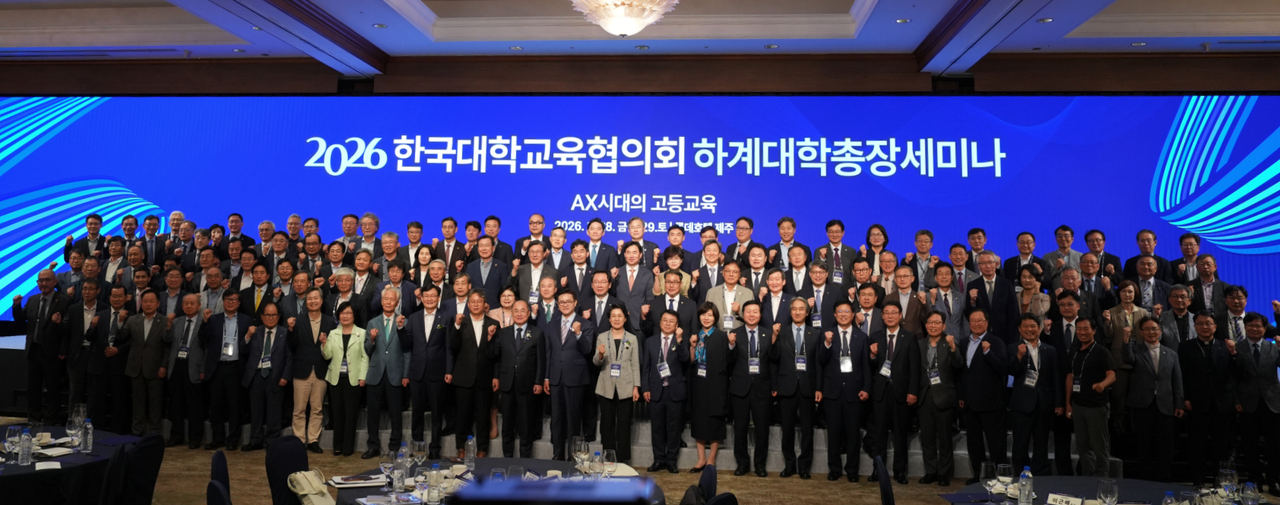
Some 140 presidents from the Korean Council for University Education's 197 member universities gathered in Seogwipo, Jeju Island, on Friday and Saturday for the council's summer seminar.
The government plans to create the fund as part of an overhaul of the local education finance system. Under the proposed structure, funding for elementary and secondary schools would be stabilized through a revised formula, while a separate education account would finance higher education and other areas.
Education Vice Minister Choi Eun-ok said investment in higher and lifelong education is expected to increase once the revised system takes effect in 2027, pending National Assembly approval in November.
University leaders said the bigger issue was not how much funding increases in 2027, but whether universities can count on government support continuing at predictable levels over several years.
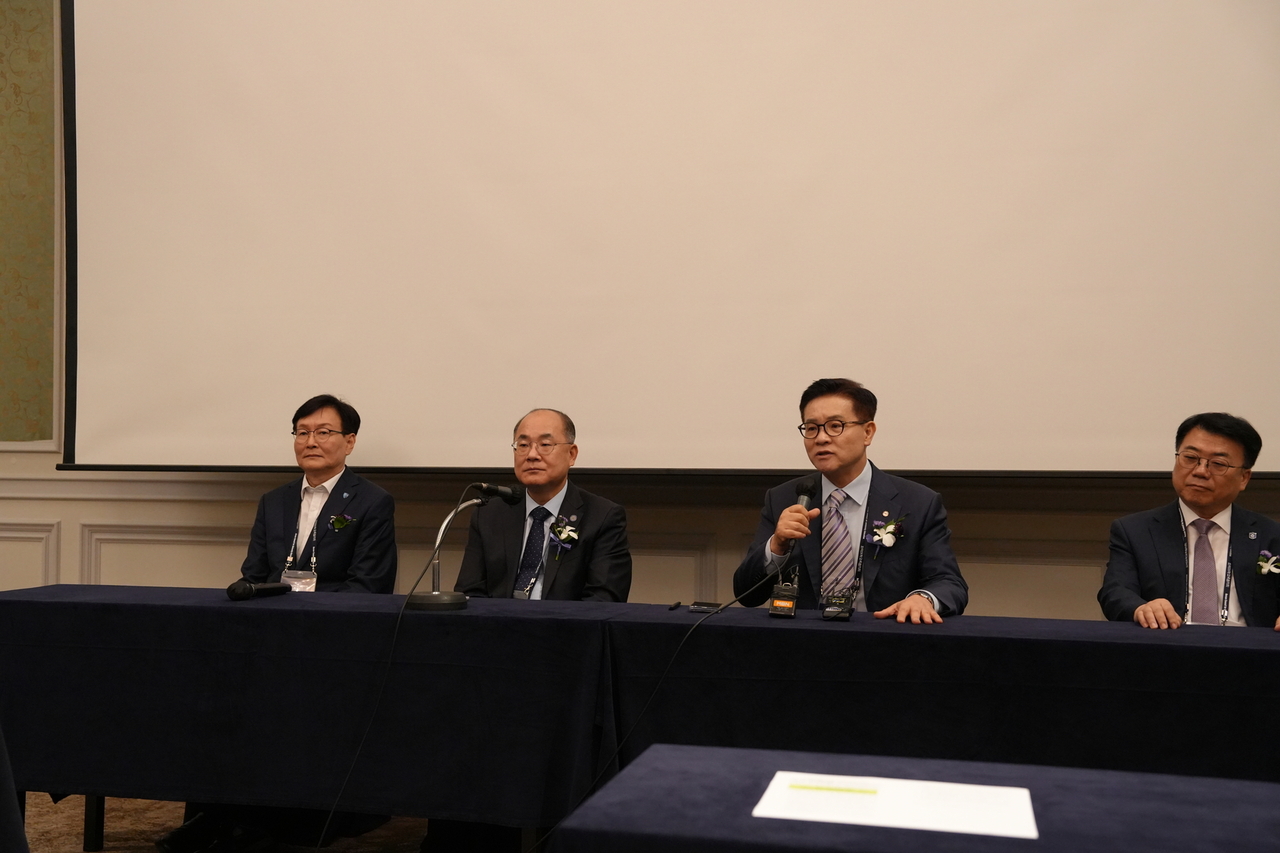
“The most important thing about a budget is predictability,” said Hanyang University President Lee Ki-jeong, who also heads the KCUE. “Even if we do not know how much funding higher education will receive next year, universities — both public and private — need to be able to anticipate what funding will be available going forward.”
Lee said predictable funding was necessary for universities to plan multiyear projects.
Much of the government's current support for universities is distributed through individual programs and competitive projects rather than fixed, long-term funding streams. The ministry is considering expanding block funding and institution-based research support lasting five or 10 years.
Choi, however, stressed that further increases would depend on whether universities can show results from the additional spending.
“How efficiently we invest this taxpayer-funded money and what results we produce will be a very important yardstick for continuing to expand the funding,” Choi said.
University presidents pointed to AI investment and aging campus infrastructure as areas requiring sustained funding.
Inje University President Jeon Min-hyon said proposals his university received for introducing AI systems generally involved investment of around 10 billion won ($7.2 million) over three years, an amount many universities would struggle to finance on their own.
Pusan National University President Choi Jae-weon said universities were also falling behind industry because of aging research equipment, while many campus buildings are now 40 to 50 years old and require substantial investment.
“Expanding higher education financing is more necessary now than at any other time,” Choi said.
seungku99@heraldcorp.com