Apartment-filled urban landscape puts birds of prey at risk of collisions, habitat changes and other dangers

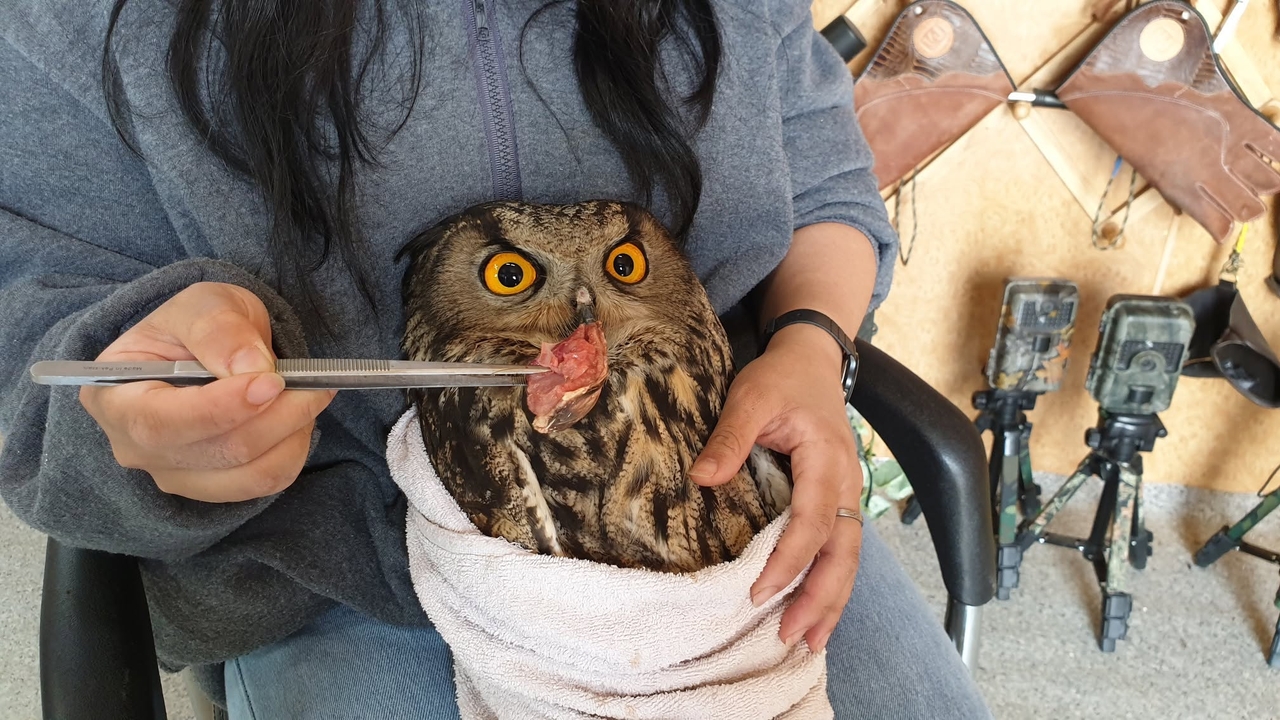
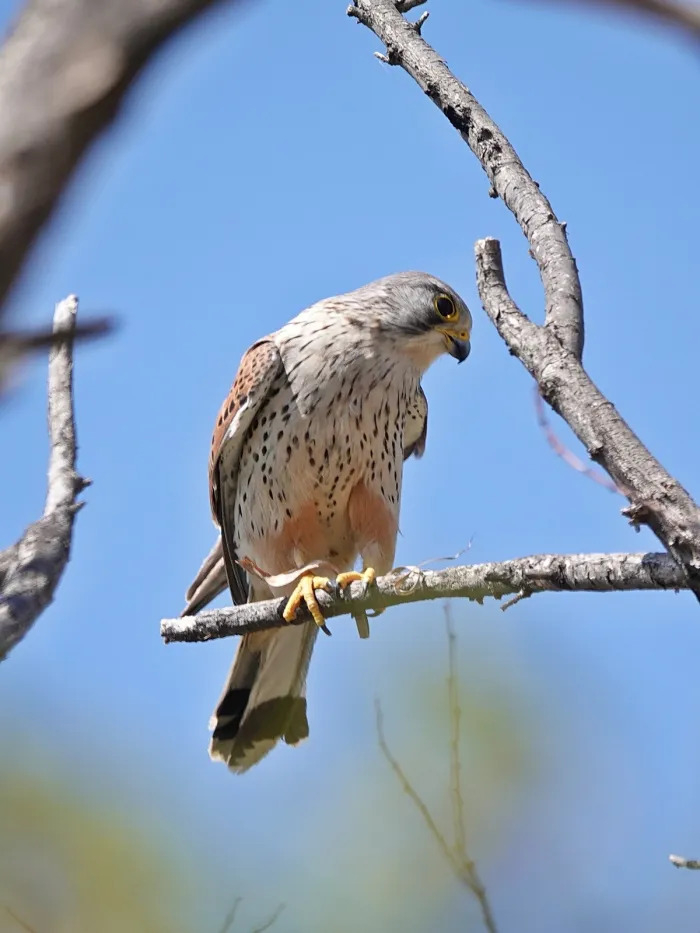
Jjorongi, a rescued kestrel who lives at the Hangang Wildlife Conservation Research Center in Hanam, Gyeonggi Province, flew onto a visitor’s hand for a piece of meat during a visit Sunday.
Just slightly larger than a good-sized fist, she has round, fluffy features and wide black eyes that make her look more cute than fierce.
Her sharp talons and hooked beak tell another story. After all, Jjorongi is a raptor.
But being a predator does not make her immune to city life.
Injured raptors regularly arrive at wildlife centers in Seoul and the surrounding region after colliding with glass, sound barriers, power lines and other structures built into the urban landscape.
While decades of ecological restoration have made the capital more hospitable to wildlife, including birds of prey, experts say the continued rescue of injured raptors shows how many hazards remain.
The stakes extend beyond the birds themselves. As top predators, raptors help regulate urban ecosystems, while their presence can also serve as a sign of ecosystem health.

A recovering habitat, a hazardous city
For birds of prey, the environment in Seoul has improved in many ways over the past several decades, according to experts and city officials.
Since 2006, Seoul has restored more natural riverbanks and expanded wetland ecological parks along the Han River. The number of species recorded in the area rose from 1,608 in 2007 to 2,062 in 2022.
“Neither the Environment Ministry nor the Seoul Metropolitan Government has implemented conservation or restoration policies specifically targeting raptors,” said Choi Chang-yong, a wildlife biology professor at Seoul National University.
But he said that the gradual recovery of riverside vegetation and surrounding forests, along with efforts to restore the natural environment of the Han River watershed and reduce pollution, have had positive effects on raptor diversity and populations.
Yet birds continue to arrive at wildlife centers after colliding with power lines or transparent structures such as soundproof walls.
Of the 2,540 bird collisions recorded by the Seoul Wildlife Center between 2017 and 2024, brown hawk-owls accounted for 7.3 percent, scops owls 4.2 percent and kestrels 2.6 percent.
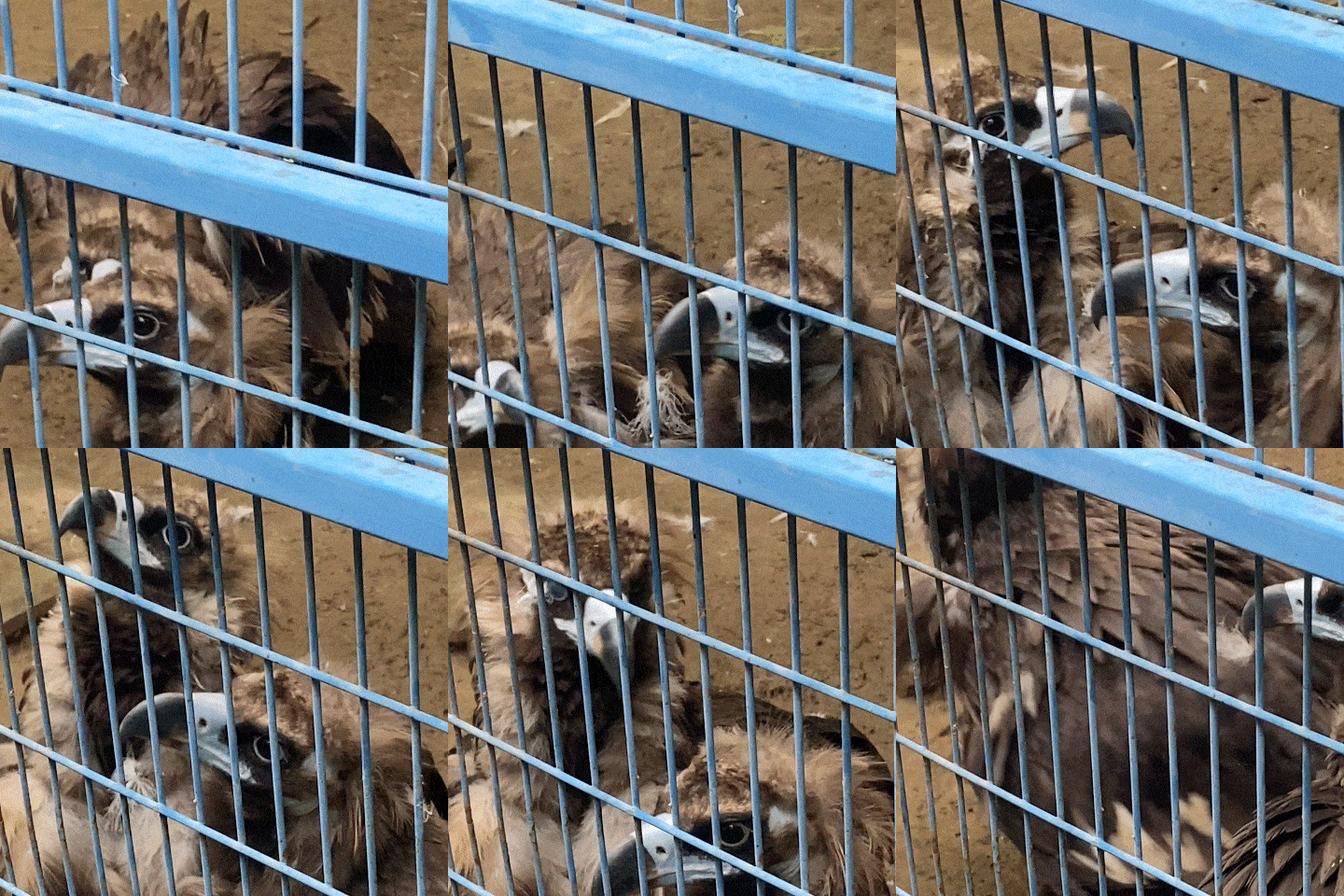
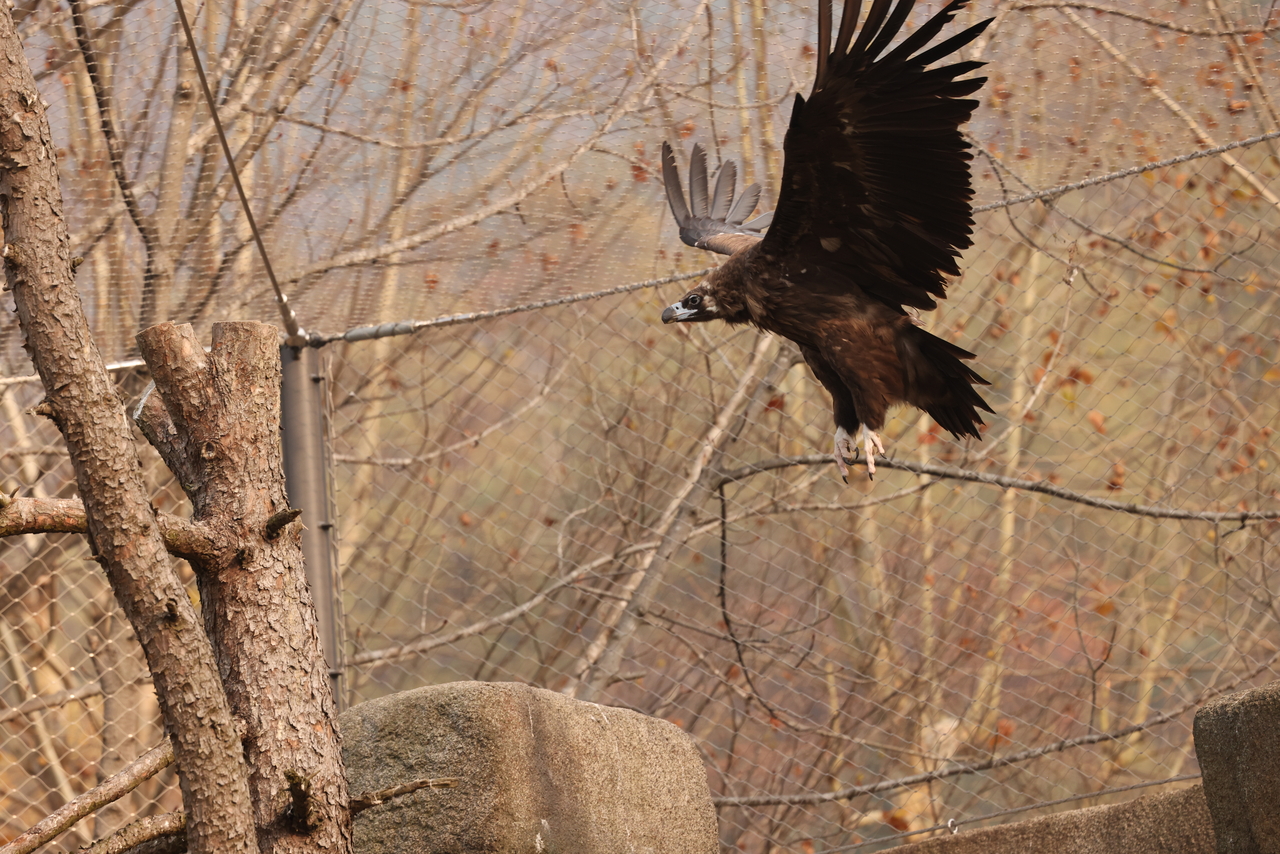
At the Hangang Wildlife Conservation Research Center, a pair of cinereous vultures are among the seriously injured birds being cared for after collisions.
“These vultures broke their wings after becoming caught on a tall transmission tower while riding high-altitude air currents,” said Kim Dae-sik, an official at the wildlife shelter. “They were supposed to return north before summer.”
Kim added that birds with concussions have a low chance of survival, while those with fractures may be unable to survive in the wild even after recovering from their injuries.
Wildlife population controls can also have unintended effects elsewhere in the urban ecosystem.
Efforts to control magpie populations to reduce power-line and crop damage can, for example, affect some raptor species, Kim said.
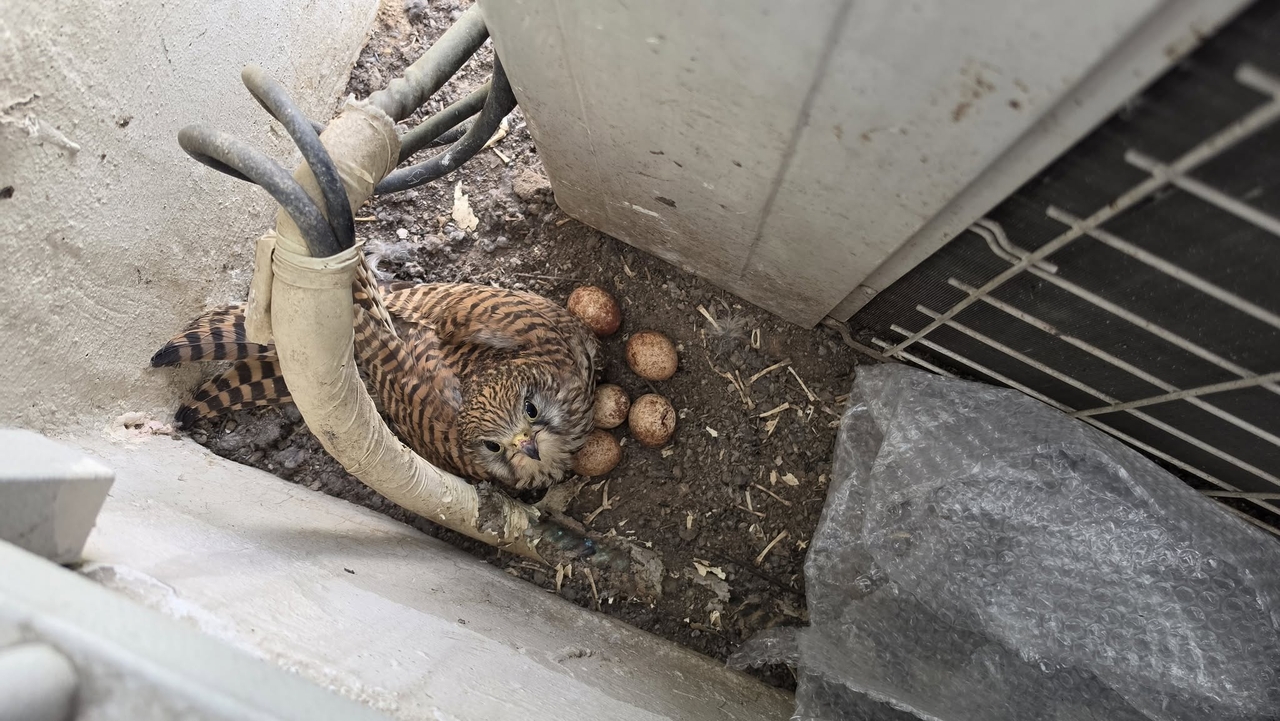
“When magpie populations decline, crows tend to increase, and crows raid kestrel nests. If crows continue to become more dominant, kestrel populations could decline.”
Why raptors matter
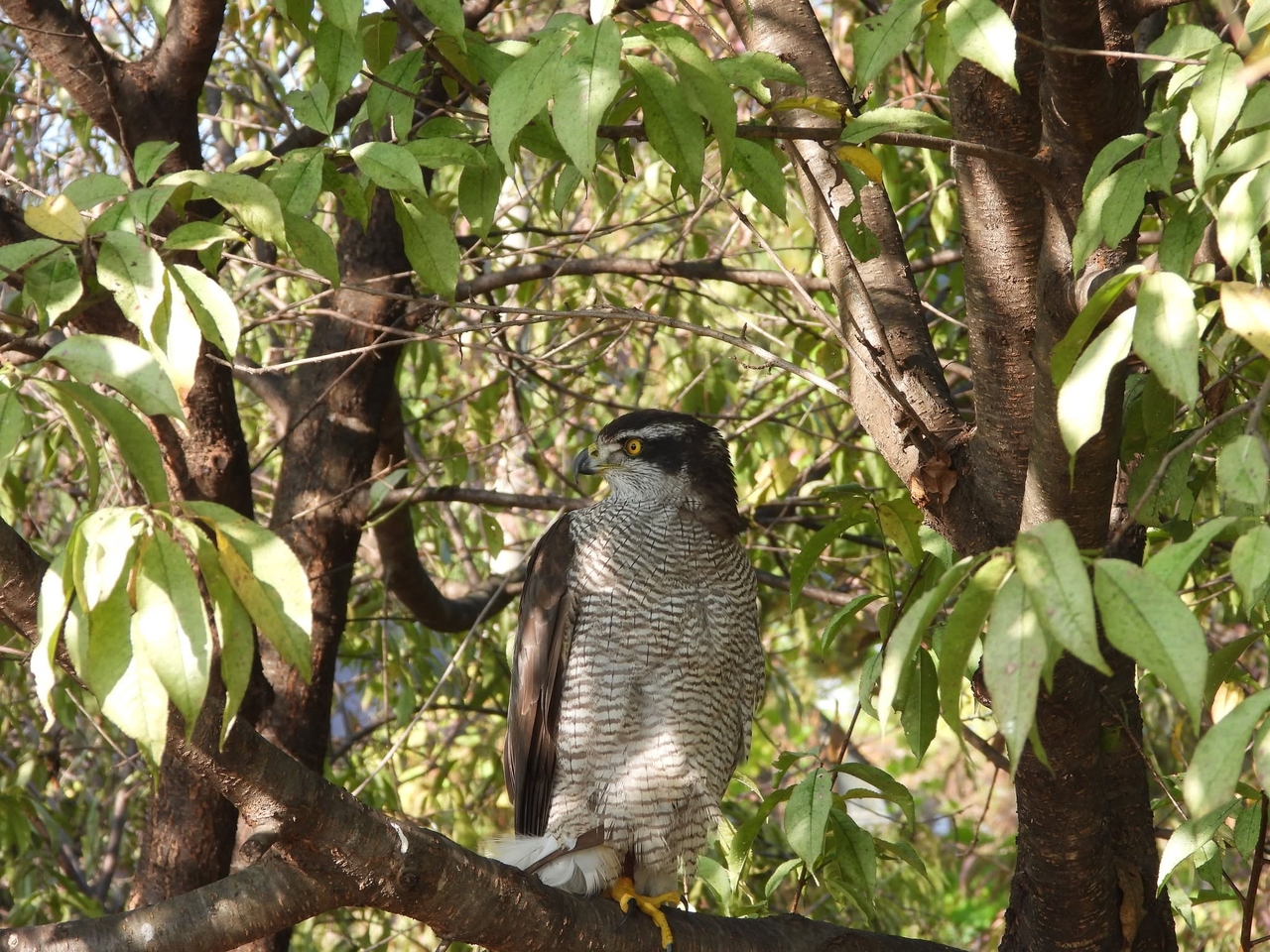
With few species in Seoul capable of regulating populations of smaller animals, birds of prey play an important role as apex predators.
“Raptors prey on animals such as rats, pigeons and crows, which are often regarded as nuisances in the Seoul metropolitan area,” Kim said. “Eurasian eagle-owls normally prey on Korean hares here, but with fewer hares around these days, they seem to be hunting cats more often, at least from what we see in the field.”
Raptors’ role, however, extends beyond regulating other animals.
“Raptors can serve as indicator species representing the stability and health of ecosystems,” Choi said.
Growing public interest in bird watching could also bring greater attention to raptors and the ecosystems they inhabit.
Search data from Naver DataLab show that searches for “bird watching” had increased more than 25-fold over seven years as of June. A Nikon bird-watching event in June drew 17.6 applicants per spot, about 70 percent of them in their 20s and 30s.
Making cities safer for wildlife
Some efforts to protect birds have begun to bear fruit.
Bird rescuers say applying linear and dot patterns and bird-shaped stickers to transparent soundproof walls appears to have contributed to a decline in collision reports. Seoul Institute data show that recorded bird collisions fell from 1,391 in 2022 to 1,138 in 2024.
But rescuers say the stickers alone have not been enough.
Experts and rescuers say a broader consideration of wildlife in urban development is needed to reduce risks to birds of prey.
“Wildlife clearly coexists with people even in Seoul and the surrounding metropolitan area, where development pressure is high, and the public needs to recognize how important it is to protect them,” said Kim Bong-kyun, a wildlife professor at Kongju National University.
“We should also consider whether facilities built for people are truly necessary and sufficiently used, and discuss opportunities to restore areas to more natural conditions.”
Experts say such changes will require more research into conservation and restoration.
Much remains to be studied, from raptor behavior to how rescued birds can retain the skills they need to survive in the wild. Only a small number of researchers in Korea are working on such questions.
“Climate change is another variable, so research on breeding and rehabilitation needs to be conducted quickly,” Kim said.


forestjs@heraldcorp.com