Similar to programs in Gyeonggi and Jeju, Busan’s proposal would compensate residents for illnesses linked to heat waves, cold spells and heavy rain
More South Korean municipalities are introducing so-called “climate insurance,” a new kind of social safety net designed to compensate residents for some of the health and financial costs of extreme weather.
Busan said Sunday that it plans to amend a municipal ordinance to lay the legal groundwork for providing administrative and financial support through climate insurance as part of its climate action plan. The move follows similar programs by local governments in Gyeongi Province and Jeju Island as they seek to expand their social safety nets amid the climate crisis.
"Climate inequality is not a burden an individual should bear," Cho Yong-woo, a member of the Busan Metropolitan City Council who proposed the draft, said in his proposal.
Under the proposal, Busan will provide monetary subsidies to people who are diagnosed with illnesses caused by extreme climate conditions such as heat waves, cold snaps, and heavy rain, as well as certain infectious diseases such as dengue and malaria.
The exact coverage and benefits are yet to be determined. However, the city is considering providing 100,000 won ($72) in compensation and transportation fees for the socially disadvantaged traveling to hospitals.
One of the earlier efforts dates back to Gyeonggi Province's climate insurance. Since April, 2025, the province has enrolled all residents in its program and provided 150,000 won to those who are diagnosed with climate-related illness.
Jeju has implemented the country's first income insurance in July for daily construction workers whose work is suspended due to extreme heat. The insurance covers a maximum of four hours, or 68,000 won pay, for about 5,000 daily workers enrolled in the retirement mutual aid association at public-commissioned construction sites worth 100 million won.
Other provinces and cities, including Jeolla, North Chungcheong, South and North Gyeongsang provinces, and Gwangju, are also working to adopt their own climate insurance.
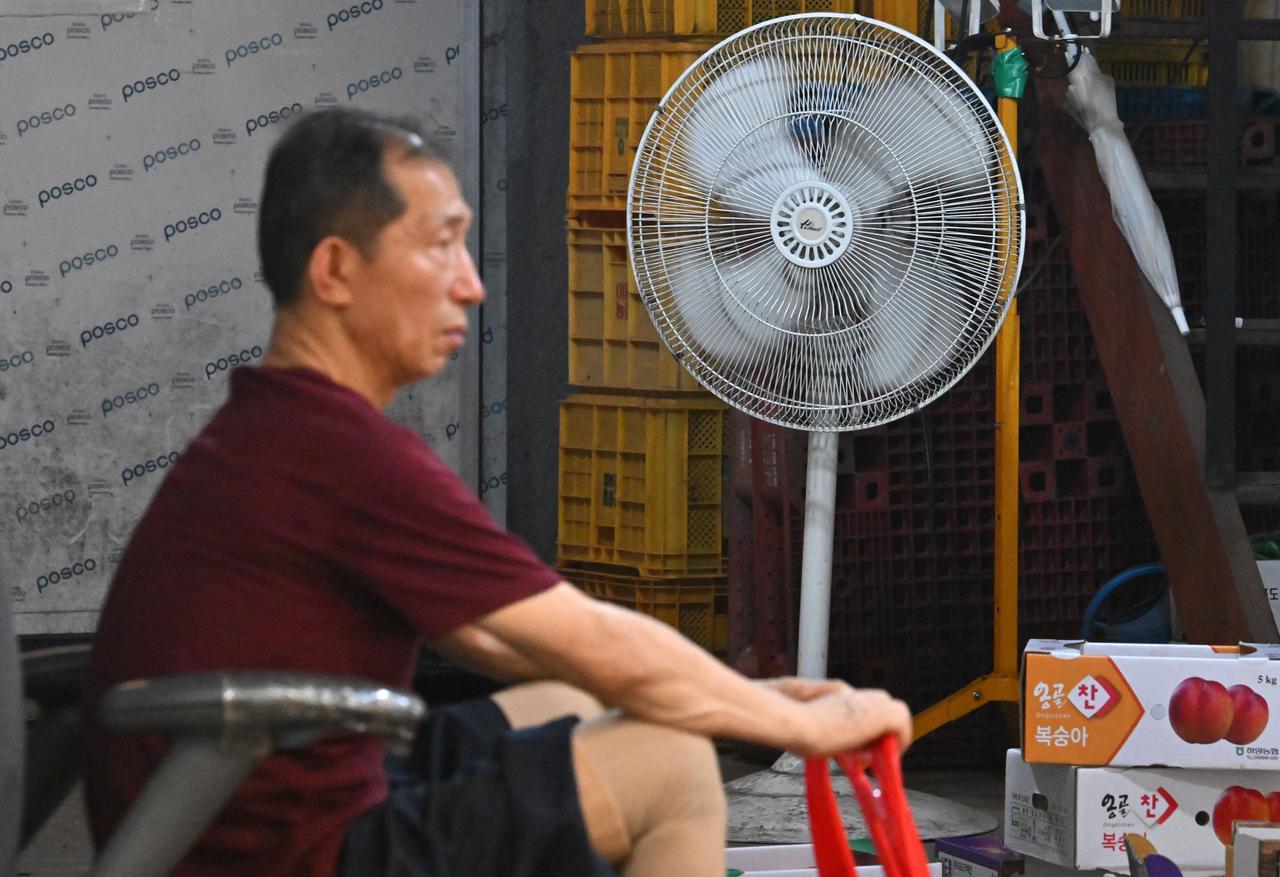
The expansion of these climate-related insurance programs comes as extreme heat forces more workers to miss work and cuts into small-business sales, turning climate change into a social safety issue with consequences for both household incomes and public health.
South Korea introduced its first-ever extreme heat warning this year, under which nonessential outdoor work is advised to stop. The warning is issued when the daily maximum perceived temperature is forecast to reach 38 degrees Celsius or higher, or the daily high temperature is expected to reach 39 C or higher.
mjcha@heraldcorp.com