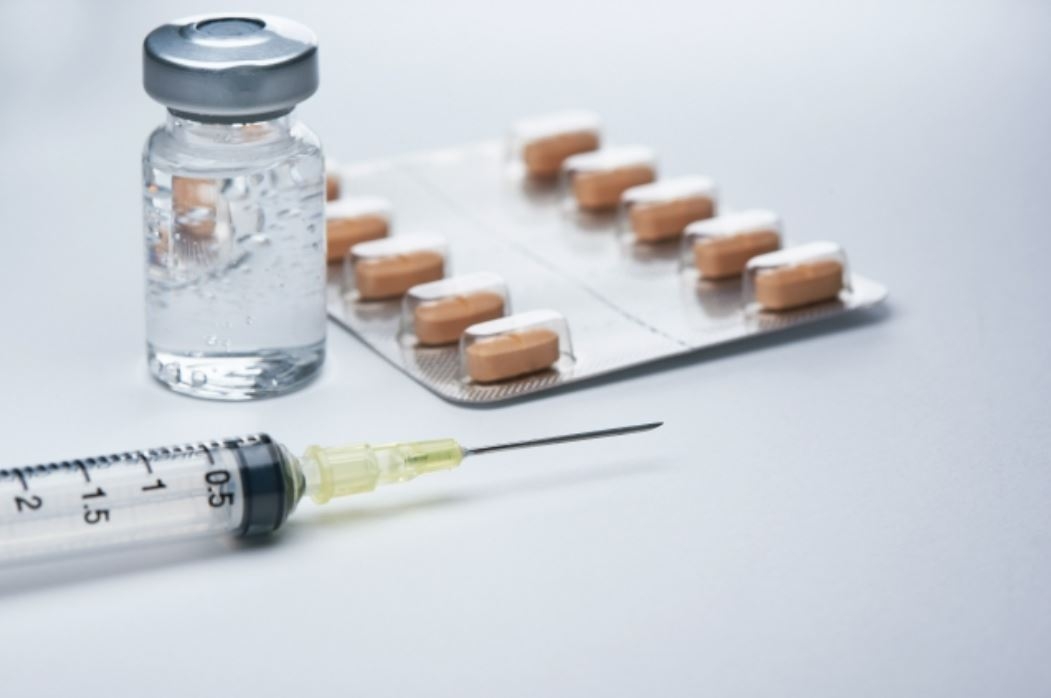
Bringing medication into South Korea may seem straightforward, particularly if it is something you have been prescribed or can easily buy in your home country.
But some medications that are legal overseas are tightly regulated in Korea, while others may require a prescription, supporting documents or prior government approval before they can be brought into the country.
Korea has strict regulations not only on illegal drugs, but also on state-approved medications containing controlled substances that require a prescription.
Under the Narcotics Control Act, psychotropic drugs are substances that affect the central nervous system and can cause serious harm if misused. These can include some ADHD medications, which contain amphetamine salts.
So what kinds of drugs may be blocked at customs, and how can travelers find out which medications are regulated?
Customs guideline
For individuals bringing medication into Korea for personal rather than commercial use, different rules apply depending on the type of medication and how it enters the country.
The Korea Customs Service provides detailed guidelines on medicines and other products brought in for personal use on the Incheon Airport Regional Customs website.
For medications arriving by international mail, customs guidelines generally recognize up to six bottles — or, for larger quantities, up to a three-month supply based on the dosage — as being for personal use.
Travelers carrying medication with them are subject to separate customs rules. In particular, narcotics, psychotropic drugs and medicines considered at risk of misuse or abuse are among those that must meet additional import requirements. Restricted goods are subject to those requirements regardless of whether they fall within the ordinary duty-free allowance.
Some medications can only be brought into Korea with additional documents or prior approval.
Those entering Korea with narcotic or psychotropic medication for their own treatment, for example, must obtain approval from the Ministry of Food and Drug Safety in advance, regardless of nationality.
This means travelers should not assume that medication can be brought into Korea simply because it was legally prescribed or purchased in another country.
Foreign residents can also receive prescriptions in Korea for medications that have been approved for use here. For drugs that are readily available in Korea, obtaining them locally may be easier than going through the import process.
How to check specific medications
Information about a specific drug can be obtained through the Drug Information Search service on the Drug Ministry's website.
The service is available in both Korean and English. The English version provides basic information such as whether a product has been approved in Korea, while more detailed information is available on the Korean-language site.
The Korean Integrated Narcotics Database provides information on narcotics and temporary narcotics regulated in Korea, including their classification and legal status. Being listed in the database does not necessarily mean a substance is an illegal drug — some have legitimate medical uses but remain subject to controls under the Narcotics Control Act.
The government also maintains information on products blocked from import, which can be searched through Food Safety Korea or the Imported Food Information Maru.
Keep in mind that a product sold overseas may not appear on a government list under the same brand name. This does not necessarily mean it can be brought into Korea, as the product may be regulated according to its active ingredient or under a different classification.
This is particularly important for drugs that are sold under different brand names in different countries. Travelers should check both the active ingredient and product name when determining whether a medication is regulated in Korea.
Bringing medication into Korea from another country can be complicated, so travelers should check with the Korea Customs Service, Drug Ministry and websites above in advance if they are unsure whether a particular drug can be brought into Korea.
For nonessential medication readily available in Korea, obtaining it locally may be the simple option, particularly for foreign residents staying in the country for an extended period.