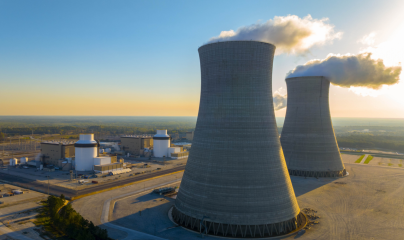
오늘날 기후변화(climate change)는 단순히 기온(temperature)이 조금 상승하는 현상이 아니라 인간의 건강(health), 농업(agriculture), 에너지(energy), 경제(economy), 생태계(ecosystem)에 광범위한 영향을 미치는 세계적인 문제입니다. 특히 폭염(heat wave)의 빈도와 강도(intensity)가 높아지면서 세계 각국은 기후변화에 대한 대응(climate action)을 더욱 서두르고 있습니다.
최근 한국은 일부 지역에서 기온이 42.5 degrees Celsius를 기록하는 등 기록적인 폭염을 경험했습니다. 과학자들은 이러한 이상기후(extreme weather)가 온실가스(greenhouse gases) 배출 증가와 지구온난화(global warming)의 영향으로 더욱 자주 발생할 가능성이 높다고 설명합니다. 유럽(Europe), 북미(North America), 중국(China) 등 여러 지역에서도 비슷한 폭염이 이어지며 인명 피해(casualties)와 경제적 손실(economic losses)이 커지고 있습니다.
폭염은 단순히 더운 날씨(hot weather)를 의미하지 않습니다. 장기간 지속되는 고온(prolonged high temperatures)은 열사병(heatstroke), 탈수(dehydration), 심혈관 질환(cardiovascular disease)의 위험을 높이며 특히 노인(seniors), 어린이(children), 야외 근로자(outdoor workers)와 같은 취약계층(vulnerable groups)에 더 큰 영향을 미칩니다. 또한 냉방(air conditioning) 수요가 급증하면서 전력망(power grid)에 부담을 주고 정전(power outage)의 위험도 높일 수 있습니다.
기후변화는 농업에도 큰 영향을 미칩니다. 가뭄(drought)과 폭염은 농작물(crops)의 생산량(crop yields)을 감소시키고 식량 가격(food prices)을 끌어올릴 수 있습니다. 동시에 산불(wildfires)의 발생 위험도 커지며 산림(forests)과 생물다양성(biodiversity)에 심각한 피해를 줄 수 있습니다. 이러한 변화는 식량 안보(food security)와 장기적인 경제 안정(economic stability)에도 중요한 과제가 되고 있습니다.
정부와 기업들은 탄소배출(carbon emissions)을 줄이고 재생에너지(renewable energy)를 확대하기 위한 다양한 정책을 추진하고 있습니다. 도시에서는 녹지 공간(green spaces)을 늘리고 폭염 경보(heat alerts)를 강화하며, 건물의 에너지 효율(energy efficiency)을 높이는 노력도 이어지고 있습니다. 전문가들은 기후변화의 영향을 완전히 막기는 어렵지만 피해를 줄이기 위한 적응(adaptation)과 완화(mitigation)를 함께 추진해야 한다고 강조합니다.
기후변화는 어느 한 국가만의 문제가 아닙니다. 국제사회(international community)는 탄소중립(carbon neutrality) 달성과 지속 가능한 발전(sustainable development)을 위해 협력을 강화하고 있습니다. 폭염은 앞으로 더욱 빈번해질 가능성이 높은 만큼, 각국은 온실가스 감축과 기후 적응 정책을 동시에 추진하며 더 안전하고 회복력 있는(resilient) 사회를 만들어야 할 것입니다.
[표현 정리]
1. heat wave 폭염
= a prolonged period of unusually hot weather.
Many countries are experiencing an intense heat wave.
많은 국가들이 강한 폭염을 겪고 있다.
2. climate change 기후변화
= long-term changes in temperature and weather patterns.
Climate change is affecting weather around the world.
기후변화는 전 세계의 날씨에 영향을 미치고 있다.
3. greenhouse gases 온실가스
= gases that trap heat in the Earth's atmosphere.
Reducing greenhouse gases is essential.
온실가스를 줄이는 것은 필수적이다.
4. global warming 지구온난화
= the long-term increase in Earth's average temperature.
Global warming is making heat waves more frequent.
지구온난화는 폭염을 더욱 빈번하게 만들고 있다.
5. carbon neutrality 탄소중립
= the state of producing no net carbon emissions.
Many countries have adopted carbon neutrality goals.
많은 국가들이 탄소중립 목표를 채택했다.
6. renewable energy 재생에너지
= energy produced from naturally replenished sources.
Investment in renewable energy continues to grow.
재생에너지 투자는 계속 증가하고 있다.
7. power grid 전력망
= a network that delivers electricity to consumers.
The power grid was under heavy pressure during the heat wave.
폭염 기간 동안 전력망은 큰 부담을 받았다.
8. food security 식량 안보
= reliable access to sufficient and nutritious food.
Climate change poses a serious threat to food security.
기후변화는 식량 안보에 심각한 위협이 된다.
9. adaptation 적응
= actions taken to adjust to the effects of climate change.
Cities are investing in adaptation measures.
도시들은 기후 적응 대책에 투자하고 있다.
10. mitigation 완화
= efforts to reduce the causes of climate change.
Both adaptation and mitigation are necessary.
기후 적응과 기후변화 완화는 모두 필요하다.
[빈칸 넣기 문제]
1. Many countries are experiencing an intense heat ______.
2. Climate ______ is affecting weather around the world.
3. Reducing greenhouse ______ is essential.
4. The power ______ was under heavy pressure during the heat wave.
5. Both adaptation and ______ are necessary.
[답안]
1. wave
2. change
3. gases
4. grid
5. mitigation
[해석]
1. 많은 국가들이 강한 폭염을 겪고 있다.
2. 기후변화는 전 세계의 날씨에 영향을 미치고 있다.
3. 온실가스를 줄이는 것은 필수적이다.
4. 폭염 기간 동안 전력망은 큰 부담을 받았다.
5. 기후 적응과 기후변화 완화는 모두 필요하다.
[단어]
heat 폭염, 열
wave 파동, (heat wave에서) 폭염
climate 기후
change 변화
greenhouse gas 온실가스
power grid 전력망
adaptation 적응
mitigation 완화
khnews@heraldcorp.com

![[Graphic News] 6,000 Korean restaurant businesses disappear in a year](https://wimg.heraldcorp.com/news/cms/2026/10/14/news-p.v1.20261014.7ef2eb06bdec41a2a4ce1e749d467227_T1.gif?type=h&h=800)