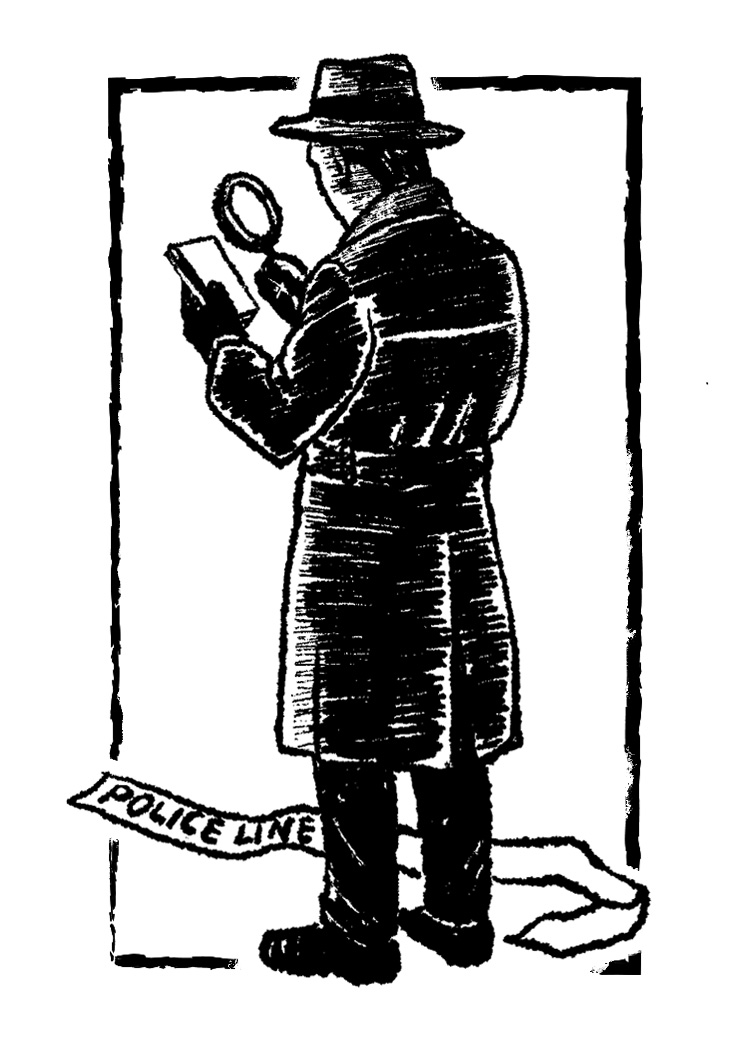
"귀가 얇다"는 표현은 남의 말을 쉽게 믿거나 다른 사람의 의견에 쉽게 영향을 받는 사람을 묘사할 때 사용하는 말입니다. 다른 사람의 말을 받아들이는 귀가 얇아, 별다른 판단이나 검토 없이 그대로 받아들인다는 비유에서 나온 표현입니다.
2015년 방영된 tvN 드라마 <응답하라 1988>에는 지하철 방문 판매원의 말을 쉽게 믿어 퇴근길마다 무언가를 사 들고 집에 돌아오는 아버지 캐릭터가 등장합니다. 이를 본 어머니가 아버지의 성향을 나무라며 사용하는 표현이 바로 "귀가 얇다"입니다.
비슷한 의미로 "팔랑귀를 가졌다"는 표현도 사용하는데요. 두 표현 모두 남의 말을 쉽게 믿고 다른 사람의 의견에 쉽게 흔들리는 성향을 나타내며, 대체로 이를 지적하거나 놀리는 부정적인 뉘앙스로 사용됩니다.

"Follow the herd"
The word “pushover” is a stronger (negative) way to describe someone who is easily swayed or influenced. It implies more that the person in question will not or cannot stand up for themselves, and thus easily falls under the influence of others. It’s often used to imply weakness, and therefore isn’t a nice thing to call someone. There are also animal comparisons that can be used. In reference to going along with the crowd (doing what everyone else is doing), someone may also be called a “sheep” or a “lemming,” or be told that they “follow the herd.”
"Pushover"는 쉽게 휘둘리거나 영향을 받는 사람을 좀 더 강하게 (그리고 부정적으로) 묘사하는 표현입니다. 이 말에는 스스로를 지키거나 자신의 입장을 내세우지 못해 다른 사람에게 쉽게 영향을 받는다는 뉘앙스를 담고 있습니다. 흔히 나약함을 암시할 때 쓰이기 때문에, 누군가를 이렇게 부르는 것은 결코 듣기 좋은 말이 아닙니다. 동물에 빗댄 표현들도 있습니다. 남들이 하는 대로 따라가는 사람, 즉 대중의 흐름에 휩쓸리는 사람을 두고 "양(sheep)"이나 "레밍(lemming)"이라고 부르기도 하고, "무리를 따라간다(follow the herd)"는 표현을 사용하기도 합니다.

"Easy Mark"
Con artists and thieves love an "easy mark," or someone who is easily fooled. The phrase comes from 19th century criminal slang and the "mark" is a place to be robbed or a person who is the subject of a hustle. In archery or shooting, the mark is the target, or the spot you're aiming to hit, so "easy target" works too. You could also refer to this person as a "sitting duck," but that's getting into a whole different area of animal idioms that I'll save for another time.
사기꾼과 도둑들은 "easy mark", 즉 쉽게 속아 넘어가는 사람을 좋아합니다. 이 표현은 19세기 범죄자들의 은어에서 비롯되었는데, 여기서 "mark"는 털어야 할 장소나 사기의 대상이 되는 사람을 뜻했습니다. 양궁이나 사격에서 "mark"는 과녁, 즉 맞히려는 지점을 가리키므로 "easy target (쉬운 표적)"이라는 표현도 쓸 수 있습니다. 이런 사람을 "sitting duck (앉아 있는 오리)", 다시 말해 손쉬운 먹잇감이라고 부를 수도 있는데, 이건 또 다른 동물 관용구의 영역으로 넘어가는 이야기라 다음 기회를 위해 아껴두겠습니다.

"Gullible"
The simplest translation of this would be to describe someone as gullible, meaning they are quick to believe something whether it's true or not. Salespeople love a gullible person, because it’s usually easy to make money off of them. Someone who is gullible might also fall for scams or be easily tricked. As you can imagine, no one really likes to hear themselves described as gullible, so be sure to think about context when using the word. If you tell someone you’ve just met how gullible they are, they might not laugh it off as easily as your bestie from kindergarten.
이 표현을 가장 간단하게 옮기면, 누군가를 "잘 속아 넘어가는 사람 (gullible)"이라고 묘사하는 것입니다. 사실이든 아니든 무언가를 쉽게 믿어버리는 사람을 뜻하죠. 판매원들은 이런 사람을 좋아하는데, 대개 이들에게서 손쉽게 돈을 벌 수 있기 때문입니다. 잘 속는 사람은 사기에 넘어가거나 쉽게 속임수에 당하기도 합니다. 짐작하시겠지만, 자신이 "gullible"하다는 말을 듣고 좋아할 사람은 없으니, 이 단어를 쓸 때는 상황을 잘 살펴야 합니다. 방금 만난 사람에게 "당신 참 잘 속네요"라고 말한다면, 유치원 때부터 친한 단짝처럼 웃어넘겨 주지는 않을 테니까요.
What's the Word?는 한국어 표현을 영어로 자연스럽게 바꾸기 어려울 때, 코리아헤럴드의 원어민 카피에디터들이 상황에 딱 맞는 자연스러운 영어 표현으로 알려주는 콘텐츠입니다. - Ed.
khnews@heraldcorp.com

![[Graphic News] 6,000 Korean restaurant businesses disappear in a year](https://wimg.heraldcorp.com/news/cms/2026/10/14/news-p.v1.20261014.7ef2eb06bdec41a2a4ce1e749d467227_T1.gif?type=h&h=800)