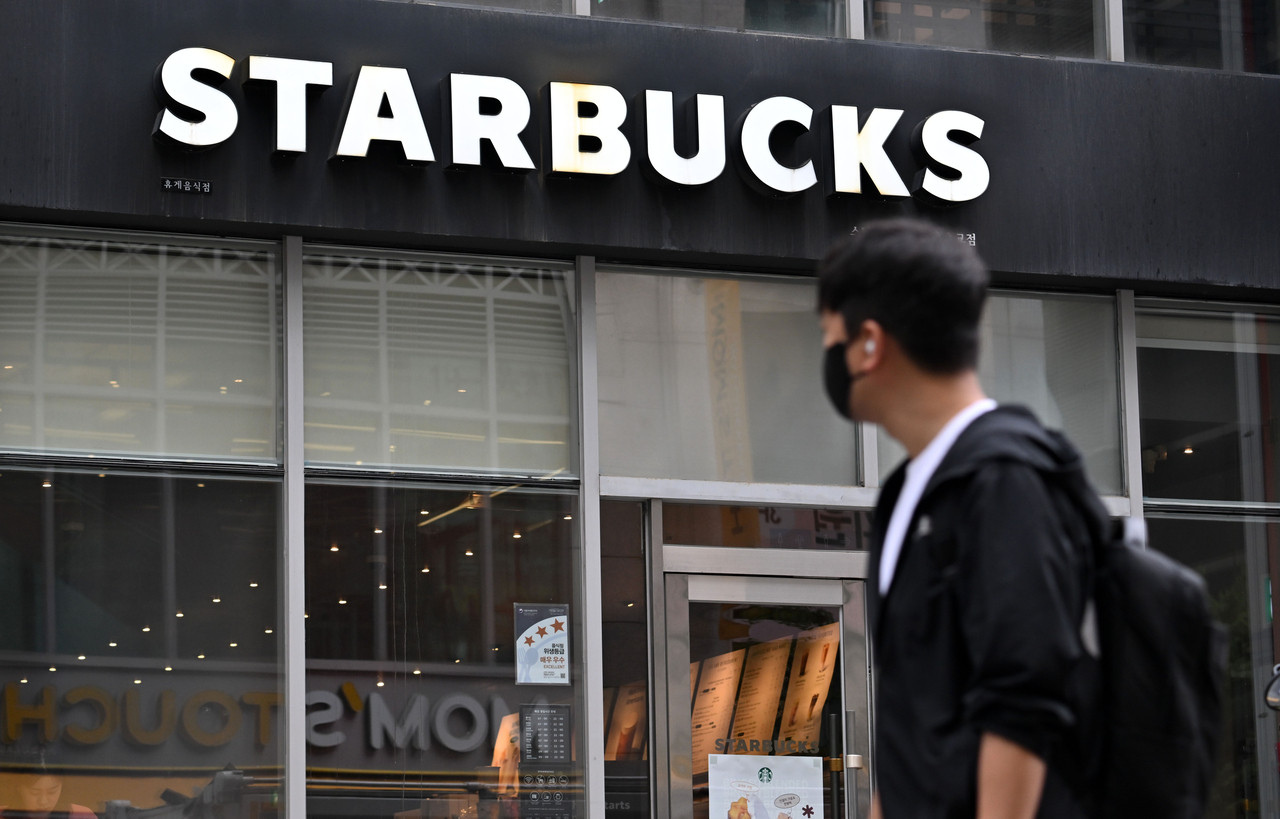
On Monday, as South Korea marked the 46th anniversary of the 1980 Gwangju Democratic Uprising, Starbucks Korea debuted a jarring commercial campaign. The coffee chain launched a product promotion under the banner "Tank Day," accompanied by the copy "Slam on the desk."
대한민국이 1980년 광주민주화운동 46주년을 기념한 월요일 스타벅스 코리아는 눈살을 찌푸리게 하는 프로모션을 내놓았다. 동 커피 프랜차이즈는 "탱크데이"라는 제목을 내걸고 제품을 홍보하며 "책상에 탁"이라는 문구도 포함시켰다.
While the ceremony in Gwangju honored victims of state violence, this promotion, whether by design or neglect, echoed the very symbols of that violence. The resulting public response was immediate and, for many, deeply unsettling and intolerable.
광주에서 국가 폭력의 희생양을 기리는 식이 진행되는 동안 이 마케팅은 의도였든 방치였든 그 폭력의 상징을 그대로 반영했다. 여론의 반응은 즉각적이었고 많은 이들은 매우 당혹스러워했고 받아들이기 어려워했다.
The company has described the episode as an administrative oversight, denying any intent or awareness of historical references and framing it as a breakdown in internal review procedures.
스타벅스 코리아는 이 사건을 행정적 관리 부실이라고 설명했다. 역사적인 언급을 하려는 어떠한 의도나 인지도 없었으며 내부 검토 절차에 문제가 있었던 것으로 규정한 것이다.
Yet that defense has convinced few. For many consumers, the references appeared too specific, too layered in historical meaning and context.
그러나 그 변명을 받아들인 사람은 많지 않다. 다수의 소비자들이 보기에 그 언급은 지나치게 특정적이며 역사적 함의와 맥락이 매우 복잡하게 얽혀있다.
“Tank” recalls the military vehicles deployed against civilians during the 1980 crackdown in Gwangju, which left at least 165 dead and around 1,800 injured. “Slam on the desk” evokes the attempt to obscure the 1987 torture death of student activist Park Jong-chol.
"탱크"는 1980년 광주에서 최소 165명이 사망하고 약 1천8백명이 다친 무력 진압 과정에서 시민들을 상대로 동원된 군용 차량을 상기시킨다. "책상에 탁"이라는 문구는 1987년 고문으로 사망한 학생운동가 박종철 열사의 죽음을 은폐하려 했던 시도를 떠올리게 한다.
Public reaction moved swiftly from outrage to action. Online boycotts gathered pace, with consumers destroying branded merchandise and calling for wider, sustained participation in the movement.
대중들의 반응은 분노에서 빠르게 행동으로 옮겨졌다. 온라인 불매운동이 속도를 더해 소비자들은 스타벅스 브랜드의 상품을 망가뜨리며 더 폭넓고 지속적인 불매운동 참여를 촉구했다.
On Wednesday, civic groups in Seoul and survivors in Gwangju filed criminal complaints against senior executives, alleging defamation, insult and violations of the May 18 Special Law.
수요일 서울의 시민단체들과 광주의 유족들은 명예훼손 및 모욕, 5.18 특별법 위반 혐위로 스타벅스 코리아 고위 간부들을 형사고소했다.
Shinsegae Group’s response was swift but limited. The dismissal of Starbucks Korea’s chief executive on the day of the incident signaled urgency. A day later, Shinsegae Group Chair Chung Yong-jin issued a public apology and pledged internal reviews and mandatory training.
신세계그룹의 대응은 신속했으나 제한적이었다. 사건 당일 스타벅스 코리아 대표를 해임한 것은 긴박함을 시사했다. 익일 신세계그룹 정용진 회장은 대국민 사과를 발표하며 내부감사 및 의무교육 실시를 약속했다.
Yet the speed of these measures underscores a deeper failure. A campaign of this scale would have passed through multiple layers of approval and review. That none intervened suggests a systemic lapse in governance.
그러나 이러한 조치들이 빠르게 이루어진 것은 그 사건이 얼마나 큰 문제였는지를 잘 보여주는 것이다. 이러한 규모의 마케팅은 여러 단계의 승인 및 검토를 거쳤을 것이다. 누구도 이에 제동을 걸지 않았다는 것은 지배구조의 제도적 결함을 뜻한다.
The structure of Starbucks Korea makes this clearer. The business is operated by SCK Company, controlled by superstore chain Emart since its 2021 acquisition of a 67.5 percent stake, with Singapore’s GIC holding the remainder.
스타벅스 코리아의 구조가 이를 더욱 여실히 보여준다. 해당 사업을 운영하는 것은 SCK컴퍼니로 대형마트 체인인 이마트가 2021년 확보한 67.5퍼센트의 지분을 가지고 나머지 지분은 싱가포르 투자청이 보유하고 있다.
Operational decisions, including marketing, are made locally. The controversy does not originate from Starbucks Coffee International, despite the shared global brand identity and licensing framework.
마케팅을 포함한 영업관련 의사결정은 국내 현지에서 이루어진다. 글로벌 브랜드의 정체성 및 라이센스 구조는 공유하고 있으나 논란의 시초는 스타벅스 커피 인터내셔널이 아니다.
In large conglomerates, the tone at the top heavily influences internal compliance cultures. Chung’s past controversial social media commentary has drawn renewed scrutiny in this context.
대기업에 있어 오너의 기조는 내부적인 조직내 풍토에 큰 영향을 미친다. 이러한 맥락에서 정 회장이 과거 소셜미디어를 통해 논란을 불러일으켰던 것이 재차 비판의 대상이 되고 있다.
The incident also reflects a wider drift. Historical trauma is increasingly repackaged as digital shorthand, stripped of context and consequence and recirculated without institutional resistance.
이번 사건은 좀더 넓은 의미에서의 변화를 반영하기도 한다. 맥락이나 책임이라는 개념없이 역사적인 트라우마가 점점더 디지털식 약어로 재포장되어 구조적인 저항없이 재분배되고 있다.
Data from the May 18 Memorial Foundation shows that instances of online distortion and defamation have surged, tripling last year to more than 5,000 cases. When such tendencies enter corporate marketing, the boundary between fringe discourse and mainstream commerce erodes.
5.18기념재단의 자료에 따르면 온라인 왜곡 및 명예훼손의 사례가 급증해 지난해는 세 배로 늘어난 5천건을 상회했다. 이러한 경향이 기업마케팅에 도입되면 비주류 담론과 주류 상업주의의 경계는 희미해진다.
Other countries have drawn firmer lines. Germany’s legal framework against Holocaust denial reflects a judgment that certain histories cannot be trivialized without cost to social cohesion and democratic memory.
여타 국가들은 좀더 분명한 선을 그었다. 독일의 홀로코스트 부정에 대한 법적 제도는 특정 역사를 가볍게 취급하는 것은 사회적 결속과 민주적 기억을 훼손하는 대가를 수반할 것이라는 판단을 담고 있다.
For Shinsegae, the stakes extend beyond public sentiment. Starbucks Korea is a major source of cash flow, generating 3.24 trillion won ($2.15 billion) in sales last year and delivering roughly 71.7 billion won in dividends to Emart.
신세계에 있어 그 대가는 여론뿐이 아니다. 스타벅스 코리아는 지난해 3조2천4백억원의 매출액을 올리며 이마트에 약 717억의 배당금을 벌어다준 중요한 캐시카우다.
The 2021 licensing agreement with Starbucks Coffee International includes provisions that could allow the US partner to repurchase Emart’s stake, potentially at a 35 percent discount if brand damage escalates under certain conditions.
스타벅스 커피 인터내셔널과 2021년 체결한 라이선스 계약은 미국 파트너 기업이 이마트의 지분을 재구매할 수 있다는 조항을 포함한다. 특정 여건 하에 브랜드 훼손이 심해질 경우 35퍼센트 할인된 가격에 매수가능하다.
This is why the episode cannot be resolved through an apology alone. It calls for structural change. Independent review mechanisms and stronger compliance authority are needed within the organization.
따라서 이번 사건은 사과만으로 해결될 수 없다. 구조적 변화가 필요하다. 조직 내 독립적인 검토 절차 그리고 더욱 강력한 규정준수 담당 조직이 필요하다.
The campaign, launched on the very day of remembrance, revealed how distant that memory has become within corporate decision-making. In a market where values travel as quickly as products, history is not a backdrop but a live and consequential component of corporate risk.
역사를 기리는 그날 실시된 마케팅으로 기업의 의사결정에 그 기억이 얼마나 희미해졌는지가 드러났다. 상품만큼이나 가치관도 빠르게 유통되는 시장에서 역사는 배경에 지나지 않는 것이 아니라 기업 리스크의 살아있는 그리고 중요한 한 요소다.
jarring 거슬리는
obscure 은폐하다
defamation 명예훼손
compliance 규정 준수
distortion 왜곡
fringe 가장자리, 비주류
khnews@heraldcorp.com