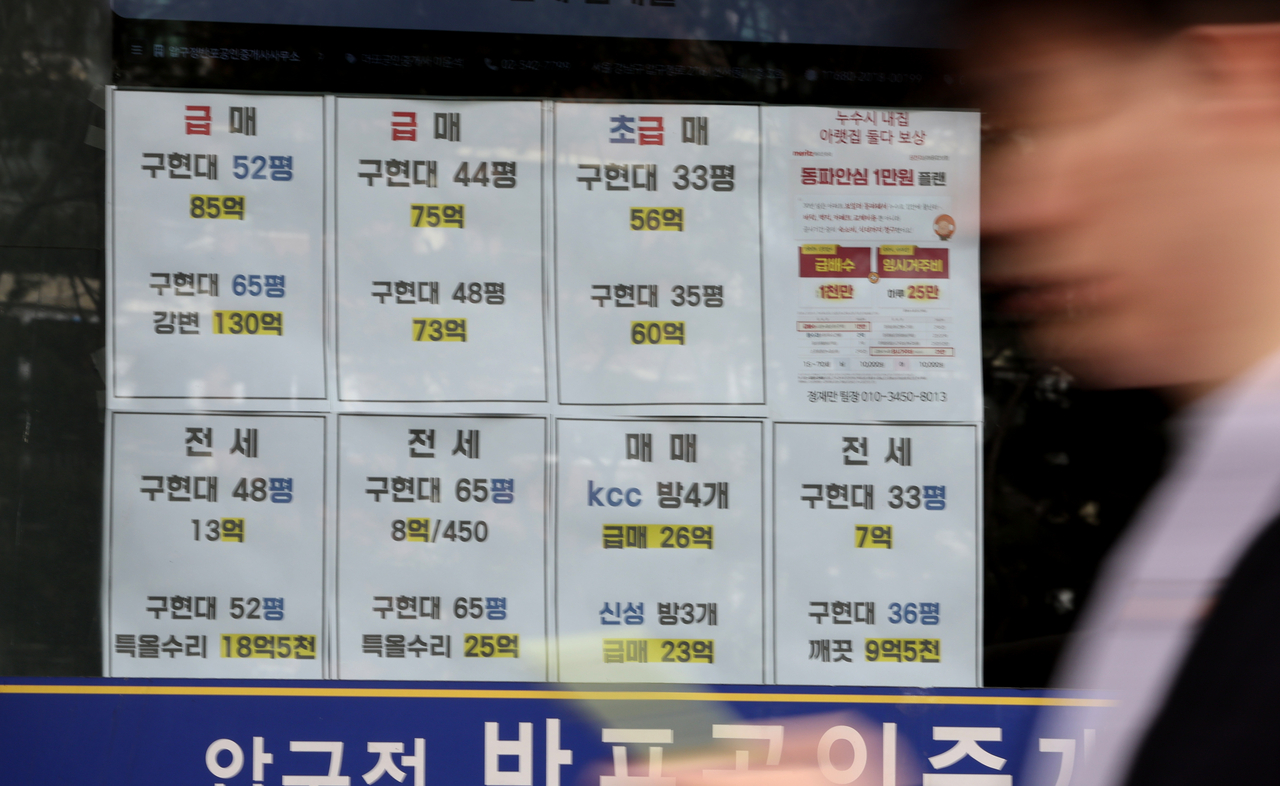
Jeonse is a housing lease system unique to Korea.
전세는 한국 고유의 주택 임대 시스템이다.
The tenant lives rent-free during the lease term and receives a full refund of the deposit when the contract ends. The system is built on the expectation that home prices will continue to increase. The deposit can be used to finance a home purchase or take out another jeonse lease. In Korea, jeonse has served as a stepping stone for many non-homeowners to buy a home.
세입자는 임대 기간동안 렌트비를 내지 않고 거주하다가 계약 기간이 끝나면 보증금을 전액 돌려받는다. 이 제도는 집값이 계속해서 오를 것이라는 기대를 전제로 하고 있다. 보증금은 주택 구입이나 다음 전세 계약을 하는데 쓰일 수 있다. 한국에서 전세는 주택 미보유자 다수에게 집을 구매하기 위한 발판이 되어 왔다.
However, jeonse listings are rapidly declining in apartments across Seoul and the surrounding metropolitan area, where many people prefer to live, while jeonse prices are surging.
그러나 많은 이들이 살고자 하는 서울 및 수도권 전역에 걸쳐 아파트 전세 매물은 빠르게 줄어들고 있고 전세 가격은 폭등하고 있다.
According to KB Kookmin Bank’s real estate data, the average jeonse price for apartments in Seoul climbed to 681.5 million won ($468,000) in April, the highest since records began.
국민은행의 부동산 자료에 따르면 4월 서울 아파트 평균 전세 가격은 6억8147만원으로 올라 집계가 시작된 이래 최고치를 기록했다.
The median jeonse price of Seoul apartments reached 600 million won, returning to the 600 million won range for the first time since September 2022 (606.58 million won).
서울 소재 아파트의 중위 전세 가격도 6억에 달해 2022년 9월 (6억658만원) 이후 처음 6억원대로 재진입했다.
In the fourth week of last month, the jeonse supply-demand index in Seoul climbed to 181.4, a five-year high. An index reading above 100 indicates that demand exceeds supply. An index reading above 180 indicates a significant shortage of available jeonse properties.
지난달 넷째주 서울의 전세 수급 지수는 181.4까지 올라 5년만의 최고치를 기록했다. 지수가 100을 넘으면 수요가 공급보다 많음을 뜻한다. 180이 넘어가면 전세로 내놓은 물건이 심각하게 부족하다는 것을 시사한다.
These days, it’s not uncommon for large apartment complexes of about 1,000 units to have only one or two jeonse listings available. There is reportedly a growing number of tenants signing jeonse contracts without even viewing the property.
요즘 1천세대가 넘는 대형 아파트 단지에서 전세로 나온 매물이 1-2개에 불과한 경우가 흔하다. 집을 보지도 않고 전세 계약을 맺는 세입자가 늘고 있다는 보도도 있다.
As part of the government’s Oct. 15 real estate package last year, land transaction permit zones were widened, reinforcing owner-occupancy requirements and significantly worsening the jeonse crunch. Buyers of homes in these zones are required to live in the property for two years. In other words, they are not allowed to rent out their homes immediately.
지난해 10월 15일 정부가 내놓은 부동산 정책의 일환으로 토지거래허가구역이 확대됨에 따라 실거주 요건이 강화되고 전세난은 크게 악화되었다. 이 구역 내의 주택 구입자는 해당 주택에서 2년간 거주해야 한다. 즉 구입 즉시 세를 주는 것이 금지된 것이다.
The zones were expanded to encompass all of Seoul and 12 areas in Gyeonggi Province.
확대된 동 구역은 서울과 경기 12지역을 모두 포함한다.
The government plans to end the temporary suspension of heavy capital gains taxes on owners of multiple homes on May 9 without further extension. The policy is designed to push housing prices down by prompting multi-home owners to sell their properties. However, these owners are generally landlords renting out their homes on a jeonse or monthly terms. As a result, the measure is having the effect of reducing the supply of jeonse and monthly rentals.
정부는 그간 유예해 온 다주택보유자의 양도소득세 중과를 더이상 연장하지 않고 5월 9일부로 시행하기로 했다. 이 정책은 다주택보유자들이 집을 팔도록 유도해 주택가격을 낮추고자 고안되었다. 그러나 다주택보유자들은 일반적으로 전세나 월세로 집을 빌려주는 임대인이기도 하다. 그 결과 동 조치는 전월세 임대 매물의 공급을 줄이는 결과를 가져왔다.
The reduced supply of jeonse is being offset by an increase in monthly rentals.
전세 공급의 감소는 월세 매물의 증가로 상쇄되고 있다.
In the first quarter of this year, monthly rentals (including semi-jeonse) accounted for 70.5 percent of lease contracts in Seoul, up 6.2 percentage points from a year earlier.
올해 1분기 (반전세를 포함한) 월세 매물은 서울의 임대차 계약의 70.5퍼센트에 달해 전년 대비 6.2퍼센트포인트 늘었다.
The share of monthly rentals for Seoul apartments rose to 50.8 percent, exceeding half. The figure is said to be not only the highest since records began in 2014, but also the first instance of monthly rentals overtaking jeonse in share.
서울 아파트의 월세 비중은 절반을 넘는 50.8퍼센트로 상승했다. 2014년 통계가 작성되기 시작한 이래 최대치일뿐 아니라 처음으로 월세가 전세보다 더 높은 비중을 차지한 경우다.
The shift from jeonse to monthly rentals is likely to increase housing cost burdens for young people and lower-income households, potentially curbing savings and spending. The primary driver behind the rapid increase in monthly rentals is a shortage of jeonse supply. The lack of jeonse is leaving tenants with little option but to turn to monthly rentals, narrowing their housing choices.
전세에서 월세로의 전환으로 젊은 층과 저소득 가계의 주거비 부담은 늘어날 것이며 저축과 지출은 제한될 수 있다. 월세가 급격히 늘어나는 주 원인은 부족한 전세 공급이다. 전세 매물이 부족해지자 선택의 폭이 좁아진 세입자들은 월세로 눈을 돌리는 것 이외에는 선택지가 많지 않다.
Even under these circumstances, the government is reviewing further tax hikes on property ownership. Possible measures include raising capital gains and property taxes on owners of multiple homes and high-value properties, along with scaling back long-term holding tax breaks.
이러한 상황에서도 정부는 주택보유 관련 세금을 추가로 인상하는 것을 검토중이다. 가능한 대책에는 다주택 및 고가주택 보유자들에 부과하는 양도소득세와 보유세 인상, 장기보유특별공제 축소 등이 포함된다.
Landlords are likely to pass on the tax burden to tenants. This would inevitably increase upward pressure on jeonse prices and accelerate the shift to monthly rentals. A regulation-heavy approach targeting homeowners has resulted in side effects such as dwindling jeonse supply and growing monthly rentals.
임대인들은 세금 부담을 임차인에게 전가할 가능성이 높다. 이는 불가피하게 전세 가격의 상승을 가져올 것이고 월세로의 전환에 속도를 더할 것이다. 주택보유자를 타겟으로 하는 규제에 의존하는 방식은 전세 공급 감소와 월세 확대와 같은 부작용을 불러일으켰다.
To ensure affordable housing for tenants, the government needs to refrain from overregulating homeowners and concentrate on revitalizing the jeonse system.
임차인들에게 적정 가격의 주거를 보장하기 위해서는 정부는 주택보유자를 과도하게 규제하는 것을 자제하고 전세 시스템을 되살리는데 집중해야 한다.
median 중간값의
crunch 경색
encompass 포함하다
hike 인상
dwindle 줄어들다
khnews@heraldcorp.com