The era of the AI reader has now arrived, Kim Tae-heon, president of the Korean Publishers Association (KPA), said as he laid out the publishing industry’s priorities for the AI era.
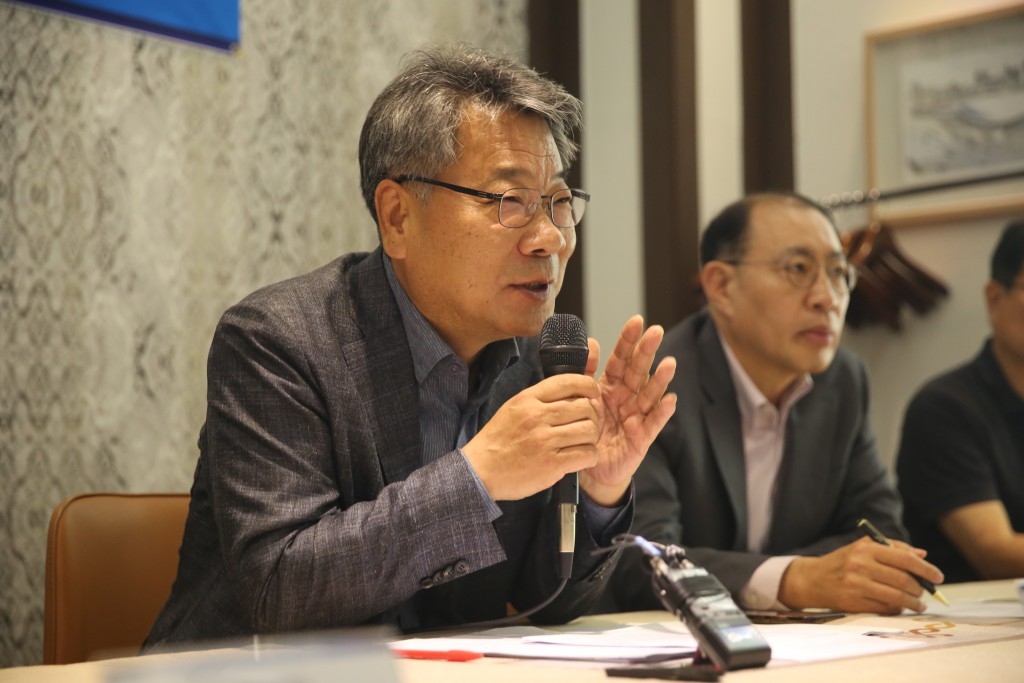
"In the past, when we spoke of readers, we meant human readers. Now we also have AI readers," Kim said Wednesday during his first press conference since taking office as president of the KPA in March.
He added that books have become important training data for AI systems, creating both challenges and opportunities for publishers, and that the industry urgently needs systems and policies suited to the AI era, particularly regarding the use of published works and copyright protections.
"Establishing standards for copyright protection and compensation has become a major task across the publishing industry," Kim said. "By ensuring books are fairly compensated and distributed, the publishing industry could also contribute to the development of South Korea's AI industry."
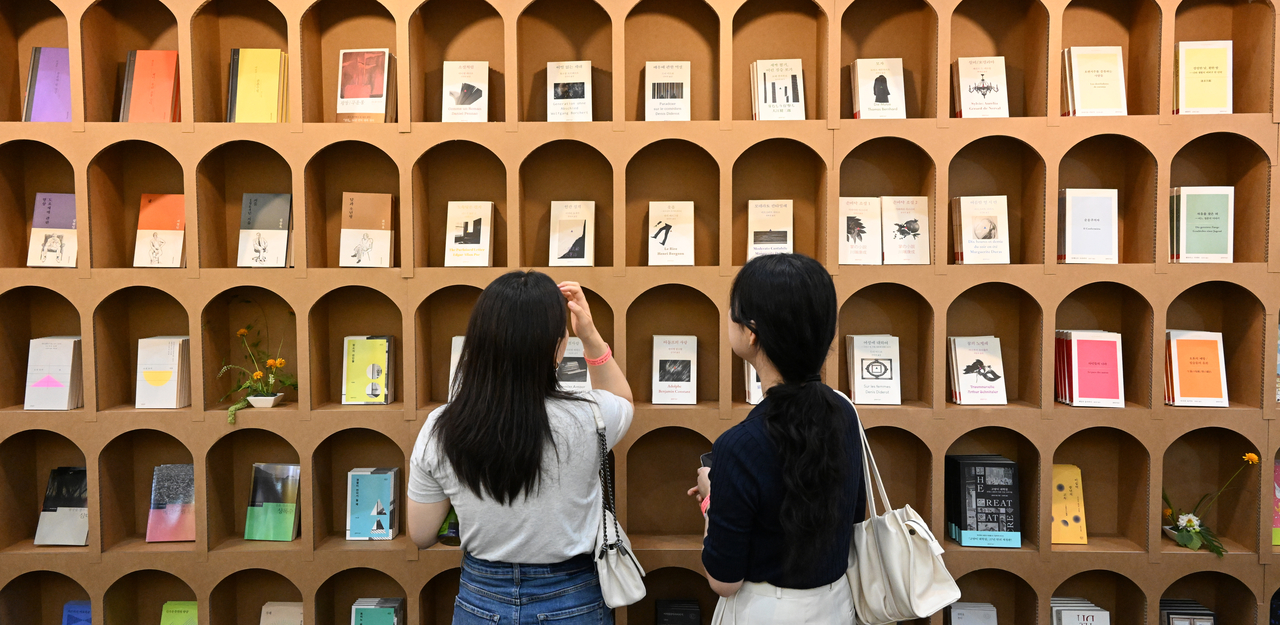
The KPA is also the main organizer of the Seoul International Book Fair, Korea's largest book festival, which marks its 70th edition this year. The event is scheduled to run from June 24-28 at Coex in southern Seoul.
Kim said the KPA is in talks with the government to restore funding that had previously been cut and pledged to restore trust following controversy over the book fair’s privatization.
"Cooperation with the government is an issue that must be resolved," Kim said. "We have recently begun substantive discussions with the Culture Ministry and the most urgent matter right now is the budget."
In 2023, the Culture Ministry under then-Minister Park Bo-kyoon said it had found problems during the book fair's accounting review process and changed its funding method. Instead of supporting the fair through the KPA, the government began directly funding publishers through the state-affiliated Publication Industry Promotion Agency of Korea.
Then the association's previous leadership converted the book fair into a corporation, a move that fueled controversy over privatization.
Kim said the association lost about 700 million ($467,000) to 800 million won in government support for the book fair and currently receives no government funding.
"It is effectively zero won. Even funding that previously supported the association’s participation in overseas book fairs is now being administered through the publishing promotion agency," he said. "In terms of efficiency and results, I believe the KPA, as a private-sector organization, can operate these programs much more effectively than the government."
hwangdh@heraldcorp.com