Low reimbursement prices and tighter manufacturing rules are blamed for pushing key emergency medicine out of production
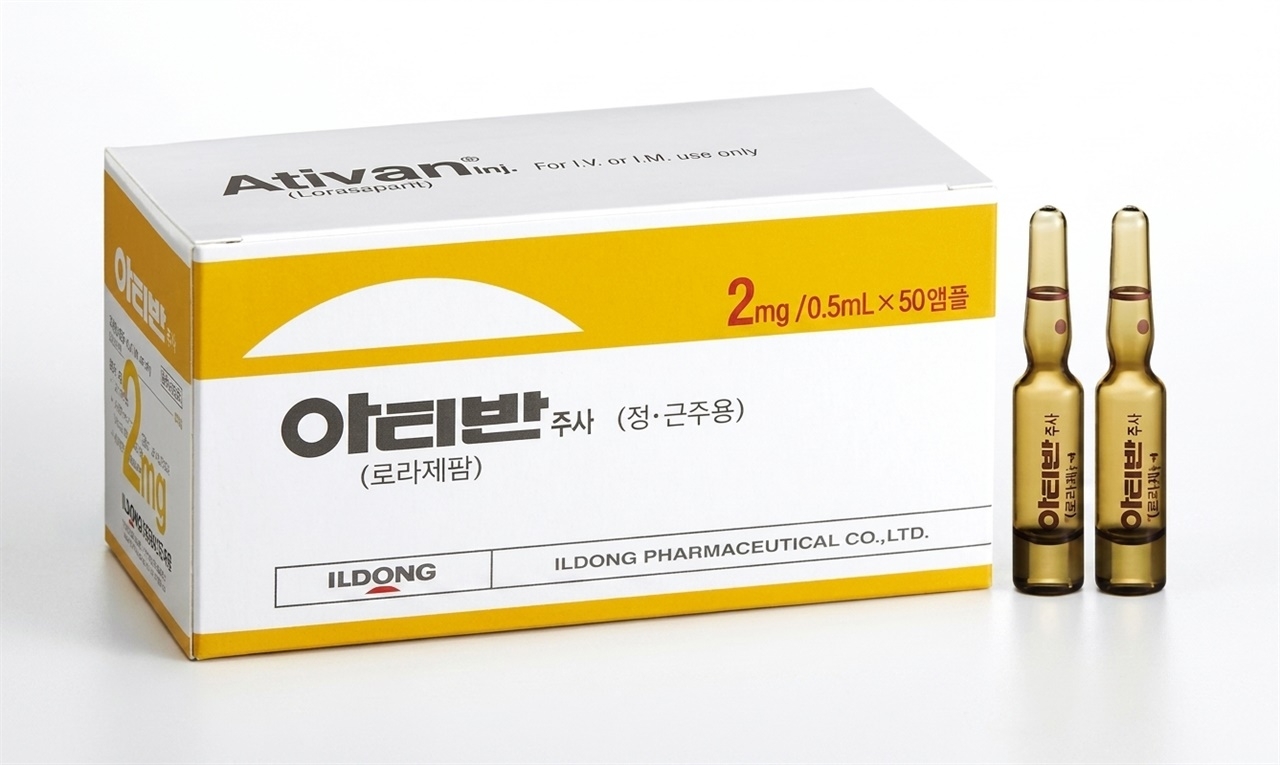
South Korea is facing a looming shortage of injectable lorazepam, an emergency drug used to treat acute seizures and severe agitation, after the country’s sole domestic producer halted production amid tighter manufacturing rules and low government-set prices.
Doctors warn that supplies of the medication, sold under the brand name Ativan, could run out within months, forcing hospitals to rely on substitute drugs that may carry greater risks or require more intensive monitoring.
The case has renewed debate over whether Korea’s tightly controlled reimbursement system is making it harder to maintain supplies of low-profit but medically essential medicines.
Supplies near depletion
According to local media reports Monday, hospital officials expect existing stocks of injectable lorazepam to be depleted within two to four months, after Ildong Pharmaceutical ended production in December. The halt left Korea without a domestic producer of a drug long regarded as a key emergency treatment for seizure patients.
Lorazepam injections are used in emergency rooms and hospitals to control acute seizures and severe agitation, particularly in cases where patients cannot take oral medication.
“Ativan is the first-line treatment for acute pediatric seizures. It places less metabolic burden on the liver while acting immediately and maintaining its effects for a relatively long time, making it difficult to replace with other medicines,” said Choi Yong-jae, president of the Korea Children's Hospital Association.
The injection is also used in psychiatric hospitals and emergency settings to manage severe agitation, suicidal impulses and seizure episodes, particularly when patients are unable to take oral lorazepam because of concerns over airway obstruction, according to an official from the Korean Medical Association.
Doctors say available substitutes may be less suitable in certain cases, especially for children or patients requiring urgent stabilization. Some alternatives can suppress brain activity more strongly, requiring closer monitoring and, in severe cases, preparation for assisted ventilation.
Price, rules squeeze production
Ildong Pharmaceutical had manufactured the drug domestically since 1982. It decided to halt production after the Ministry of Food and Drug Safety tightened sterile drug manufacturing standards under the revised Good Manufacturing Practice rules aligned with international guidelines under the Pharmaceutical Inspection Co-operation Scheme.
The rules, which took effect in December, require manufacturers to establish contamination control strategies for each production batch, adding new operational burdens for sterile injectable drug makers.
The tighter standards were designed to improve the safety and reliability of Korean-made medicines. But medical groups and pharmacists say the new requirements may have accelerated the discontinuation of low-profit injectable products, whose prices remain tightly capped under the national health insurance system.
Despite its medical necessity, Ativan has generated relatively low returns compared with high-volume chronic disease medicines such as hypertension or diabetes treatments.
The drug had continued to be supplied largely through government support mechanisms. But its reimbursement price of 782 won ($0.52) for a 2-milligram dose, typically used for a 40-kilogram patient, has been cited as a factor discouraging manufacturers from maintaining dedicated production lines.
“While keeping prices low, the government imposed changes requiring billions of won in investment, leaving patients without medicine,” Choi said.
Medical groups argue that the shortage reflects a broader structural problem: Essential medicines urgently needed in clinical practice often generate too little revenue for private companies to keep producing them, especially when additional regulatory costs are imposed.
Calls grow for government role
The Drug Safety Ministry has said it was consulting with the pharmaceutical industry to prevent Ativan supply disruptions. But criticism is mounting that few concrete measures were taken despite Ildong Pharmaceutical having announced in June last year that it would halt production.
Experts say the government should expand support for low-demand essential medicines to prevent recurring shortages of critical drugs and medical devices.
Some argue that the public sector should directly manufacture or secure production capacity for products that are indispensable but commercially unattractive.
They point to past supply disruptions, including the 2019 suspension of artificial blood vessel supplies, as evidence that Korea remains vulnerable when essential medical products depend heavily on a small number of private suppliers.
“Old essential medicines are not areas requiring cutting-edge technology, and national demand can be forecast,” said Good Pharmacists, a Seoul-based group.
“Rather than relying solely on the goodwill of private companies, the public sector needs to take direct responsibility for production.”
Lee Ju-young of the minor Reform Party, a former emergency medicine physician, also called for a stronger government role in supporting the production of essential medical products.
“Without Ativan, doctors must move to second-line drugs that effectively suppress brain activity and prepare patients for mechanical ventilation,” Lee said.
“Even if only a small number of people need them, if such medicines are directly tied to public safety and lives, the government cannot neglect them simply because they are less publicly visible or politically rewarding.”
forestjs@heraldcorp.com