The Asian Games are being considered for a shift from even-numbered to odd-numbered years, following recommendations from the International Olympic Committee.
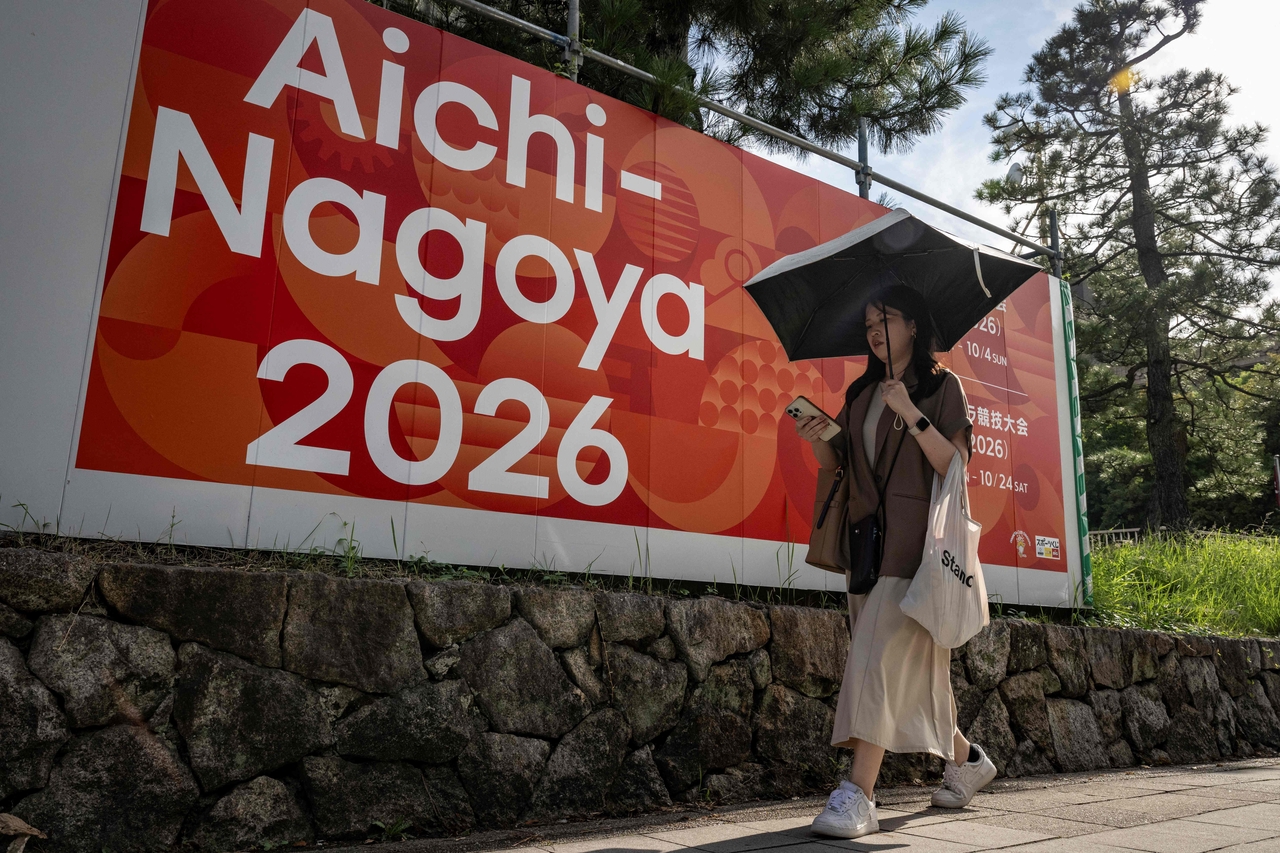
If the proposal is approved, the 2026 Aichi–Nagoya Asian Games would proceed as scheduled. However, subsequent editions, Doha 2030 and Riyadh 2034, would be pushed back by one year to 2031 and 2035, respectively.
The move, however, raises concerns over a potential 5-year gap between the 2026 Games and the rescheduled Doha edition in 2031.
Olympic-focused news outlet Inside the Games reported Monday that the Olympic Council of Asia is actively discussing restructuring the Asian Games schedule to fall on odd years.
The proposed shift is intended to position the Asian Games as a final preparatory stage ahead of the Summer Olympics, held just 1-year prior, allowing athletes to fine-tune their form in a high-level competitive environment. Traditionally, the Games have been staged every 4 years in even-numbered years, alternating with the Olympic cycle.
A similar model is already in place across other continental multisport events, including the Pan American Games, European Games and African Games, all of which are held in the year preceding the Olympics.
The proposal also reflects broader concerns over calendar congestion, as even-numbered years are already crowded with major global sporting events such as the Winter Olympics, the FIFA World Cup and numerous world championships across individual sports.
(This article was produced with the assistance of AI. — Ed.)
khnews@heraldcorp.com