March plunge in Middle East flights gives way to April recovery
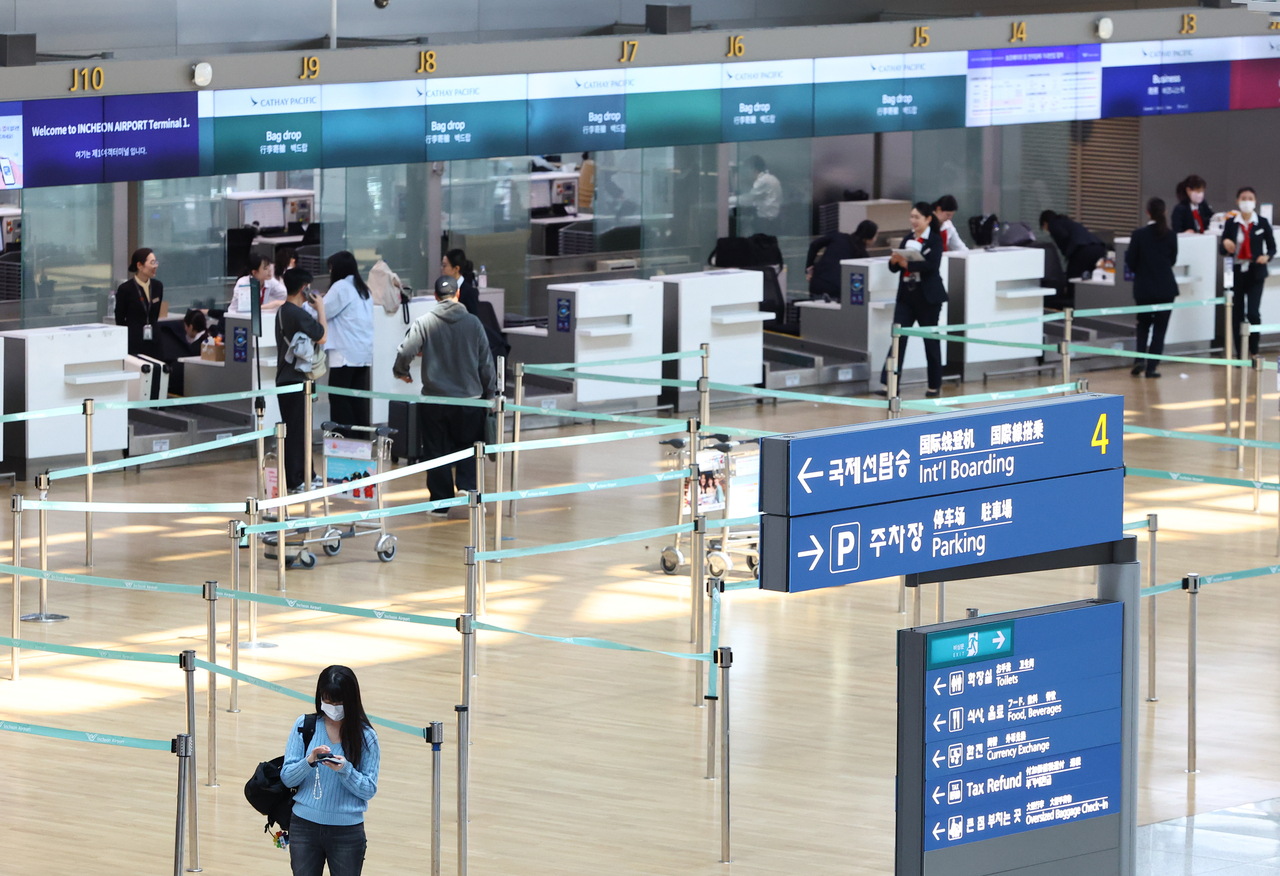
Incheon International Airport Corp. reported higher revenue and passenger traffic in the January-March period, as steady demand on key regional routes held up despite a weak won and elevated oil prices.
The airport operator said Tuesday that first-quarter revenue rose 5.4 percent to 706.8 billion won ($480 million), while operating profit increased 1.9 percent to 230.2 billion won. Profit growth lagged revenue due to higher outsourcing costs and depreciation expenses.
Passenger traffic reached 19.78 million in the first quarter, up 7 percent from a year earlier. Firm demand on Japan and China routes offset declines in Southeast Asia and Middle East traffic, which fell 4.7 percent and 16 percent, respectively, amid security concerns and reduced flights.
Cargo volumes rose 2.4 percent to 712,000 metric tons on strong exports of cosmetics and semiconductors.
The airport operator said geopolitical tensions, such as the war in the Middle East, had no immediate impact on passenger demand but could disrupt it in the near term.
“As of late February, passenger demand from full-service carriers has remained stable, but declines led by low-cost carriers have begun to emerge,” an IIAC official said. “If Level 33 measures are implemented from May, a further drop in passenger traffic is expected.”
Fuel surcharges for international tickets issued in May have been raised to Tier 33, the highest level under the current system, following a sharp climb in global jet fuel prices.
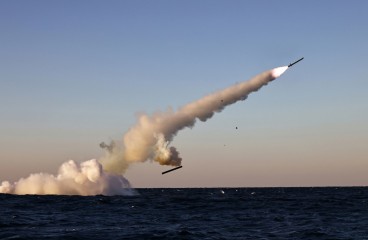
“Regular flights to the Middle East fell 78 percent in March from the previous month, but operations are recovering from April,” the official added.
Under a base-case scenario, IIAC expects passenger traffic to rise about 2 percent in 2026 to 75.07 million from 73.56 million in 2025.
The airport operator also highlighted progress in its maintenance, repair and overhaul initiative within the airport’s High Tech Aviation Complex.
The 2.35 million-square-meter project aims to attract maintenance and conversion operations by 2032 and is expected to create about 5,000 jobs and generate roughly 1 trillion won in annual economic impact over the next decade.
IIAC has secured one conversion facility and two maintenance facilities and plans to add a painting hangar. The first aircraft, a Boeing 777, is scheduled to arrive later this month for conversion into a cargo plane, with delivery expected in October.
minmin@heraldcorp.com