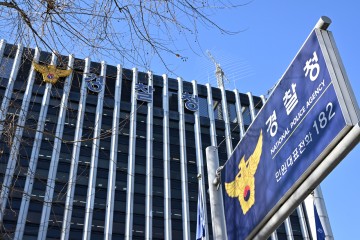
A South Korean court has rejected a lawsuit filed by a member of Jehovah’s Witnesses seeking to ease the residential requirement for alternative military service and permit commuting.
The ruling maintains the judiciary’s consistent stance that alternative service personnel must live on-site without exception, despite ongoing criticism that the requirement is punitive.
According to local media on Monday, the Seoul Administrative Court recently dismissed a case filed against the heads of the Military Manpower Administration and the Justice Ministry.
The plaintiff, a conscientious objector who had completed his alternative service, filed the suit after authorities denied his request to switch to a commuting arrangement during his service. The case was intended as a preliminary step toward seeking damages and preventing similar measures in the future.
Since South Korea introduced an alternative service system for conscientious objectors in 2020, those refusing military duty on religious grounds have been assigned to correctional facilities for 36 months, longer than the 18-month Army service and 21-month Air Force service.
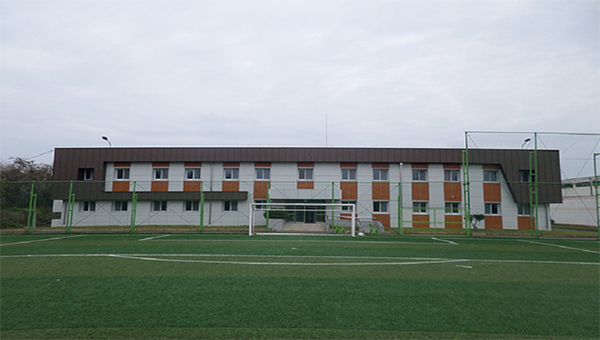
Jehovah’s Witnesses prohibit participation in war-related activities, including military training, based on their doctrine. The plaintiff had worked at a correctional facility in Hwaseong, Gyeonggi Province, from October 2021.
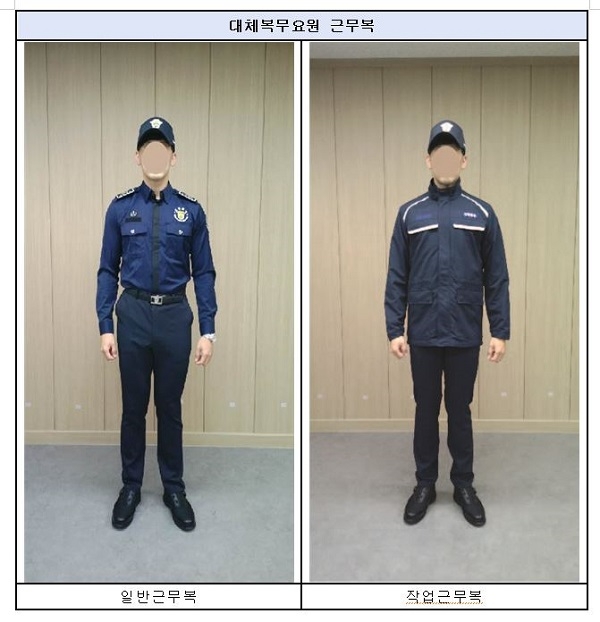
While Korean law allows certain active-duty personnel to commute under specific conditions, such as child care, the plaintiff applied for a similar arrangement after his wife gave birth in September 2022. The Justice Ministry rejected the request in May 2025.
He argued that the denial amounted to arbitrary discrimination against alternative service personnel.
However, the court ruled that neither the Act on Assignment to and Service of Alternative Work nor the constitutional right to freedom of conscience requires the government to permit commuting arrangements.
The court also said the lawsuit targeted authorities that lack the legal authority to grant such a right, and therefore did not examine the substance of the plaintiff’s claims.
The residential requirement has long been criticized as a punitive element of the alternative service system, along with its extended service period. Civic groups argue that the system runs counter to the United Nations Human Rights Committee’s position that alternative service should not be punitive.
However, the Constitutional Court ruled in 2024 that both the residential requirement and the length of service are constitutional.
Amid ongoing criticism, the Justice Ministry is considering introducing a commuting system for alternative service personnel. A ministry official said at a National Assembly conference in January that the issue is under review.
forestjs@heraldcorp.com