Virtual reality concerts are steadily gaining traction among K-pop fans, emerging as a more accessible way to experience live performances beyond traditional venues.
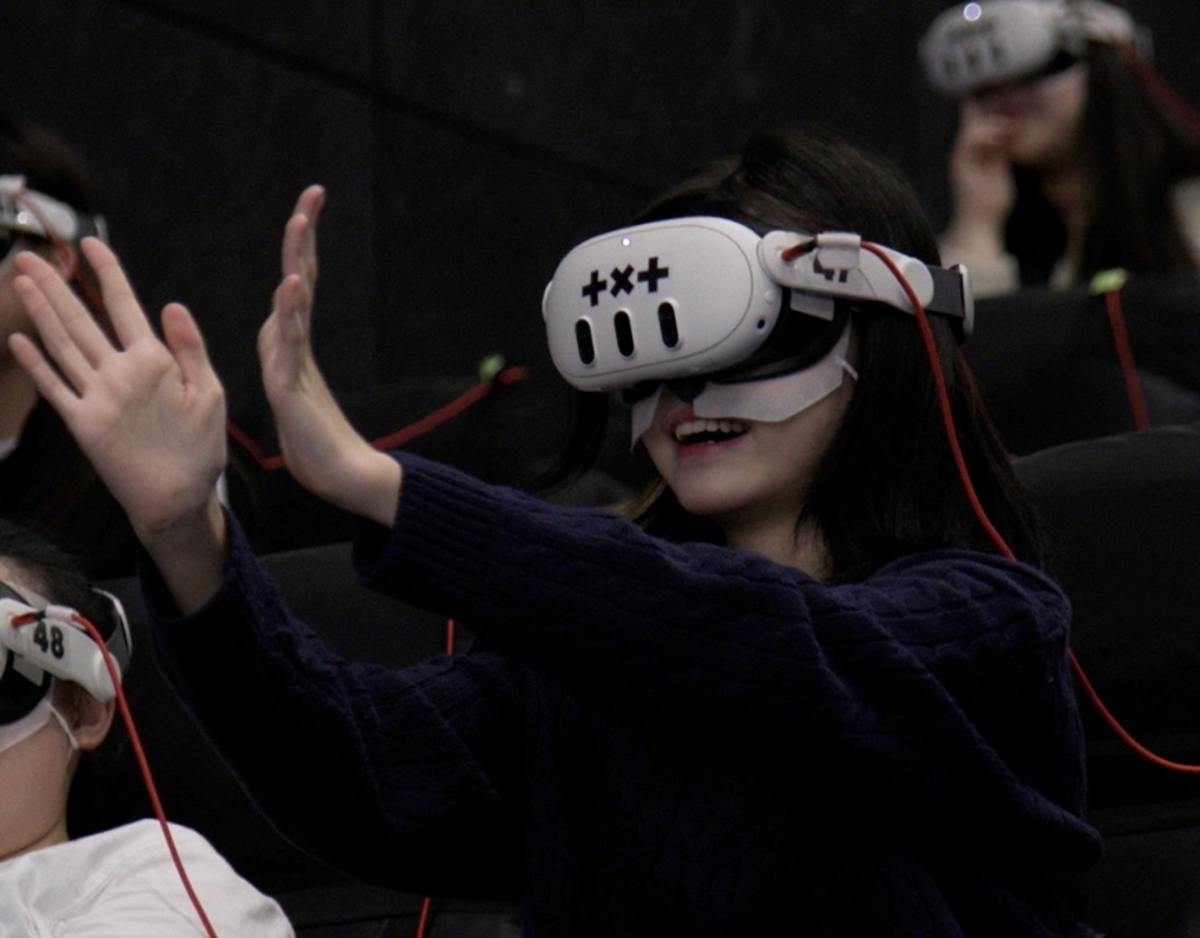
At a VR concert, viewers wear headsets that immerse them in a highly personalized concert environment — one that can feel as if the artist is performing just for them. By tracking hand gestures, the system allows viewers to interact with the experience, from selecting story elements to focusing on individual members during performances.
Combining ultrahigh-definition visuals with 360-degree views, these screenings aim to re-create the atmosphere of a live concert. For fans fatigued by increasingly competitive and costly ticketing, cinemas offering VR concerts at around 33,000 won ($22) — significantly cheaper than traditional concerts — are emerging as a popular alternative.
"Getting tickets to see my favorite idols has become so stressful," said Lee Da-ae, 27. "Not only are they getting more expensive, but the whole process is draining, as I find myself constantly competing for better seats with people who have faster computers."
"But with VR concerts, I don’t have to worry about that," she added. "I can get tickets more easily at a lower price, while still feeling close to the artist — maybe even closer than at a real concert."
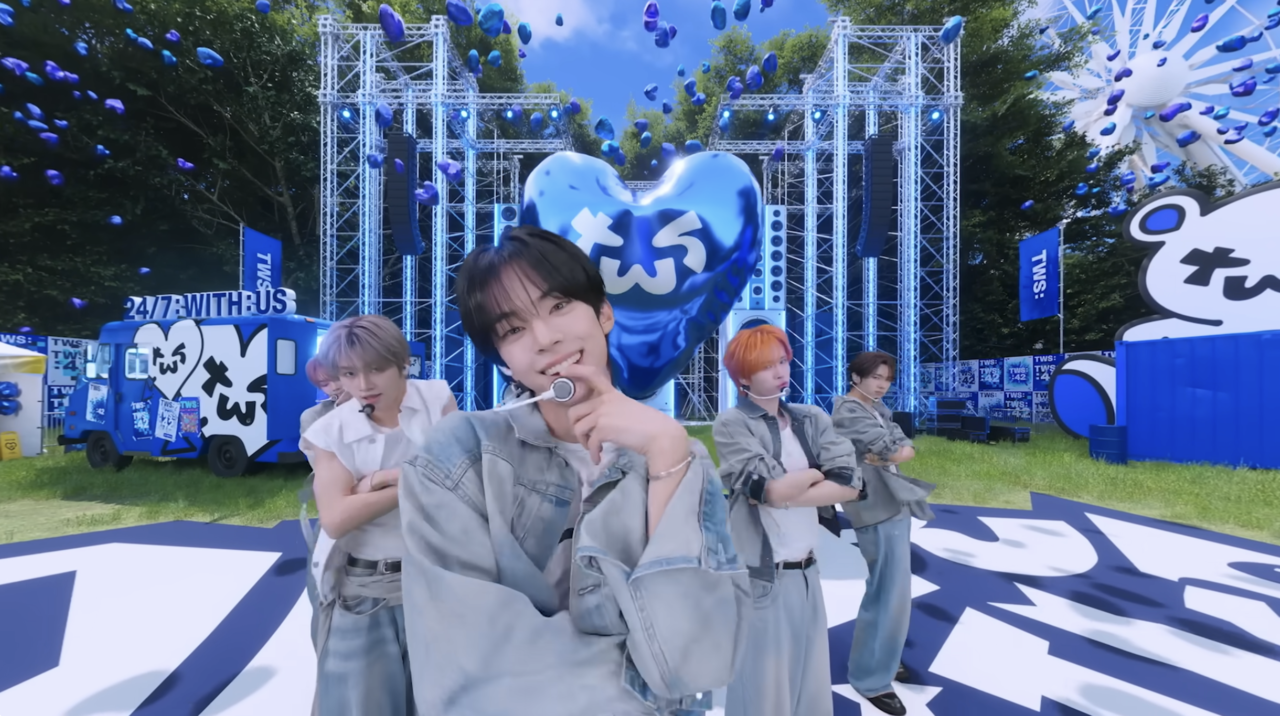
Lee, a fan of boy band TWS, recently attended the group’s first VR concert, "Rush Road," which premiered at the Megabox Coex in southern Seoul on March 4 and has since extended its run through April due to strong demand.
The concert has gone viral on social media in Korea for its high production quality, with viewers saying the band appeared so close it felt as if they were within arm’s reach. As of Wednesday, "Rush Road" ranked No. 2 on Megabox’s movie charts with a 9.9 rating.
"The concert exceeded my expectations," Lee said. "They felt incredibly close — almost close enough to see even the smallest details on their faces. It felt more immersive and intimate than a typical concert."
"Rush Road" features a range of immersive settings, allowing viewers to feel as though they are part of the performance rather than simply watching it. Visual elements include a rock festival backdrop and nature-inspired landscapes, further enhancing the experience.
Within the film industry, performance-based content — including VR concerts, concert screenings and documentaries — has emerged as a distinct and growing segment.
According to the Korean Film Council, such content accounted for roughly 3.5 to 5 percent of total domestic box office revenue as of February 2026. The organization noted that concert screenings, initially seen as a postpandemic strategy to revive theaters, have since evolved into a high-value segment through the integration of VR technology.
Audience data also shows strong repeat viewership. VR concertgoers attended screenings an average of 2.4 times per person — more than double that of conventional films, which average 1.1 viewings. The branching format, which allows cinemagoers to select different perspectives, as well as shifting concepts across songs, is seen as a key driver behind repeat attendance.
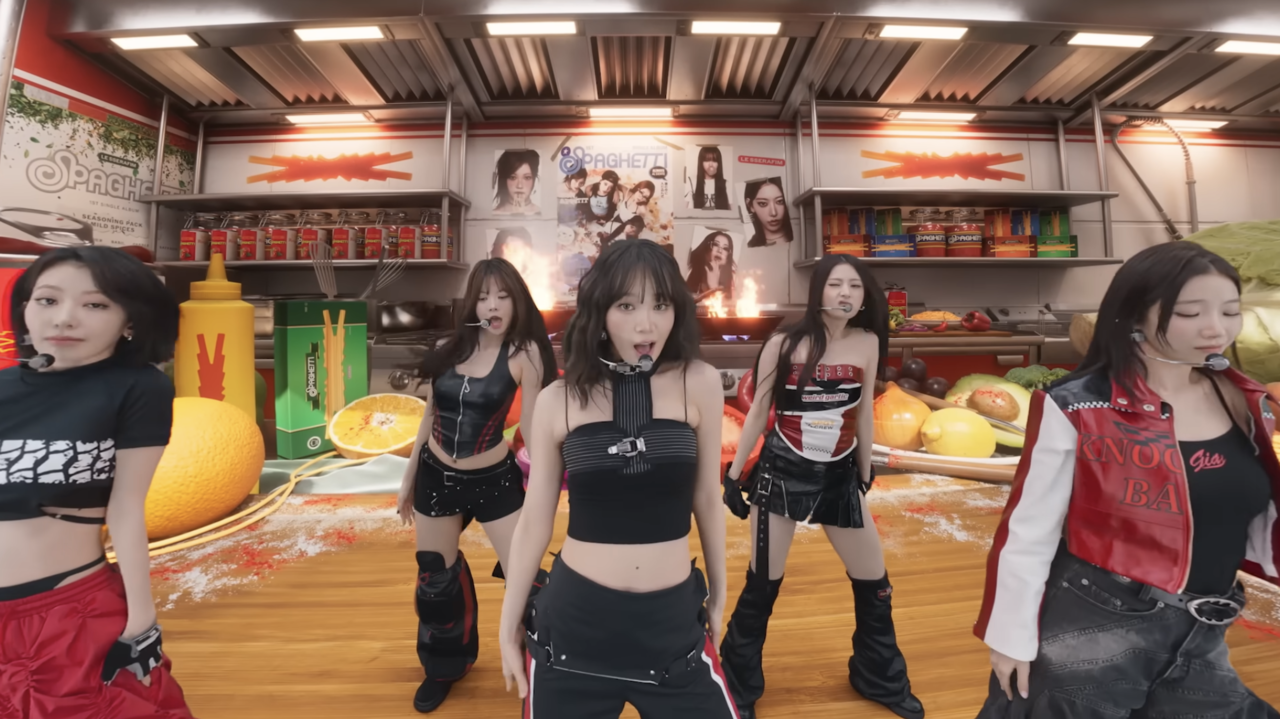
Other artists are also expanding into the format. Girl group Le Sserafim is set to release its first VR concert, "Invitation," at Lotte Cinema World Tower, also in southern Seoul, on April 15, inviting fans into a fictional setting centered on a red planet. Production company Amaze said particular attention was paid to enhancing realism through detailed performances and production design.
Earlier examples have also demonstrated the format’s commercial potential.
Ateez's "Light the Way" recorded a 9.9 audience rating with Megabox and maintained an average seat occupancy rate of around 30 percent, indicating sustained demand. Tomorrow X Together’s "Heart Attack" drew approximately 230,000 viewers across 28 cities, with more than 90 percent of revenue generated overseas. Acts such as Enhypen have also brought VR performances to dozens of cities and theaters worldwide.
Industry officials say the combination of K-pop’s global fan base and immersive technology is shaping a new model for live entertainment.
"The integration of strong artist IP (intellectual property) with VR technology has established a new type of performance business that transcends physical limitations," an industry official said. "For global fans unable to attend concerts in person, it offers a viable alternative, while for domestic audiences, it provides a more immersive form of experiential content."
lee.jungjoo@heraldcorp.com