If you’re in Korea in April, you’ve arrived at one of the tastiest times of year. Spring brings a wave of fresh, fragrant ingredients that have long been enjoyed around Korean tables, despite many only being available for a short window.
Seasonality matters deeply in Korean cuisine. Ingredients harvested in their natural cycle are prized for their freshness, flavor and nutritional value. Experts say they retain higher levels of vitamins and minerals, along with a stronger aroma and deeper taste.
Here’s a guide to this month's must-try spring ingredients, how they are enjoyed, and why they are valued — a true taste of spring.
Mugwort (ssuk)
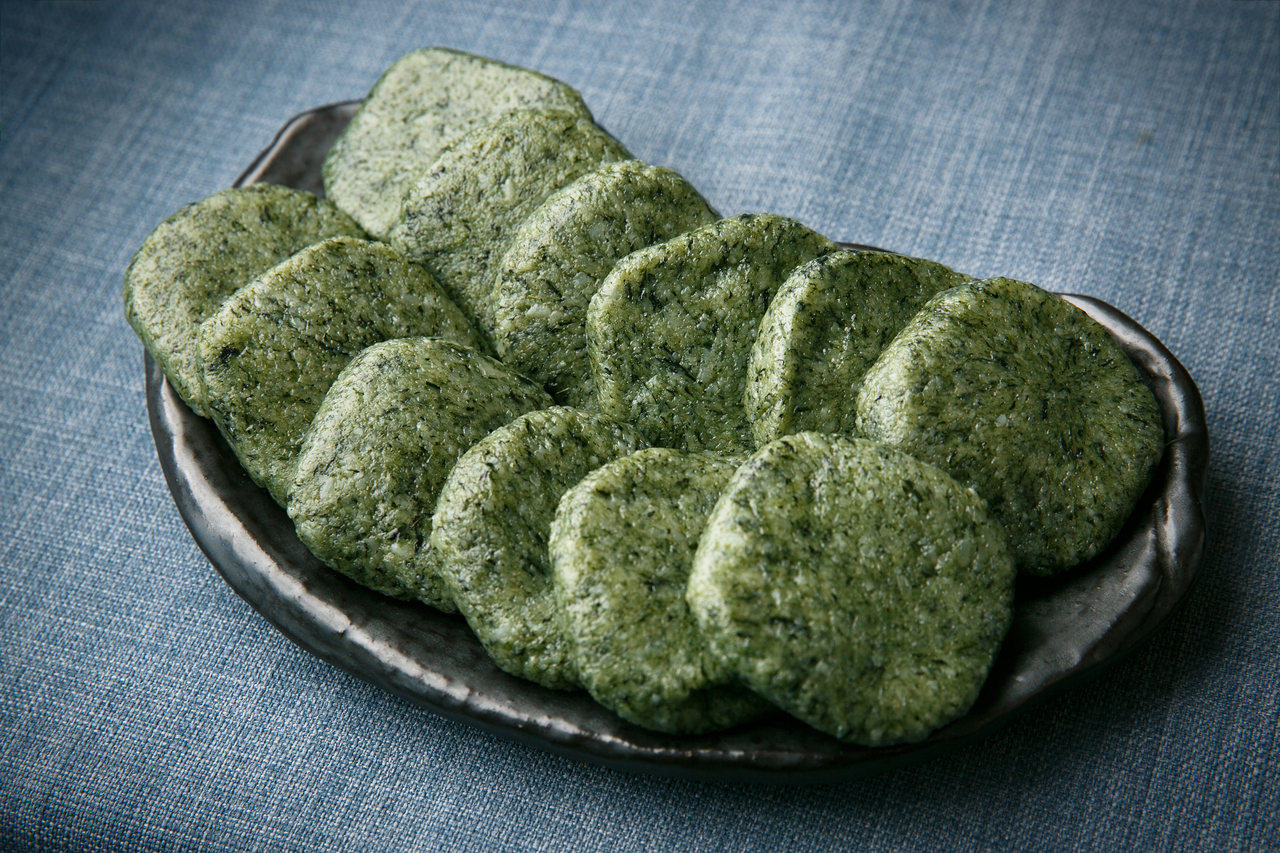
Ssuk, or mugwort, carries an earthy fragrance that signals the arrival of spring and has been a staple in Korean homes for centuries. When freshly harvested, its aroma is bright, slightly bitter and deeply soothing.
It is commonly used in rice cakes, soups and savory pancakes to add flavor and color to seasonal dishes.
Mugwort is also valued in traditional Korean medicine for its warming properties and role in aiding digestion. It is often seen as a natural way to restore balance after winter, when many people feel sluggish and heavy.
Rich in chlorophyll, vitamins and minerals, mugwort is believed to help boost energy, prompting many Koreans to seek it out for its restorative qualities.
Shepherd’s purse (naengi)
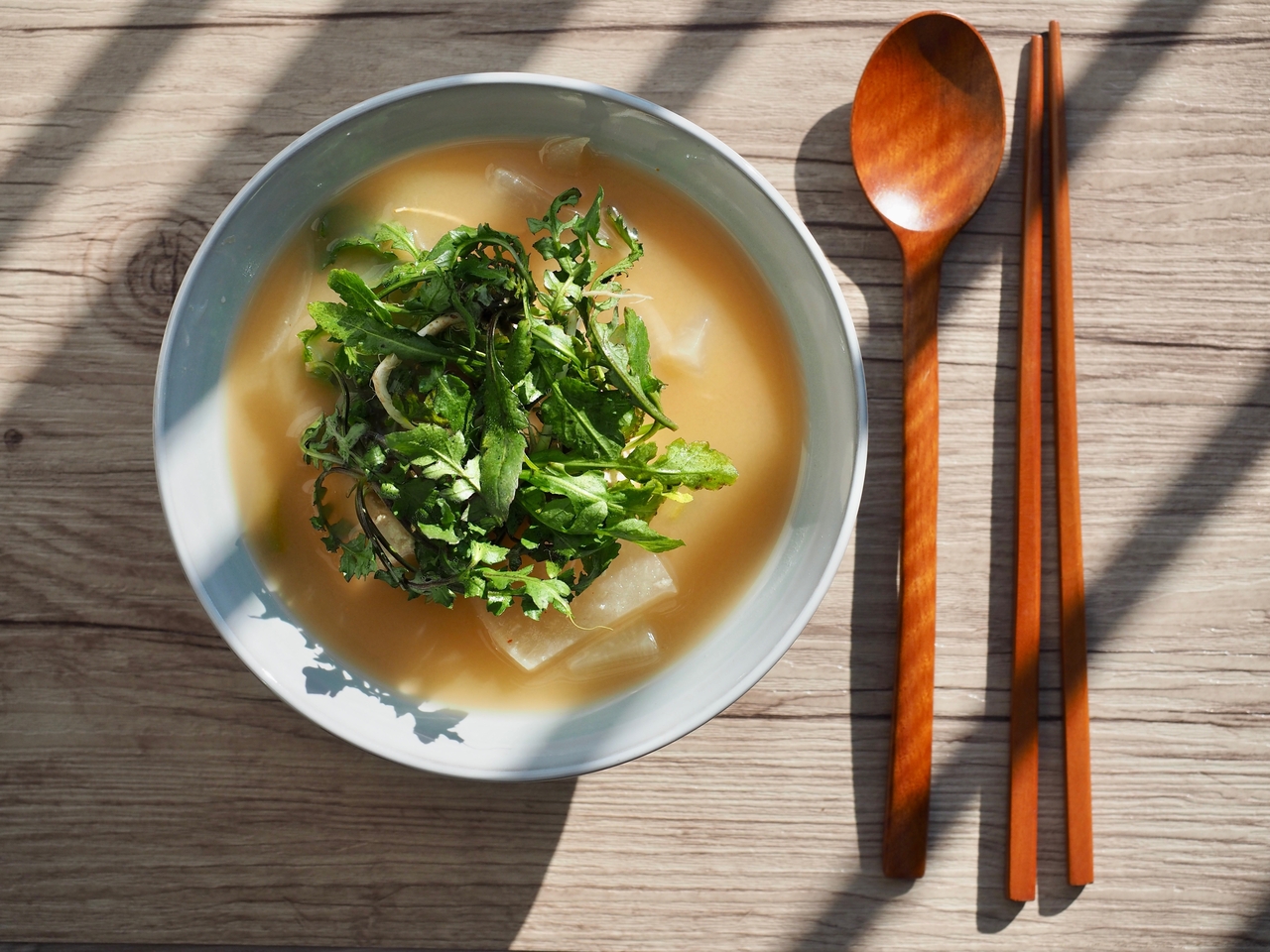
Naengi, or shepherd’s purse, is one of the first spring greens to appear, often sprouting before the weather fully warms. Koreans prize it for its distinctively fresh yet robust scent: a bold and nutty aroma that sits somewhere between herbs and wild greens.
It is most commonly used in doenjangguk, or soybean paste soup, where its depth enhances the broth with a warmth that feels almost restorative.
Nutritionally, naengi is rich in vitamin C and calcium, making it a natural choice for those battling spring fatigue. Korean families often say it helps “wake up” the body.
After months of winter dishes heavy in salt or spice, naengi’s sharp, refreshing character helps cleanse the palate and lift the mood, signaling the arrival of lighter, greener days.
Wild chives (dalrae)
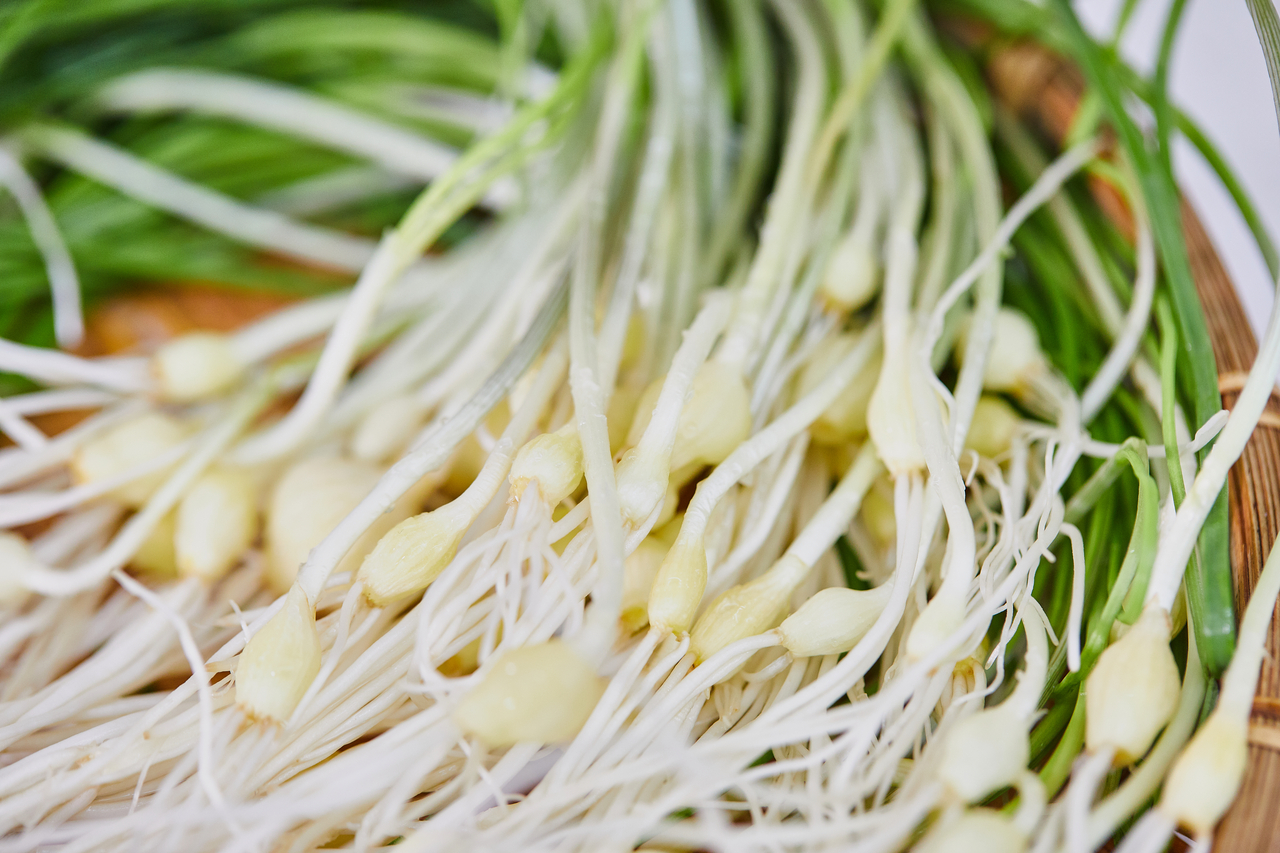
Dalrae, or wild chives, may look modest, but their flavor is anything but. Think of chives and garlic combined into one. As soon as it hits the cutting board, its sharp, peppery scent fills the kitchen and instantly whets the appetite.
Koreans often mix dalrae with soy sauce to make a dipping sauce for grilled meat, or add it to salads and soups. It is also enjoyed raw, tossed with vegetables in a tangy, spicy salad known as muchim, a common Korean side dish.
Dalrae contains compounds believed to promote circulation and metabolism, making it a popular choice for those who feel sluggish in early spring. Its bright aroma is also known to stimulate appetite and refresh the senses.
In many households, the first spoonful of dalrae doenjang soup serves as a small but powerful reminder that winter’s heaviness has given way to spring.

Minari

Many foreign nationals first encountered minari through the Oscar-winning Korean American film of the same name, where the plant serves as a symbol of resilience and new beginnings.
Koreans likely picked up this symbolism almost immediately, as they know the plant to be hardy, adaptable and quietly resilient — much like the family in "Minari."
The plant has long been a staple in Korean kitchens. When fresh, its crisp, refreshing flavor helps cut through rich dishes, while its clean, watery fragrance is often described as the “scent of spring water.”
In Korean cuisine, minari is commonly used in salads, seafood stews and pancakes. It is also regarded as a detoxifying ingredient believed to support liver health. After a winter of rich, heavy meals, many Koreans turn to minari to “reset” their bodies.
Rich in fiber and minerals, it is considered hydrating and cleansing, making it well-suited for restoring.
Webfoot octopus (jjukkumi)
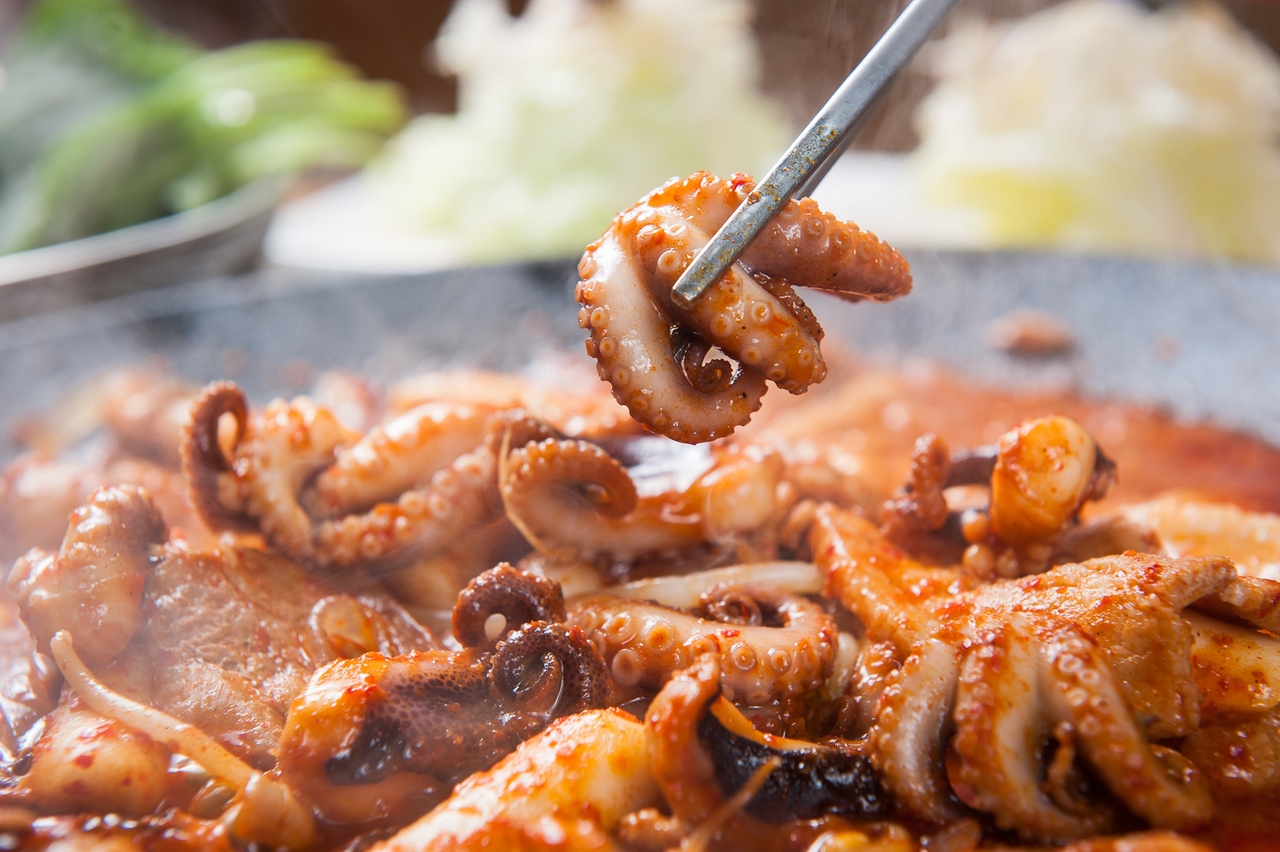
Among Korea’s spring foods, jjukkumi — known internationally as webfoot octopus — is perhaps the most beloved. Though it can be eaten year-round, April is the month when it tastes its best. As it prepares for spawning in May and June, the octopus becomes firmer, sweeter, and fuller in flavor. This tender seafood ingredient goes well with everything from spicy stir-fries to hot pot.
According to the National Institute of Fisheries Science, jjukkumi is impressively nutritious. It contains only 52 calories per 100 grams, yet is rich in protein (10.8 g).
It’s no surprise that many Koreans view it as the perfect diet food. Even more remarkable is its taurine content: 1,600 mg per 100 g, the highest among mollusks.
Taurine helps relieve fatigue, enhance concentration, lower cholesterol, and support heart health. After a long day or during a sluggish spring afternoon, Koreans often say jjukkumi is the ultimate stamina booster.
Jjukkumi also contains DHA, which aids in memory and cognitive function, while its iron content helps prevent fatigue and anemia.
When stir-fried with a deep red gochujang sauce, its flavor becomes spicy, smoky, and irresistible. When lightly boiled for shabu-shabu, it remains sweet and tender.

Sea snail (Sora)
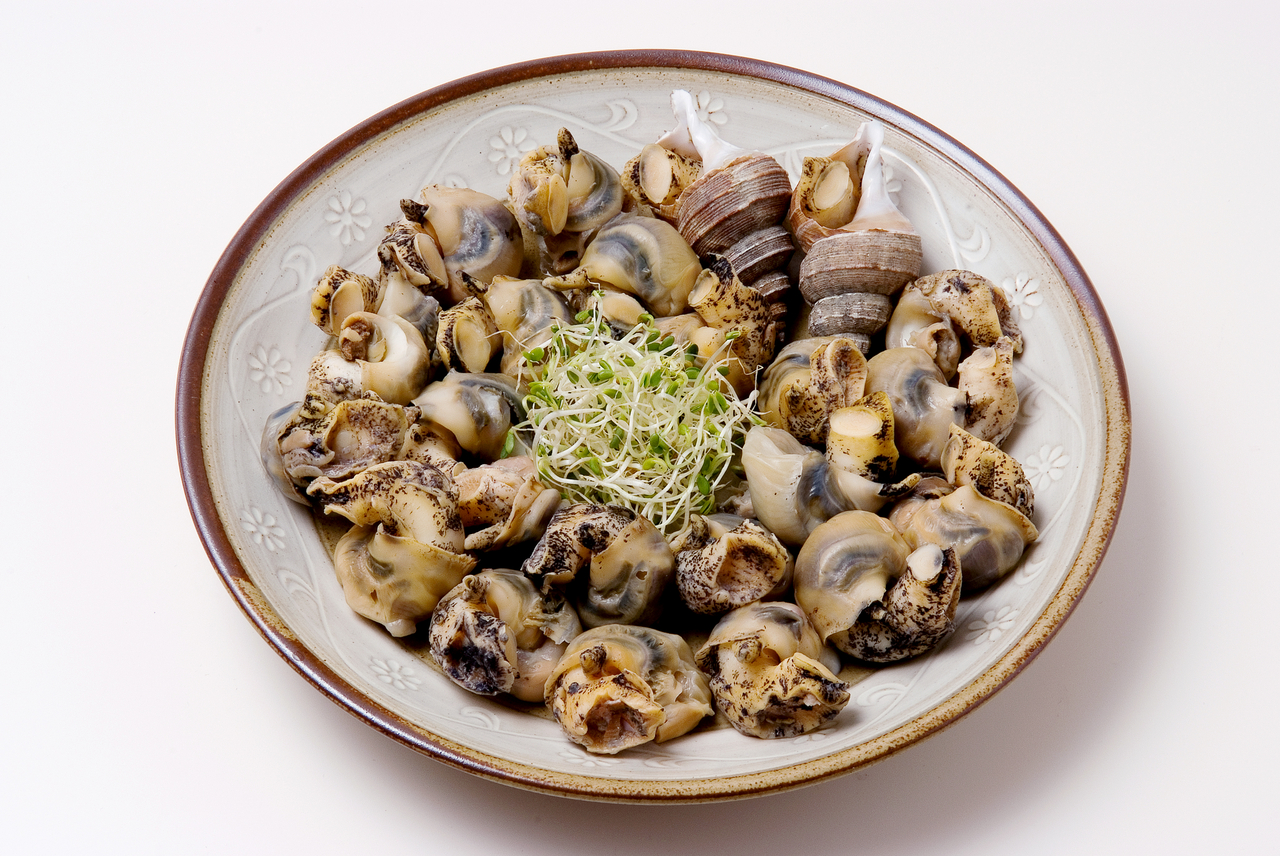
From March to June, Korea’s seas yield plump, fragrant sora, or sea snails. Cham-sora is the most commonly enjoyed variety, reaching peak flavor between April and May. Its texture is chewy yet clean, with a deep ocean aroma that pairs well with spicy sauces or fresh vegetables.
Sora is rich in arginine, an amino acid associated with immune support, skin regeneration and men’s health. It also contains DHA, making it a popular choice among older adults seeking to support cognitive function. Low in calories yet high in nutrients such as vitamin A, it is also valued for helping to protect eyesight and reduce eye fatigue.
Sora is often eaten raw or blanched, then dipped in a vinegar-gochujang mix. It is also used in salads, bibimmyeon, stir-fries and even deep-fried dishes.
However, one important rule exists: the white part of its digestive gland must be removed, as it contains tetramine, a natural toxin that can cause vomiting or abdominal pain. Koreans typically soak the snails in clean water for 30-60 minutes, boil them, then use a toothpick to remove the meat safely.
jychoi@heraldcorp.com