W200b investment targets UAVs, aircraft parts as Busan builds aviation hub
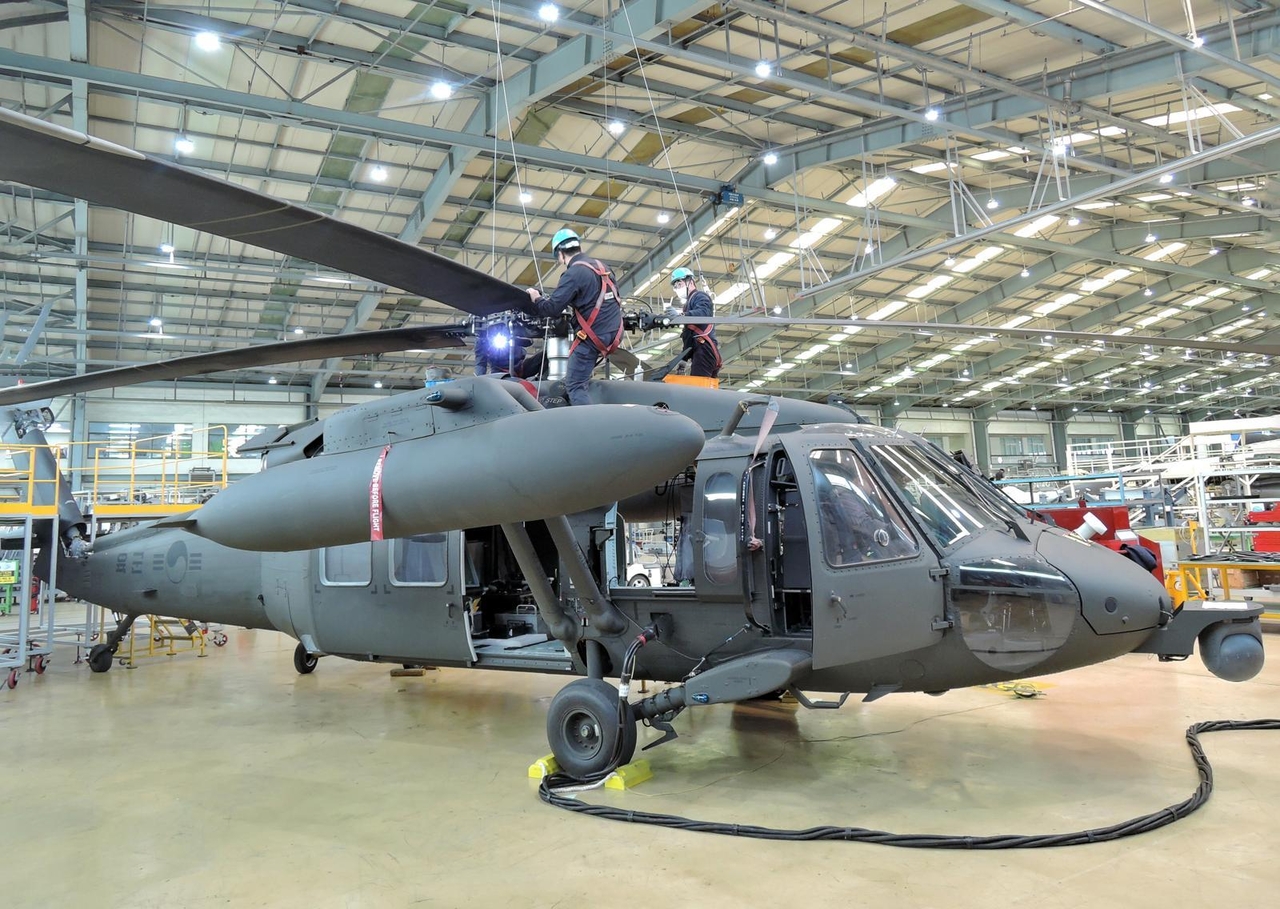
South Korea's leading carrier Korean Air announced Monday its plan to build a new manufacturing facility at its existing Busan aerospace complex, casting the southern port city as a strategic base for boosting its aerospace and drone production capacity.
The carrier signed a memorandum of understanding with the Busan Metropolitan Government to invest 200 billion won ($132 million) in the new factory, which will be built on a plot within Korean Air's Busan Tech Center — one of Asia's largest aircraft maintenance and manufacturing complexes.
The new facility, covering roughly 52,900 square meters, will function as a production center for next-generation uncrewed aerial vehicles, commercial aircraft components and military aircraft modification and upgrades, with completion slated for 2029.
Korean Air said the investment reflects a deliberate push to gain ground in the fast-growing global drone market, where demand is projected to spread well beyond defense into logistics, disaster response, agriculture and leisure.
"This is a strategic decision to lead the global UAV market and secure next-generation aircraft manufacturing capabilities," said Woo Kee-hong, vice chair of Korean Air, at the signing ceremony Monday.
"We will transform the Busan Tech Center into a cornerstone of the future aerospace industry, driving local economic growth and elevating the competitiveness of Korea's aviation sector."
The aerospace division of Korean Air posted revenue of 780 billion won last year, up 31 percent on-year, driven by military aircraft upgrades and drone programs. The division has set a revenue target of 1 trillion won for this year.
For Busan, the deal — the largest aerospace investment the city has ever attracted — carries broader strategic significance, as the city is developing an industrial cluster centered on aviation, tied to the planned Gadeokdo New Airport project. Officials said they plan to use the deal as a catalyst to attract additional investment across the aerospace value chain.
"We will provide full administrative and financial backing to ensure Korean Air serves as the anchor of Busan's future aviation cluster," Busan Mayor Park Heong-joon said. "Our goal is to make western Busan the heart of the future aerospace industry."
minmin@heraldcorp.com