South Korea’s debate over retail regulation has finally caught up with reality. After more than a decade of treating large discount stores as a threat to be contained rather than a sector to be governed, the ruling Democratic Party of Korea and the government are considering relaxing overnight delivery restrictions on big-box retailers.
한국의 유통 규제 논쟁은 드디어 현실을 직시하게 되었다. 대형할인점을 관리해야 할 분야가 아니라 억제해야 할 위협으로 취급을 해온지 10여년이 지나서야, 여당인 더불어민주당과 정부는 대형마트의 새벽배송 제한 완화를 고려하고 있다.
The shift is overdue. It exposes how rules designed to protect small merchants reshaped the distribution market in ways lawmakers never intended.
변화는 진즉 일어났어야 한다. 소상공인 보호 목적으로 만들어진 법은 제정 당시에는 누구도 의도치 않았던 방식으로 유통업계를 재구성했다는 것이 드러났다.
Under the Distribution Industry Development Act, large discount stores and corporate supermarket chains face strict operating limits, including suspending operations from midnight to 10 a.m. and closing twice a month. These restrictions extend to online orders, barring overnight packaging and delivery work.
유통산업발전법에 따라 대형할인점과 기업형 슈퍼마켓 체인들은 자정부터 오전 10시까지 영업을 중지하고 월 2회 휴점하는 것을 포함한 엄격한 영업 규제를 받는다. 이러한 규제는 온라인 주문까지 포함해 야간 포장 및 배달이 불가하다.
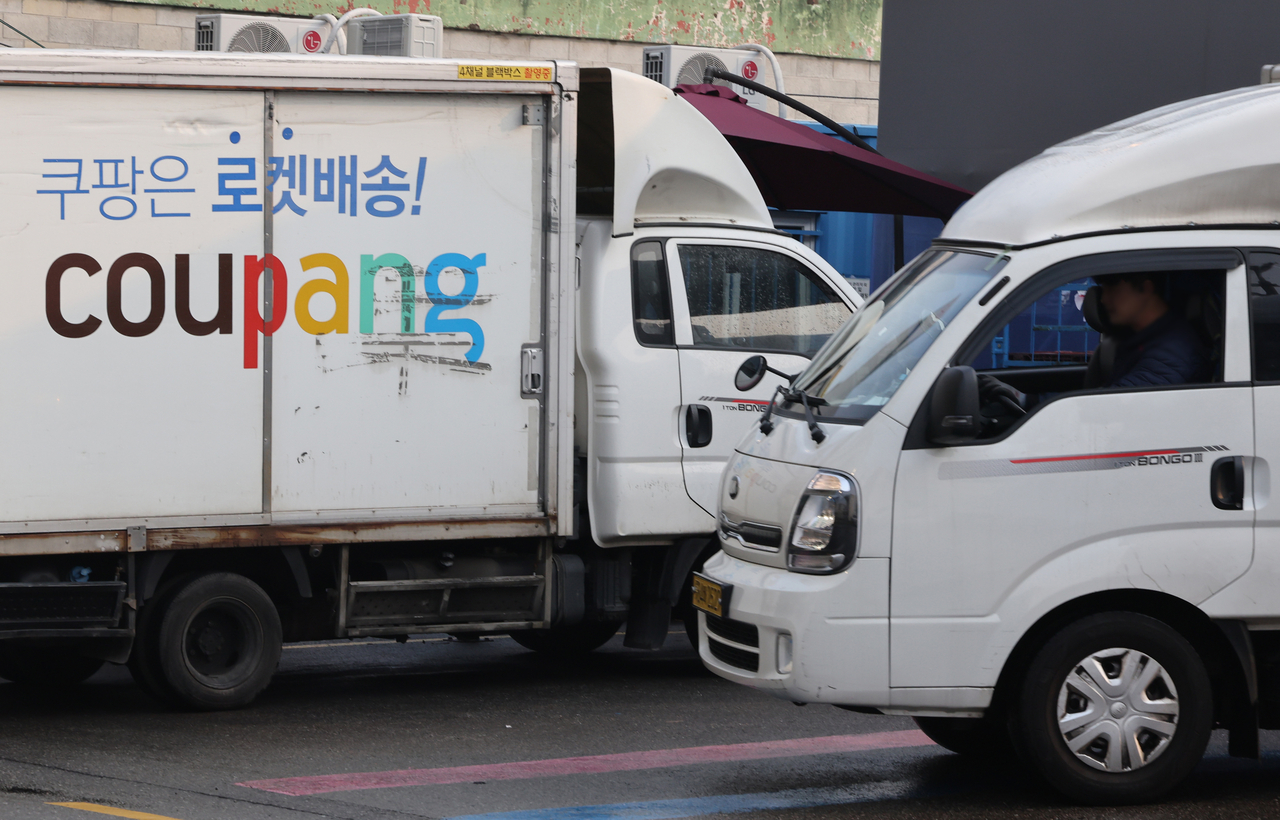
Online-only platforms operate under no such constraints. Coupang’s dawn and overnight delivery services expanded precisely during the hours when offline retailers were legally prohibited from operating.
이커머스 플랫폼들은 그러한 규제에서 자유롭다. 오프라인 유통업체들이 법적으로 영업을 제한받는 바로 그 시간을 포착해 쿠팡의 새벽배송 서비스는 덩치를 키웠다.
These rules were introduced in 2013 with clear intentions. Lawmakers sought to protect traditional markets, curb late-night commercial activity and limit excessive overnight labor. But as consumer behavior shifted toward e-commerce, the restrictions became a barrier to adaptation rather than a shield for small merchants.
이러한 법규는 2013년 분명한 목적하에 도입되었다. 입법자들은 전통시장을 보호하고 심야 상업활동을 방지하고 과도한 철야근무를 제한하고자 했다. 그러나 소비자들이 이커머스로 옮겨가면서 이러한 규제는 소상공인의 보호망이 아니라 변화에의 걸림돌이 되어버렸다.
Large discount stores were prevented from responding to demand that had already moved online. Consumers followed convenience, and regulation quietly redirected market power.
대형할인점들은 이미 온라인으로 옮겨간 수요에 대처할 수 없었다. 소비자들은 편의를 좇았고 규제는 조용히 시장의 권력구도를 재편했다.
That reality is now shaping policy. At recent working-level meetings between government officials and the Democratic Party, discussions focused on revising the law so that e-commerce transactions would be exempt from business-hour restrictions.
그러한 현실이 이제 정책의 방향을 결정짓고 있다. 최근 정부 관계자들과 민주당이 가진 실무진 회의에서 논의는 전자상거래에 영업시간 제한을 적용하지 않도록 하는 개정안에 집중됐다.
On Thursday, Rep. Kim Dong-ah of the Democratic Party introduced a bill allowing large retail stores to carry out overnight packaging, shipment and delivery for online orders without reopening physical outlets.
목요일, 민주당 김동아 의원은 대형마트로 하여금 오프라인 매장을 재개하지 않으면서 온라인 주문을 위한 심야 포장, 출하, 배송을 허용한다는 내용의 법안을 발의했다.
The argument behind the change is pragmatic rather than ideological. Restrictions meant to restrain scale instead accelerated it by pushing consumers toward platforms with fewer obligations. Coupang’s rise illustrates the result. Its annual revenue now exceeds the combined sales of domestic large discount stores, a gap widened by years of uneven regulation.
변화의 논거는 이념적이라기보다 실용적이다. 규모의 확대를 억제하고자 했던 규제가 오히려 제약이 적은 플랫폼으로 소비자의 이동을 촉진함으로써 확대에 속도를 더했다. 쿠팡의 부상이 그 결과를 잘 보여준다. 쿠팡의 연매출은 이제 국내 대형할인점들의 연매출을 모두 합친 것을 넘어섰다. 장기간의 불공평한 규제로 격차가 벌어진 것이다.
The political backdrop matters. Until late last year, the Democratic Party defended extending business-hour limits through 2029, framing them as a minimum safeguard for small merchants.
정치적 배경이 영향을 끼쳤다. 지난해 말까지 민주당은 영업시간 제한이 소상공인을 위한 최소한의 안전장치라고 주장하며 2029년까지 이를 연장하는 것을 옹호해왔다.
That position softened as criticism of platform dominance intensified. A major data leak involving tens of millions of users at Coupang underscored how lightly regulated some digital giants had become.
그러나 플랫폼 독점에 가까운 지위에 대한 비판이 커지자 그 입장은 누그러졌다. 쿠팡의 수천만에 달하는 사용자 정보 유출은 일부 이커머스 거대기업들의 규제가 얼마나 느슨해졌는지를 분명히 보여주었다.
As one ruling party lawmaker later argued, meaningful oversight of platforms requires changing the distribution structure that generates their profits.
여당의 한 국회의원이 추후 주장한대로 실효성있는 플랫폼 감독을 위해서는 이익을 창출하는 유통구조의 변화가 필요하다.
Opposition has been swift. Labor groups and small shop owners have rallied outside the National Assembly, warning that allowing overnight delivery at large discount stores could further concentrate consumer demand and weaken local commercial districts. Merchant associations argue that once logistics scale shifts, neighborhood commerce rarely recovers.
반대는 즉각적이었다. 노동단체와 소상공인들은 국회 밖에서 시위를 하며 대형할인점의 새벽배송 허용은 고객 수요 집중을 더욱 심화시키고 지역상권을 약화시킬 것이라고 경고했다. 상인연합들은 물류 규모가 한번 변화하면 지역상권은 좀처럼 회복하기 어렵다고 주장한다.
The main opposition party has gone further. Rep. Kim Sung-won of the People Power Party introduced a separate amendment last week that would abolish not only the overnight delivery restriction but also business-hour limits and mandatory closure days altogether.
제1야당은 한걸음 더 나아갔다. 국민의힘 김성원 의원은 지난주 별도의 개정안을 발의했다. 새벽배송 규제뿐 아니라 영업시간 제한 및 의무휴업일까지 모두 폐지하는 안이다.
The government and the Democratic Party considered lifting mandatory closures but decided against it after small merchant groups voiced opposition. For now, the compromise focuses narrowly on online operations.
정부와 민주당은 의무휴업 폐지는 고려했으나 소상공인집단이 반대의 목소리를 내자 반대입장을 택했다. 절충안은 우선은 온라인 영업에 국한되어 있다.
That caution reflects political reality. Retail regulation in South Korea has never been solely about economics. It is also about employment, urban neighborhoods and electoral geography. But gradualism carries its own costs.
이러한 조심스러운 움직임은 정치적 현실을 반영한다. 한국의 유통 규제는 결코 경제적인 측면에 국한된 사안이 아니었다. 고용, 도심 주거지역, 선거지형 또한 요인이었다. 그러나 단계적인 조치에는 댓가가 따른다.
Allowing big-box retailers and large discount stores to compete on delivery hours will not dismantle platform dominance overnight. Even industry insiders concede that a single legal revision cannot unwind years of accumulated advantage.
대형 유통업체와 대형할인점들이 배송시간 경쟁에 뛰어든다고 해도 단시간에 플랫폼 지배구조가 와해되지는 않을 것이다. 업계 관계자들조차도 한 건의 법안 개정만으로 장시간 축적된 우위를 되돌릴 수는 없을 것이라고 인정한다.
Still, correcting a regulatory imbalance is a necessary starting point. Rules that freeze incumbents in an earlier era do not protect competition. They quietly decide who the winners are in advance.
그러나 불균형한 규제를 바로잡는 것은 꼭 거쳐야할 첫단계이다. 기존 사업자들을 지난 시대에 묶어두는 법안은 시장의 경쟁력을 보호하는 것이 아니다. 누가 승자가 될지 사전에 조용히 결정해버리는 셈이다.
exempt 면제하다
revenue 매출
oversight 감시, 감독
gradualism 점진주의
dismantle 와해하다
concede 인정하다
incumbent 재임자
khnews@heraldcorp.com