The Ministry of Education on Friday unveiled its “2026 Democratic Citizenship Education Promotion Plan,” aimed at significantly expanding voter education for elementary, middle and high school students.
교육부는 금요일 초중고교생 대상 선거 관련 교육 대폭 확대를 목적으로 하는 "2026년 민주시민교육 추진계획"을 발표했다.
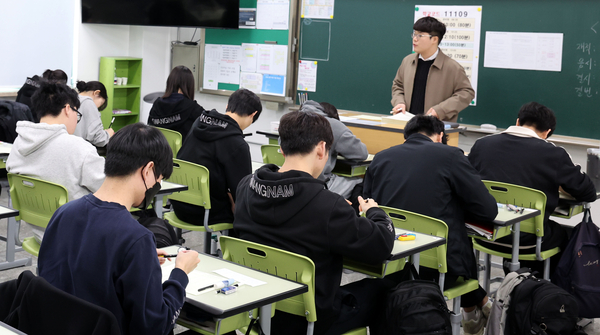
The ministry, in cooperation with the National Election Commission, will provide voter education to about 400,000 12th grade students voting for the first time in the June local elections. The program will begin with the new school term in March and cover election procedures and how to counter fake news.
중앙선거관리위원회와 손잡고 교육부는 6월 지방선거에서 처음 선거에 참여할 약 40만명의 고3 학생들에게 유권자 교육을 제공할 예정이다. 3월 신학기에 맞추어 프로그램이 시작될 것이며 선거 과정과 가짜 뉴스에 대처하는 방법 등을 다룰 계획이다.
The ministry and the election commission will run a “democracy election classroom” from this year for 20,000 elementary and middle school students, allowing them to take part in activities such as mock elections.
교육부와 선관위는 올해부터 초중학생 2만명을 대상으로 "민주주의 선거교실"을 운영해 모의 선거 등의 활동에 참여하도록 할 예정이다.
The initiative has sparked growing concerns among teachers’ groups and parents about the politicization of classrooms.
이 추진 계획은 교사단체와 학부모들 사이에서 교실의 정치화 우려를 불러일으켰다.
Few would object to educating young people to develop a healthy understanding of elections. With the voting age lowered to 18, the final year of high school, it is essential to equip high school seniors with the judgment and perspective needed to cast their ballots responsibly.
청소년들의 건전한 선거 이해를 돕기 위한 교육에 반대할 사람은 거의 없다. 선거연령이 고등학교의 마지막해인 18세로 낮아져 고3 학생들이 책임감있는 투표를 하기 위해 필요한 판단과 시각을 갖추도록 하는 것은 매우 중요하다.
But the problem is that, for all the program’s lofty ideals, the political neutrality of the classroom could be at risk.
그러나 문제는 당 프로그램의 드높은 이상에도 불구하고 교실의 정치적 중립성이 위험해질 수 있다는 것이다.
Schools should be spaces where students learn a range of values and develop critical thinking. They must not become places where the ideology of any particular political force is imposed.
학교는 학생들이 다양한 가치를 배우고 비판적 사고를 발달시키는 공간이 되어야 한다. 특정 정치 세력의 이데올로기가 내세워지는 곳이 되어서는 안된다.
If controversies erupt over teachers imposing certain political views and violating students’ freedom of thought, trust in the neutrality of education will only erode.
만약 교사들이 특정 정치적 견해를 강요하고 학생들의 사고의 자유를 침해한다는 논란이 불거진다면 교육의 중립성에 대한 신뢰는 무너질 수 밖에 없다.
In particular, the ministry’s policy calls for the establishment of teaching and learning principles centered on discussion among students. There are serious concerns that ideologically driven teachers could steer classroom discussions at will, while parents unhappy with those discussions could move to hold teachers accountable. The Korean Federation of Teachers’ Associations, a relatively conservative lobby for teachers, has warned that voter education without protections for teachers could leave them vulnerable to complaints from students and parents.
특히 교육부의 정책은 학생들간 토론을 중심으로 교수 학습 원칙을 세우도록 하고 있다. 이데올로기에 경도된 교사가 학급내 토론을 자의적으로 끌어갈 수도 있다는 심각한 우려가 있다. 그 토론에 불만을 가진 부모들은 교사에게 책임을 묻고자 행동할 가능성도 있다. 상대적으로 보수적인 교사 집단인 한국교원단체총연합회는 교사 보호장치가 부재하는 유권자 교육은 학생과 부모로부터의 불만에 교사를 무방비하게 노출시킬 것이라고 경고했다.
Another point of concern is the use of outside instructors. A rigorous vetting system is essential to ensure that they strictly adhere to neutrality guidelines and that their lectures do not tilt toward any political party or candidate. Education must never be reduced to a vehicle for indoctrination.
또다른 우려스러운 점은 외부 강사의 투입이다. 그들이 중립성에 대한 가이드라인을 엄격히 준수하고 수업이 특정 정당이나 후보에 치우치지 않도록 하기 위해서는 엄격한 검증 시스템이 필수다. 교육은 절대로 정치적 세뇌의 도구로 전락해서는 안된다.
Even the label “Democratic Citizenship Education” has already become a subject of noisy debate. Critics say the term echoes the Democratic Party, and opposition figures have questioned whether the policy is a politically calculated response to a conservative shift among young voters seen in recent opinion polls.
"민주 시민 교육"이라는 명칭조차 이미 시끄러운 논쟁의 주제가 되었다. 민주당을 떠올리게 하는 이름이라는 비난의 목소리도 있다. 야당 정치인들은 해당 정책이 최근 여론조사에서 젊은 유권자들이 보인 보수화 경향에 대한 정치적으로 계산된 대응이 아닌지 의문을 제기했다.
The controversy is inflamed by the current education minister being a former vice president of the Korean Teachers and Education Workers Union, known for its anti-conservative, pro-labor orientation and close alignment with the current administration.
현 교육부 장관이 전국교직원노동조합의 수석부위원장 출신이라는 것이 논란에 불을 지폈다. 반보수, 친노조 성향 그리고 현 정권과의 긴밀한 결속으로 알려진 집단이다.
Many parents are already alarmed about the possible politicization of classrooms, as the ruling party pushes legislation to allow teachers to engage in political activity. Because teenagers at an impressionable age are highly susceptible to their teachers’ views, voter education conducted shortly before an election demands especially careful handling.
많은 부모들이 이미 교실의 정치화 가능성에 불안해하고 있다. 여당이 교사들의 정치 활동을 허용하는 법안을 추진하고 있기 때문이다. 외부의 영향에 휘둘리기 쉬운 10대들은 교사의 견해에 크게 좌우될 수 있기에 선거 직전에 실행되는 유권자 교육은 특히 신중하게 다뤄져야 한다.
Under current law, teenagers can join political parties from 16 and gain the right to vote at 18. A significant number of high school students could become party members and vote. With local elections just months away, holding voter education for high school students is bound to ignite political controversy, whatever its stated intentions.
현행법상 10대들은 16세부터 정당가입이 가능하고 18세가 되면 투표권을 갖는다. 상당수의 고교생들이 정당원이 되고 투표를 할 수 있게 될 것이다. 지방선거가 몇달 남지 않은 지금 고교생 대상의 유권자 교육은 명분이 무엇이든 정치적 논란을 불러일으킬 수밖에 없다.
The success of voter education does not depend on how much knowledge is delivered, but on how well political neutrality is maintained. The key to ensuring neutrality is for teachers not to impose specific views on students, but to help them form their own judgments on contested issues. The government must prioritize safeguards to keep classrooms from turning into political arenas.
유권자 교육의 성공은 얼마나 많은 지식이 전달되었는지가 아니라 정치적 중립성이 얼마나 잘 유지되었는지에 달려있다. 중립을 확보하기 위해서는 교사들이 학생들에게 특정 견해를 강요하는 것이 아니라 이론이 있는 문제들에 관해 스스로 판단을 내릴 수 있도록 돕는 것이 가장 중요하다. 정부는 교실이 정치의 장으로 변질되지 않도록 안전장치 마련을 최우선으로 해야할 것이다.
ballot 무기명 투표
erode 침식시키다, 약화되다
vetting 검증
indoctrination 세뇌
impressionable 쉽게 외부의 영향을 받는
khnews@heraldcorp.com