Global Thinkers: Municipal Excellence
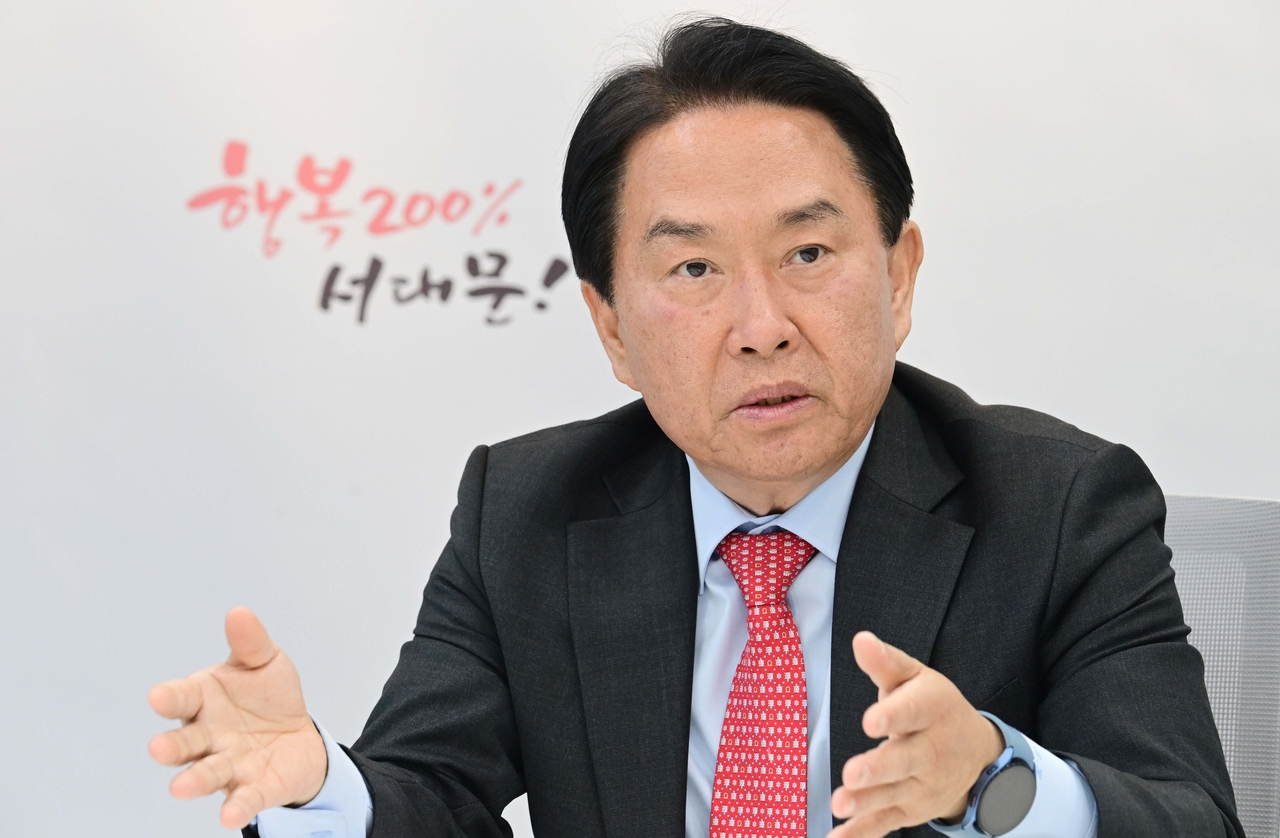
Seodaemun-gu in Seoul has long served as one of South Korea’s leading education districts, being home to nine universities, including some of the country’s top institutions.
The district is now expanding beyond its traditional academic role by supporting international students’ settlement and integration into Korean society while helping them build careers beyond their studies.
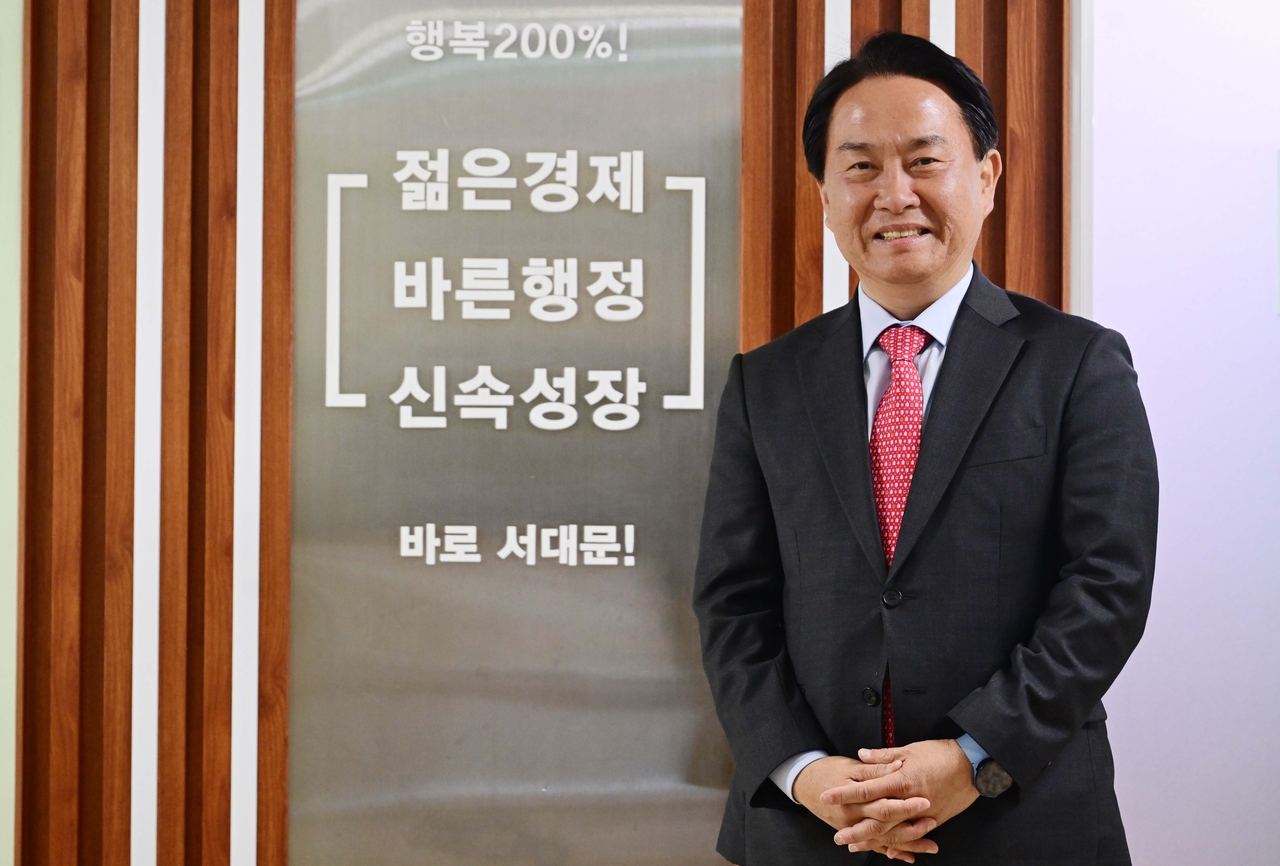
“Seodaemun-gu will offer diverse programs linking international students with local communities and enterprises so that they can settle here and grow as global talent,” Seodaemun-gu Mayor Lee Seong-heon said in an interview with The Korea Herald.
“A community encompassing both Korean and international students will naturally create a platform for global cultural exchange, and we aim to turn this into a new opportunity for our district,” he added.
The district’s strategy has begun to take shape under Lee’s leadership, earning Seodaemun-gu two distinctions under The Korea Herald’s Global Thinkers framework: the Global Talent Hub badge for supporting international students’ career development and entrepreneurship, and the Global Culture Gateway badge for transforming university-driven cultural assets into tourism resources.
Global Talent Hub
From university hub to career base
With the largest concentration of universities among Seoul’s districts, Seodaemun-gu has traditionally served as a center for both Korean and international students.
As Korea increasingly emerges as a destination for global talent seeking new opportunities, the district is shifting its policy focus from short-term study toward long-term settlement and career development.
International student enrollment in Seodaemun-gu’s universities increased from 8,538 in 2019, before the COVID-19 pandemic, to 10,546 in 2024, marking continued growth, according to the Korean Educational Development Institute.
As of April, the district’s nine universities host a total of 11,966 students, including those attending Yonsei University, Ewha Womans University, Myongji University, Kyonggi University and Chugye University for the Arts.
To reduce difficulties faced by overseas students and maintain Korea’s attractiveness as a study destination, Seodaemun-gu operates detailed support programs tailored to students’ length of residence through the Seodaemun-gu Family Center, according to the mayor.
Students who have stayed in Korea for less than one year are offered Korean language education and cultural experience programs, along with practical guidance on medical services, financial activities and psychological counseling.
For those residing between one and three years, the district encourages deeper integration into local communities through volunteer programs such as English education and neighborhood safety activities, helping international students build relationships with residents and feel at home.
Mayor Lee emphasized that the district’s priority lies in helping students translate education into real career opportunities in Korea by supporting entrepreneurship and employment.
In partnership with the Seoul Metropolitan Government, Seodaemun-gu operates the Campus Town project, allowing university students to launch startups while receiving workspace and institutional support within campuses.
The program actively includes foreign students by removing the age restrictions applied to Korean nationals, enabling more overseas participants to establish businesses.
“In 2023, an international student founded a startup producing an interactive table tennis training device through Yonsei University’s Campus Town program,” a district official said.
For 2026, Yonsei University and Ewha Womans University were both selected for the project.
Separate entrepreneurship programs also help students develop business ideas through specialized startup education, expert mentoring, and networking with experienced founders. Consulting services further assist both Korean and international youth in expanding into overseas markets and stabilizing their businesses.
Seodaemun-gu also operated employment support programs seven times in 2025 for international students who had lived in Korea for more than three years, providing practical information on housing, legal matters and administrative procedures.
According to the district, the program has produced tangible outcomes, including internship placements at Korean companies.
“Young entrepreneurs and international students taking root in the local community and growing together is meaningful not only for youth development but also for regional growth,” Lee said.
“We will continue providing comprehensive support, ranging from startup education to consulting and professional advisory services in law and accounting, so that youth-led startups can advance onto the global stage in line with changing times.”
Global Culture Gateway
Where education meets tourism
Long characterized by the youthful energy of its university students, Sinchon, Seodaemun-gu’s central neighborhood, was once widely known as one of Seoul’s leading shopping and nightlife districts.
However, local commercial areas began to lose vitality following the COVID-19 pandemic.
In response, Seodaemun-gu is seeking to revive the district by expanding its role beyond an education center into a global hub of university culture, while leveraging its rich natural landscapes to attract tourists.
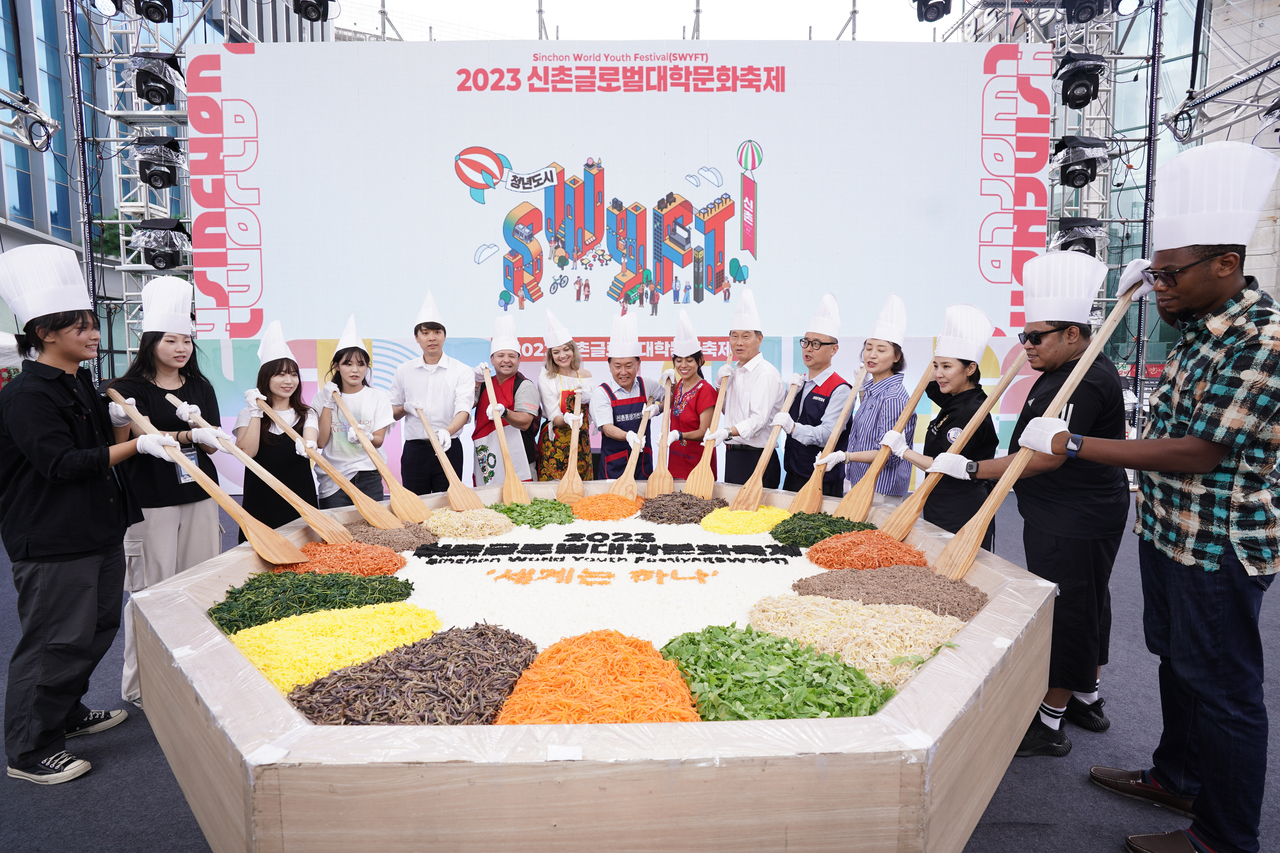
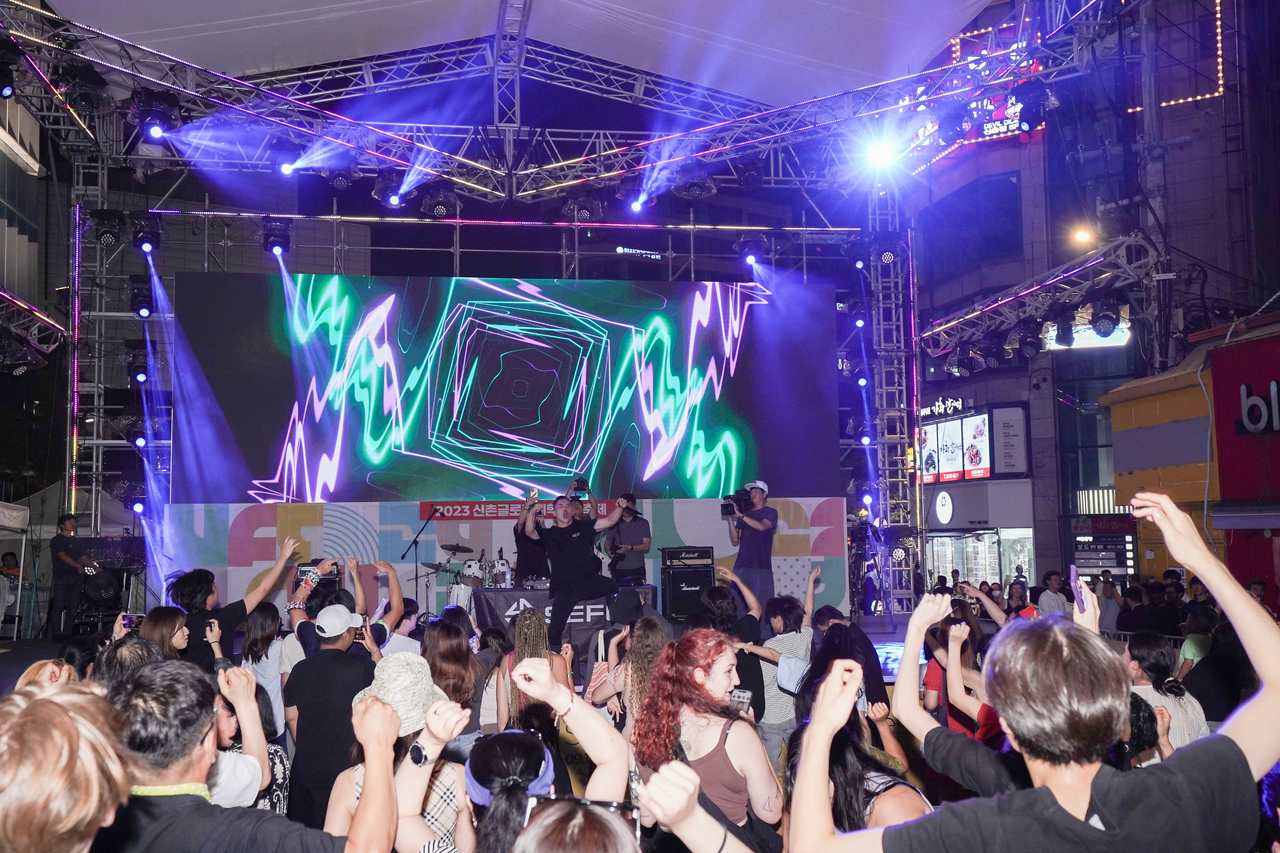
The Sinchon World Youth Festival, launched in 2023, has emerged as a representative example of this strategy.
Participation has steadily expanded over the past three years, growing from 33 universities at its launch to 50 institutions in 2025, establishing the event as a global gathering of young people.
The latest festival, held in September, featured global parades, country-themed booths, international student exhibition spaces, and a foreign student music festival, allowing visitors to experience diverse cultures while encouraging interaction between Korean and international students.
The event also served as a platform showcasing Korea’s university culture, with students from eight domestic universities planning and operating participatory programs from a youth perspective.
“Sinchon is evolving into a grand campus where students from many countries converge to create an integrated culture,” Lee said.
“Through the festival, Sinchon will become a shared space where people come together to respect and exchange cultures.”
Beyond cultural events, the district is also leveraging its natural environment to attract global visitors while creating a livable environment for prospective residents.
With hiking trails connected to Bukhansan, Inwangsan and Ansan, Seodaemun-gu offers scenery distinct from Seoul’s dense skyline, drawing visitors seeking nature within the city.
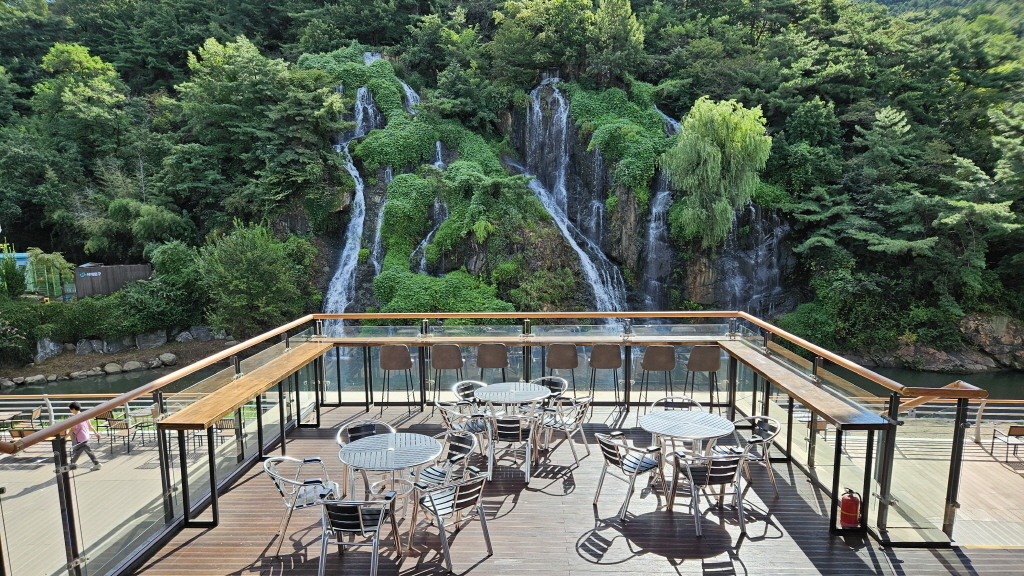
One of the district’s rapidly rising attractions is the Hongjecheon Artificial Waterfall, along with the nearby Cafe Pokpo, which offers panoramic views of the landmark site developed and operated by the district office.
Set against rocky cliffs near Ansan, the artificial waterfall provides refreshing greenery during warmer seasons and dramatic ice formations in winter, creating year-round visual appeal.
The site has drawn strong responses from international visitors, emerging as one of Seoul’s notable tourism spots.
According to the Seodaemun-gu Office, Cafe Pokpo recorded 3.63 million visitors, including tourists from 30 countries. Credit card spending by foreign visitors increased sharply from about 1 million won ($690) in the second quarter of 2023 to 145 million won in the same period of 2025.
The rise in visitor numbers has also revitalized nearby commercial districts, with quarterly sales in surrounding areas increasing from around 3 billion to 4 billion won in 2022, to 4.9 billion won in the third quarter of 2025.

Building on this momentum, the district plans to expand cultural attractions around the site, including the establishment of a cultural center and exhibition facilities showcasing promotional media highlighting Seoul.
The district is also channeling tourism-generated revenue back into education, linking local economic revitalization with student support. Part of the profits generated from Cafe Pokpo is used to fund scholarship programs for students residing in the district.
“In 2024, a total of 114 students received scholarships amounting to 200 million won, and in 2025, 214 students received 410 million won,” said Lee.
“I hope that even a single cup of coffee can create a virtuous cycle that supports students throughout Seodaemun-gu."
forestjs@heraldcorp.com