Political parties are preparing to vie for votes, as the June 3 local elections approach, with the number of parliamentary by-elections likely to grow as lawmakers seek local government posts.
The elections — so far for four parliamentary seats as well as mayors, governors, education superintendents and thousands of councilors — are seen as a litmus test of public sentiment toward the Lee Jae Myung administration.
One of the key battlegrounds in the National Assembly is to be the Gyeyang B constituency in Incheon, which had been occupied by President Lee Jae Myung.
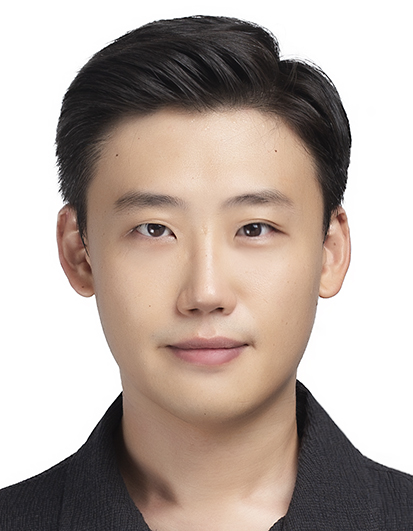
Liberal heavyweight and former five-term lawmaker Song Young-gil is looking to return to the Democratic Party of Korea after he was acquitted in political funding scandals earlier this month, while Lee's presidential spokesperson Kim Nam-joon also left Cheong Wa Dae and is thought to be considering a run in the election.
In addition to Asan B of South Chungcheong Province, Pyeongtaek B of Gyeonggi Province and Gunsan, Gimje and Buan-gun A of North Jeolla Province, more by-elections for the National Assembly are expected, as more lawmakers seek local election posts.
All eyes are on whether the ruling Democratic Party will be able to ride its popularity to victory in the upcoming elections, just a year after it won the presidential election last June.
The latest Gallup Korea poll showed on Feb. 13 that popularity ratings for the ruling party came to 44 percent, double that of the major conservative People Power Party with 22 percent. That was in line with the approval rating for the liberal president at 63 percent, up 5 percentage points from a week before.
In the two previous rounds of local elections, in 2018 and 2022, the ruling party at the time scored huge wins, as the elections took place relatively soon after presidential transitions.
Especially in the last round of local elections in June 2022, just a month after former President Yoon Suk Yeol took the oath of office, the then-ruling People Power Party won 12 out of 17 key posts for mayors and governors, including the Seoul and Busan mayoral seats.
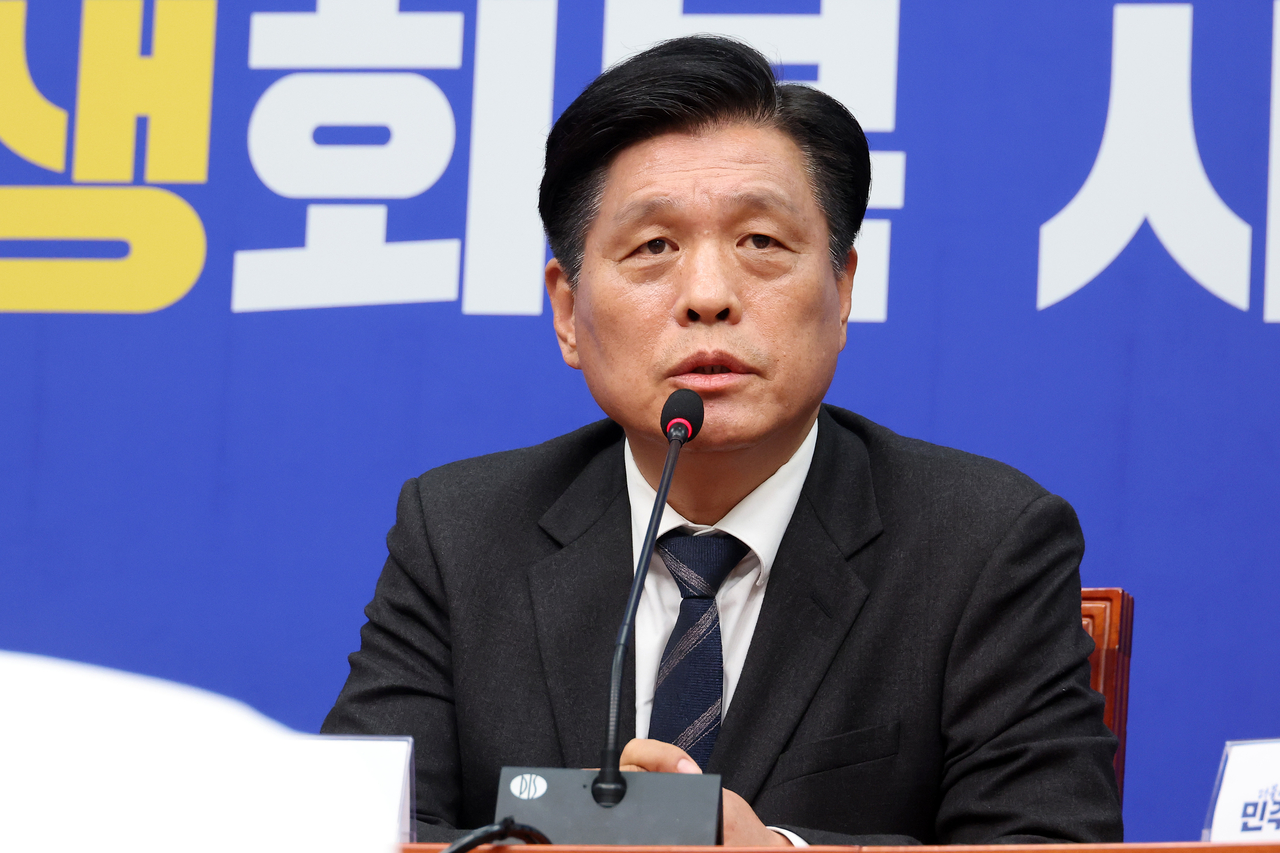
Rep. Jo Seoung-lae, secretary-general of the Democratic Party, said in a press conference on Sunday that voters will pass judgment on the conservative municipal leaders, whom Jo described as "incompetent Yoon Suk Yeol kids."
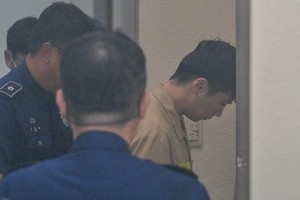
The People Power Party, meanwhile, has only seen its internal rifts expand, especially after a district court's ruling that found former President Yoon guilty of leading an insurrection, sentencing him to life in prison for his botched martial law imposition in December 2024.
The rift stems from People Power Party Chair Rep. Jang Dong-hyeok's failure, according to Jang's dissidents, to sever ties with Yoon and his sympathizers.
In a statement Friday, Jang effectively refused to cut ties with Yoon, saying that he must be presumed innocent until his conviction is confirmed at the top court. Instead, Jang said the party should cut ties with those calling for a separation from Yoon.
Oh Se-hoon, the Seoul mayor and a vocal opponent of Jang's leadership, criticized the party chair Friday for failing to appeal to a wider range of voters by sticking to his stance to defend Yoon. Oh has sided with estranged former People Power Party chair Han Dong-hoon in their calls for the conservative party to sever ties with Yoon.

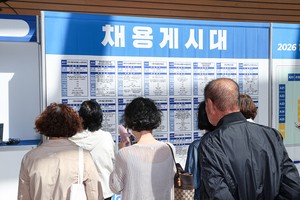
Those who work as public officials must step down from their positions by March 5 to run for a seat in the upcoming election. A similar rule applies for incumbent lawmakers, as only those who quit by May 4 are eligible to run for a local election.
Candidate registrations are scheduled to take place on May 14-15, with the two-week official campaigning period to start on May 21. Those 18 and older have the right to vote as well as stand for election.
consnow@heraldcorp.com