Global Thinkers: Municipal Excellence
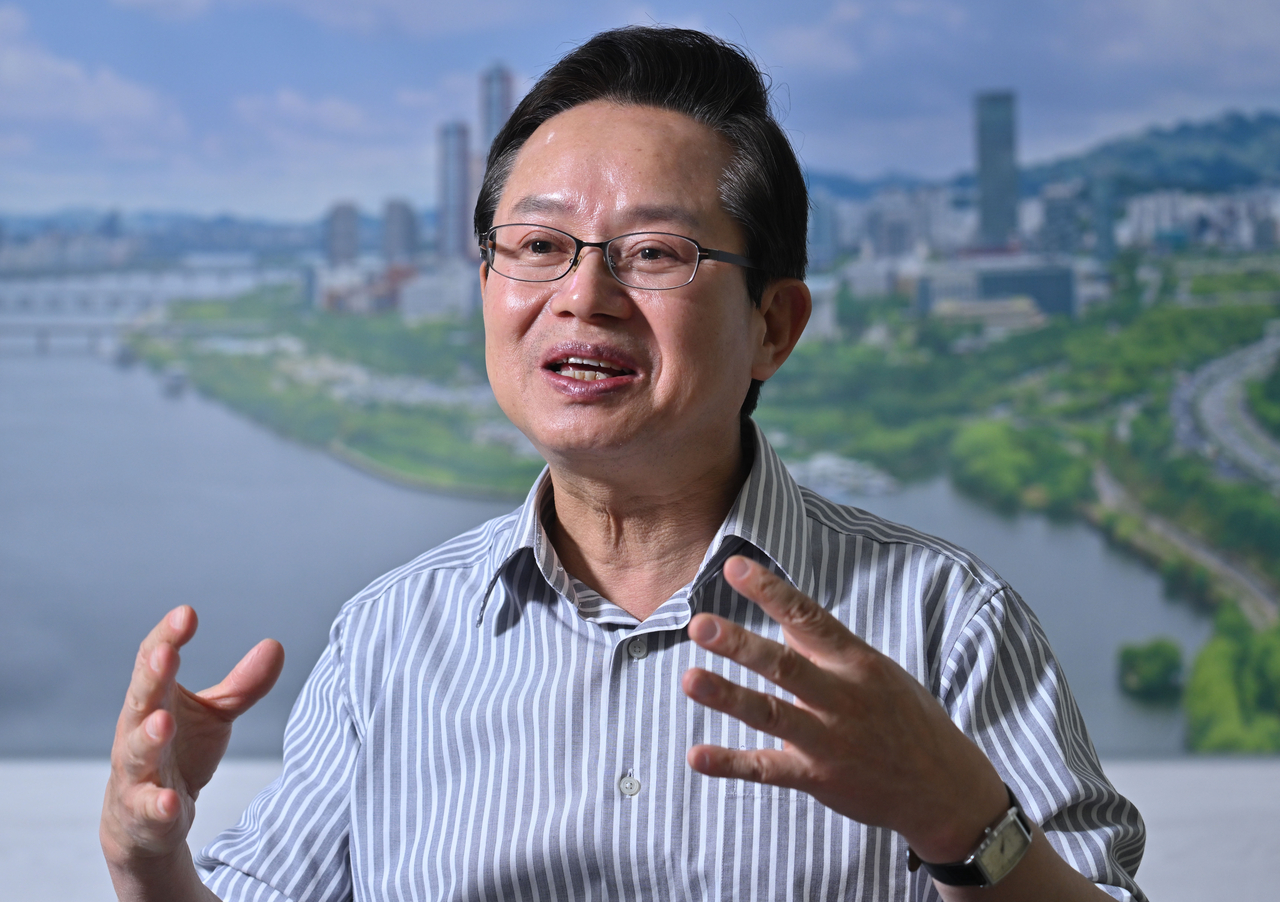
In Yeongdeungpo-gu, where the legislative corridors surrounding the National Assembly meet the commercial power of Seoul’s financial core, a new global narrative is emerging.
Driven by global mobility, the district has become a convergence point for finance, policymaking and art, making it one of Seoul’s most globally attuned urban environments.
Within the Global Thinkers framework, Yeongdeungpo-gu’s strengths take shape along two trajectories: International Living Standard, underscored by one of the city’s largest foreign resident populations, and Global Cultural Gateway, embodied by its cultural districts, rising medical tourism footprint and a retail ecosystem that captures the economic behavior of overseas visitors.
International Living Standard
Where culturally diverse families find stability, access and opportunity
Yeongdeungpo is home to one of Seoul's fastest-growing international communities, a demographic shift that has shaped the district’s governance priorities.
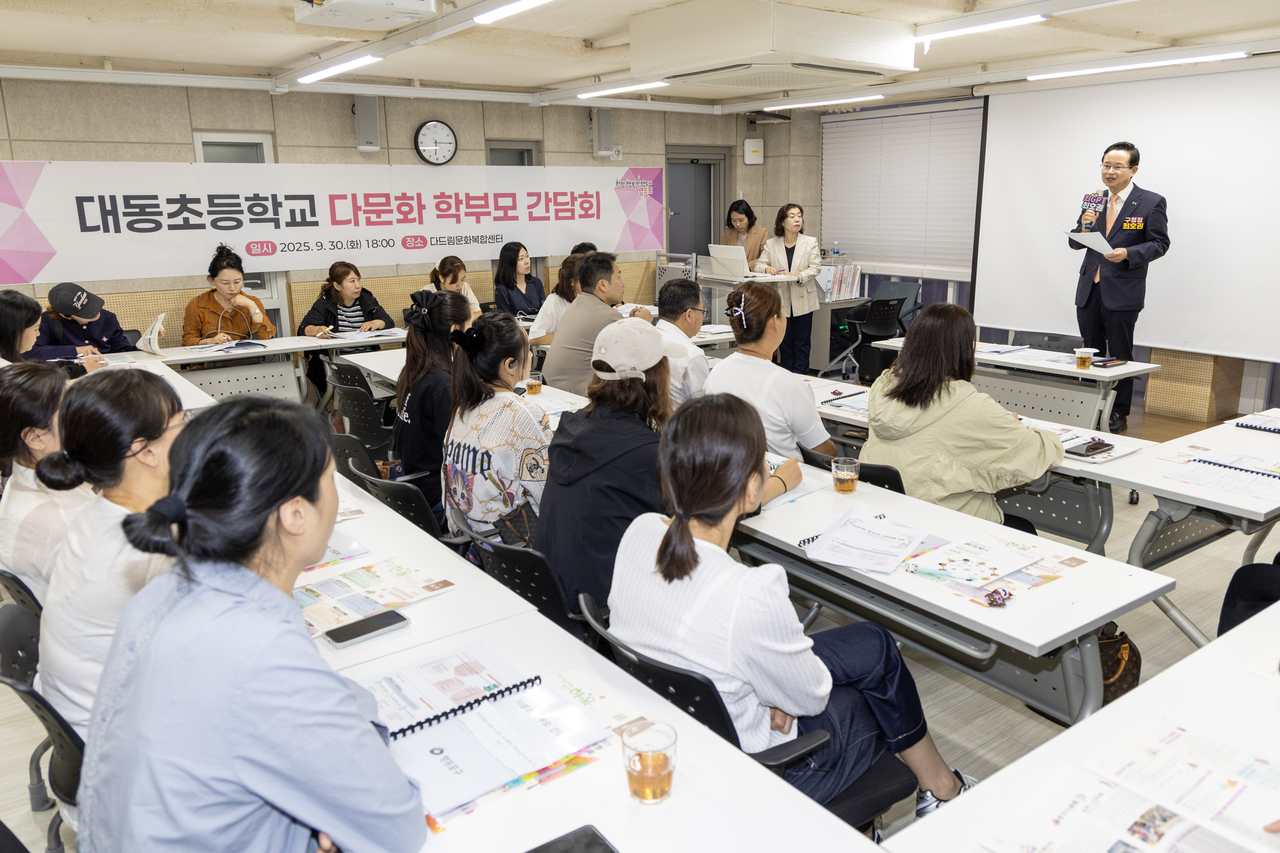
Mayor Choi Ho-kwon views the growing international community not as an adjunct group to serve intermittently, but as an integral population whose needs help define the district’s long-term urban strategy.
“We want foreign residents to have easy access to the practical information they need to settle securely and confidently. Our goal is to build a community where people from diverse cultural backgrounds can live together harmoniously,” he said during an interview with The Korea Herald.
This approach is visible across the district’s service infrastructure. Multilingual administrative support, expanded interpretation services and integrated community programs aim to reduce friction for newcomers settling into schools, workplaces and neighborhood life.
The district has also expanded programs that support members of multicultural families, including marriage migrants and youth entering Korea mid-education, by enhancing both employment opportunities and community integration. Korean law defines a multicultural family as one comprising an immigrant married to a Korean citizen.
The district operates a multicultural employment academy designed to help participants move beyond entry-level labor into specialized professions.
The academy offers customized programs tailored to the preferences and strengths of marriage migrants, including computer certification courses, business Korean, judicial interpretation and translation training, and trade practice programs.
These courses are structured to provide direct pathways to employment by linking pre-education, job training and placement support into a single, continuous system.
Mayor Choi added, “We will continue working closely with our community centers to ensure marriage migrants and multicultural families can establish stable, long-term lives here. Our focus is on providing support that is not symbolic, but truly effective.”
Yeongdeungpo’s concentration of major subway lines and bus corridors also provides swift access to business clusters across Seoul, while ongoing residential redevelopment is widening access to modern, family-friendly housing.
Global Culture Gateway
From medical tourism to arts districts
If Yeongdeungpo’s living standard policies shape everyday life, its cultural and tourism assets open the district to the world.
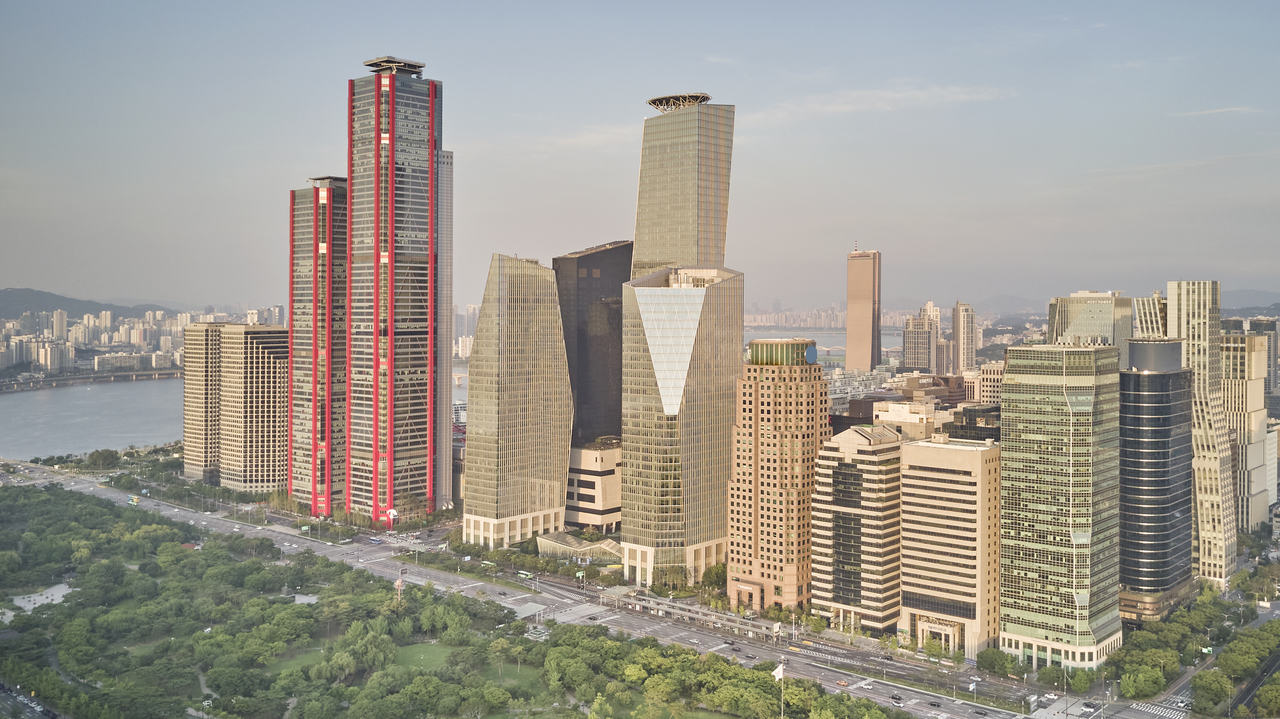
The area’s commercial gravity begins in Yeouido, home to major conglomerates, broadcasting networks and The Hyundai Seoul, one of the largest shopping centers in the capital.
This concentration anchors the district’s consumer economy. According to the Korea Tourism Organization, more than 62 percent of foreign card spending in Yeongdeungpo-gu is directed toward shopping, a proportion significantly higher than the Seoul average.
High-end retail, department stores and lifestyle brands have turned the district into a consumption hub for overseas travelers seeking both international and Korean products.
Beyond this formal commercial core, the district is cultivating new channels for global cultural exchange.
Medical tourism is one of its most strategically prioritized sectors, supported by a dense cluster of hospitals and clinics that attract patients from around the world.
Designated as a smart medical zone by the government in 2017, Yeongdeungpo-gu has become a center of Seoul’s medical tourism industry, with seven general hospitals, about 800 hospitals and clinics, and 32 medical institutions registered to treat international patients.
Located roughly an hour from Incheon International Airport, the district recorded a cumulative total of approximately 123,300 foreign patients between 2009 and 2021, with visitors arriving from countries including China, Mongolia and the United States.
The return of global mobility after the pandemic has accelerated that momentum. Since tourism resumed in late 2022, the number of international medical visitors has risen sharply, from 5,360 in 2022 to 11,607 in 2023 and 13,469 in 2024, more than doubling in two years.
While earlier demand was driven largely by essential treatment, recent trends indicate a clear shift. A growing share of visitors now travel for cosmetic procedures, dermatological care and comprehensive diagnostic checkups, reflecting the broader rise of wellness-oriented travel.
Beyond commerce and medicine, Yeongdeungpo’s cultural identity is most visible in the regenerated spaces of Mullae Arts Village, a neighborhood where aging metal workshops coexist with studios, mural-lined alleys, performance venues and independent galleries.
The UK-based travel magazine Time Out ranked Mullae as the No. 6 Coolest Neighborhood in the World, placing it among the 38 most vibrant districts globally.
“The district has built its identity through sustained cultural experimentation, supporting artist communities, fostering collaboration among small fabricators and hosting network-based arts festivals that merge industrial landscapes with contemporary creativity,” Choi said.

A district oriented toward global coexistence
What distinguishes Yeongdeungpo within the Global Thinkers framework is the interplay between its international resident base and its outward-facing cultural ecosystem. Few districts combine a dense foreign population, strong economic throughput and a culturally plural landscape within such a compact footprint.
For visitors, Yeongdeungpo offers multiple entry points into contemporary Korea: from wellness-centered medical facilities to regenerated creative neighborhoods and one of the country’s most influential retail districts.
For residents, the district represents a version of Seoul where global coexistence is not an aspiration but a lived reality embedded in the rhythms of work, mobility and community life.
As the district continues to expand its international services, strengthen its medical tourism strategy and develop cultural districts like Mullae, Yeongdeungpo is charting a path that reflects what it means to be a global city.
Yeongdeungpo’s trajectory suggests that in Seoul, global competitiveness may increasingly hinge not on skyline scale, but on how effectively districts integrate mobility, commerce and cross-border populations into everyday urban life.
jychoi@heraldcorp.com