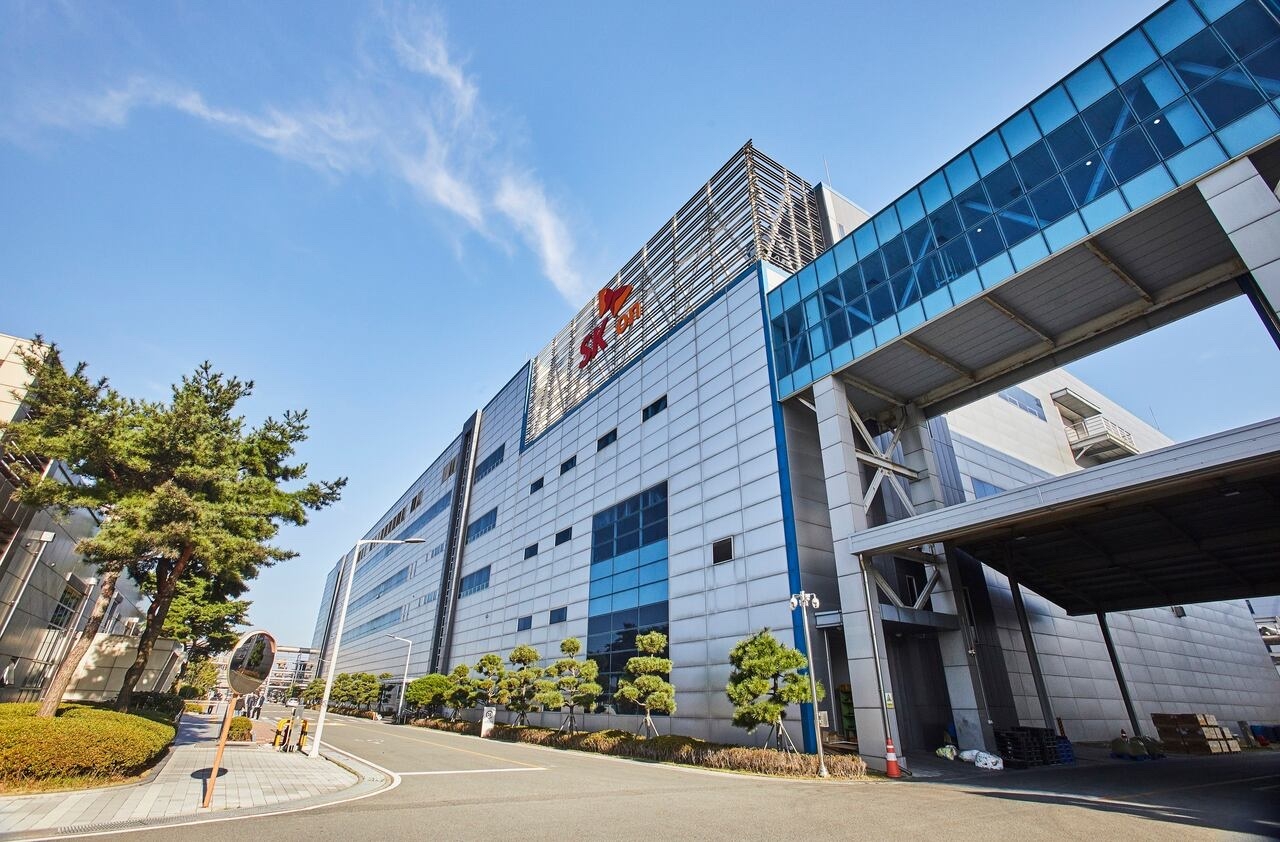
SK On staged a dramatic turnaround, winning the majority of a 1 trillion won ($695.3 million) contract in the South Korean government’s second bidding for domestic energy storage system projects.
According to media reports on Thursday, SK On secured 50.3 percent, or 284 megawatts, of the 565-megawatt project to supply ESS to state-run substations across three of the seven selected regions in South Jeolla Province and on Jeju Island.
Samsung SDI, which had dominated the first tender with 76 percent, ranked second this time with 35.7 percent, or 202 megawatts. LG Energy Solution followed with 14 percent (79 megawatts) after winning 24 percent in the first round.
This marks a notable comeback as SK On had failed to secure any contracts in the first 563-megawatt tender last year.
Industry insiders noted that the company has shown strong performance in key evaluation criteria such as industrial and economic contribution as well as safety technology.
Before the bidding process, SK On announced plans to convert part of a production line at its second Seosan plant in South Chungcheong Province to establish a 3-gigawatt-hour lithium iron phosphate battery production line for ESS applications in the second half of this year.
The company will also source key materials for its ESS LFP batteries, such as cathodes, electrolytes and separators, from domestic suppliers.
Following the announcement of the second tender results, SK On is reportedly reviewing plans to expand capacity up to 6-gigawatt-hours. If realized, this would secure the largest domestic production capacity for ESS LFP battery cells.
To enhance safety — a critical concern given the potential fire risks associated with lithium-ion batteries — SK On has equipped its ESS LFP batteries with an electrochemical impedance spectroscopy-based diagnostic system that can detect warning signs up to 30 minutes before a fire. Notably, it is the first among Korean battery makers to apply the technology.
An SK On official said, “The company is accelerating efforts to localize key materials for ESS batteries and strengthen domestic production to help revitalize Korea’s ESS ecosystem. We will do our best to achieve a meaningful outcome in the next ESS tender."
According to the Ministry of Climate, Energy and Environment, the winning bidders must complete facility installation by December 2027. A third contract tender is set to open later this year.
hyejin2@heraldcorp.com