People Power Party to ditch name to break away from Yoon-era misdeeds; New ruling party whip renews special counsel push against Yoon
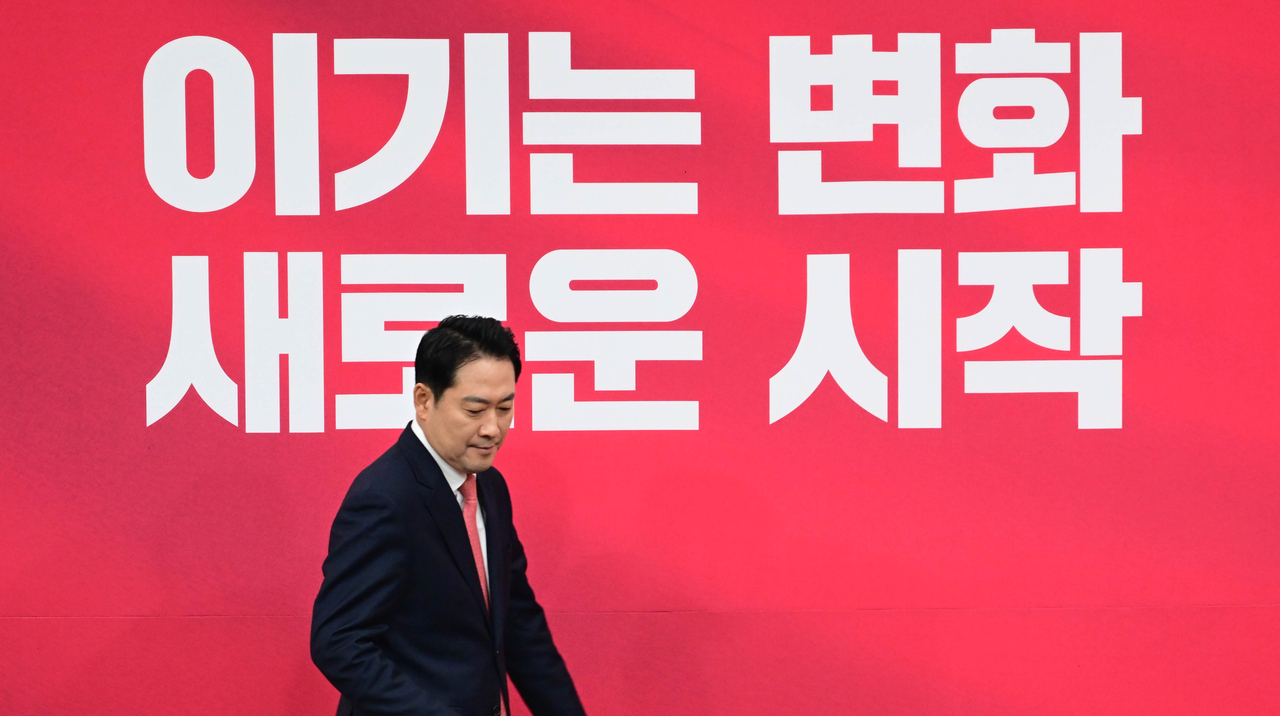
The main opposition People Power Party on Monday approved a plan to change its name, seeking to distance itself from issues connected to former President Yoon Suk Yeol ahead of the local elections to be held in June.
The move — often used here by political parties that have been faced with crises — comes as the conservative opposition faces increased pressure from the ruling Democratic Party of Korea. The latter is enjoying renewed momentum following Sunday's election of a new floor leader and three members to its supreme council.
People Power Party Secretary-General Rep. Jung Hee-yong said in a party meeting Monday that the party has set in motion a plan to change its name, with support from the party members.
The party aims to complete the entire process, including an open call for a new name and a review by outside experts, by mid-February.
Jung said the name change is "a follow-up measure" to announcements from chair Rep. Jang Dong-hyeok, who on Wednesday outlined the party's "change to achieve victory." Jang also apologized for the party's failure to fulfill its responsibility when Yoon imposed martial law, vowing not to repeat past misdeeds.
The nation's biggest conservative party has been called the People Power Party since September 2020. It is the party's seventh name change since South Korea achieved democratization in 1987.
A notable example occurred in 2017. The conservative faction changed its name from the Saenuri Party to the Liberty Korea Party after the impeachment of President Park Geun-hye was confirmed by the Constitutional Court and she was ousted for a broad corruption scandal.
Following back-to-back election losses from 2017 to 2020, the party opted for an additional name change to muster up momentum to deal with challenges. In February 2020, the Liberty Korea Party declared itself the United Future Party.
However, the party suffered a landslide defeat in that year's general election, prompting it to change its name again just seven months later to the People Power Party.
The party has yet to decide whether to change its associated color. The People Power Party has used red to represent its conservative identity since 2012, ditching the blue it had used for the previous three decades. The liberal faction of the time used green.
Rep. Park Sung-hoon, senior spokesperson of the People Power Party, said Monday that a majority of party members had voted against changing the color scheme.
Any change made to the party's public image, however, will be superficial as long as it fails to take practical measures to cut ties with a past tainted with corruption and insurrection, Democratic Party spokesperson Kim Ji-ho said in a statement Monday.
Alternatively, the conservative party should seek "cooperation (with the liberal ruling party) to stamp out the remnants of the insurrection," said Rep. Park Soo-hyun, senior spokesperson for the Democratic Party.
Echoing a similar sentiment, People Power Party Rep. Joo Ho-young said in an interview with Buddhist Broadcasting System that the party's move "could end up being a mere change of a rice bag without changing (the rice) inside it."
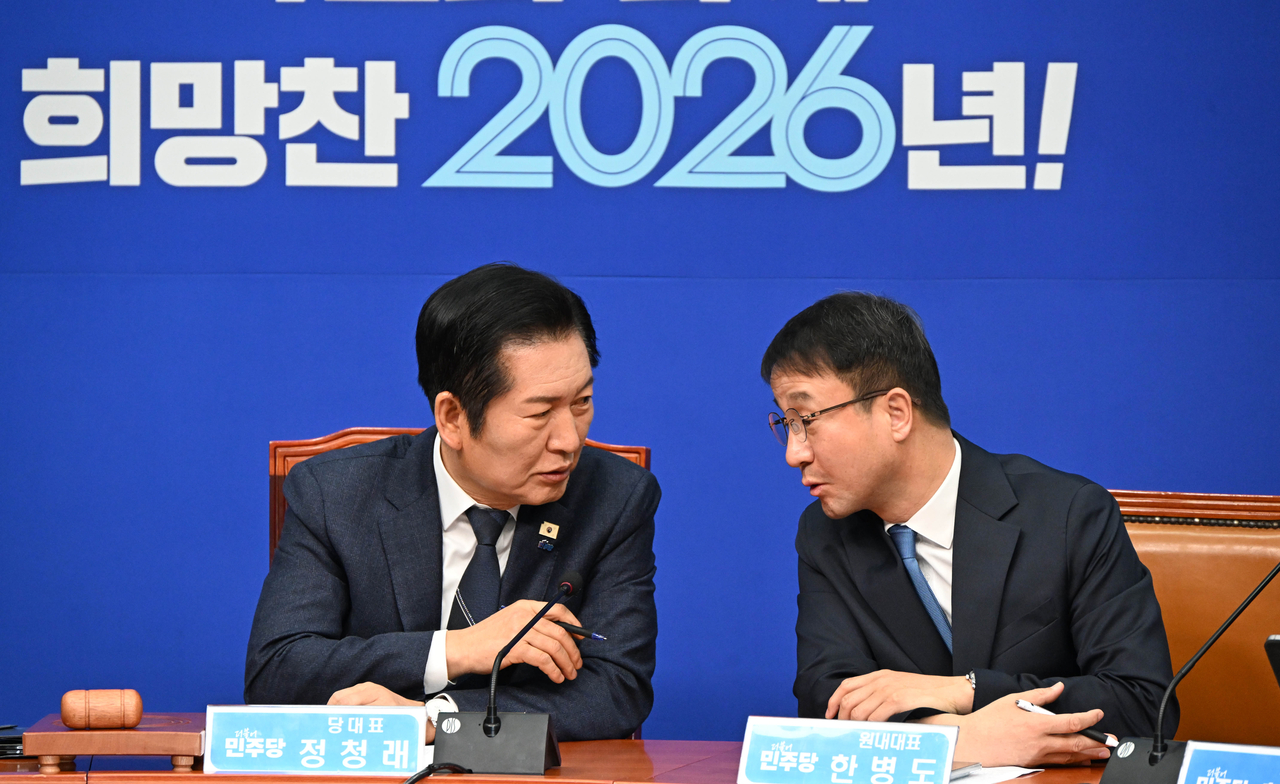
Meanwhile, Democratic Party whip Rep. Han Byung-do, who was elected Sunday, renewed the party's push to launch a second special counsel against ex-President Yoon and his wife Kim Keon Hee.
"Removing the remnants of the insurrection is a basic principle that is something non-negotiable," Han said, vowing to pass the new special counsel bill and a revision of the Amnesty Act in Thursday's plenary session.
"Those who disrupted constitutional order shall find no shelter," the three-term lawmaker added.
A second special counsel bill would virtually extend the special counsel operations that ended last month. Such a move carries "unconstitutional elements," commented People Power Party Rep. Joo Jin-woo on Monday, defying the Democratic Party's unilateral push.
consnow@heraldcorp.com