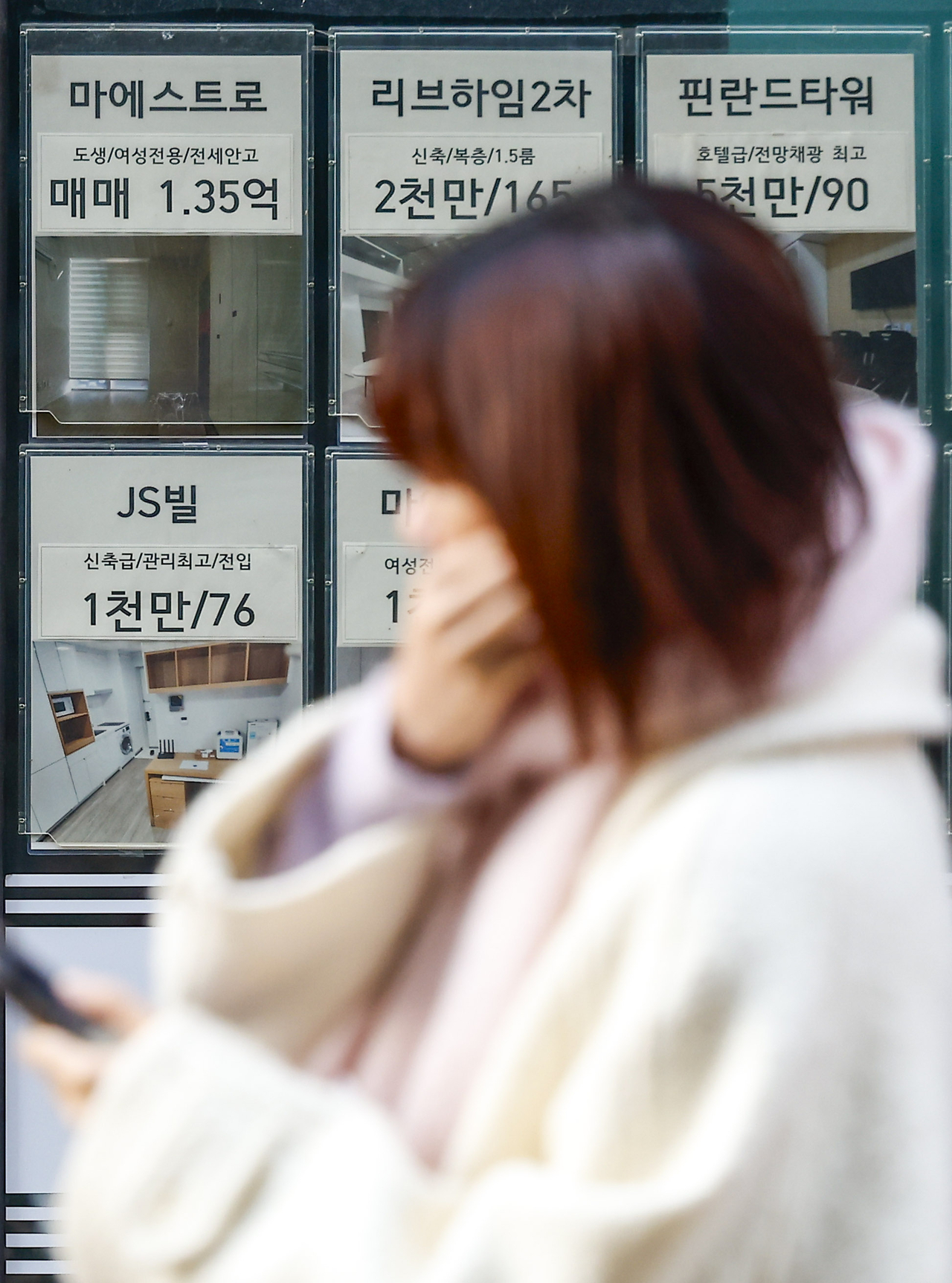
As in any country, moving in South Korea involves navigating a range of practical considerations, from reclaiming your housing deposit and paying real estate commissions to registering your change of address with the authorities.
This installment of the series looks at issues that often arise when searching for a new home, including local customs and legal considerations that may be unfamiliar to newcomers.
If you are renting or buying a home for the first time in Korea, it is important to understand how real estate fees, also known as "bokbi," are structured.
Licensed real estate agents play a central role in the housing search, and the upper limits of their commissions are set by law. For long-term jeonse leases, agent fees range from 0.3 percent to 0.6 percent of the deposit. For home purchases, commissions are capped at between 0.4 percent and 0.7 percent of the transaction value.
A different rate is applied for monthly rents, and for "officetel" commercial-residential buildings, with detailed information available on the Seoul Metropolitan Government's related page (Korean). At the bottom of the page is a bokbi calculator.
Real estate fees are paid by both the landlord and the tenant. To calculate how much you owe the real estate agent, first select the residence type and deal type (such as monthly or long-term lease), then enter the relevant transaction amount and commission percentage.
If a tenant wishes to terminate a contract before it expires, they are widely expected to pay the landlord's share of the bokbi for the new tenant.
This is essentially a compromise between the landlord and tenant, as the landlord is not obligated to pay back the deposit before the contract's expiration date. So, in return for receiving the deposit earlier than scheduled, the tenant usually agrees to shoulder the financial burden of finding a new tenant.
However, if the tenant notifies the landlord of the termination three months before moving out, the tenant is not expected to pay bokbi for the new deal. The Housing Act states that termination of the lease deal takes effect three months after the tenant's notification, which means the tenant has acted within his or her right in this case and is not required to do any favors for the landlord.
Check out "Renting a home: Jeonse, wolse and everything in between" for various forms of renting deals in Korea, or our "Living Alone" series for more information about living here.

![[Graphic News] Korea’s marine waste up 20% in 4 years](https://wimg.heraldcorp.com/news/cms/2026/10/27/news-p.v1.20261027.091c35e4ae1a4bb2a598a9138e673a7b_T1.gif?type=h&h=800)