Parliamentary approval required for assets over 30 billion won, discounted sales barred
South Korea is tightening oversight of national property disposals, requiring parliamentary approval for sales valued above 30 billion won ($20.3 million) and effectively banning discounted transactions.
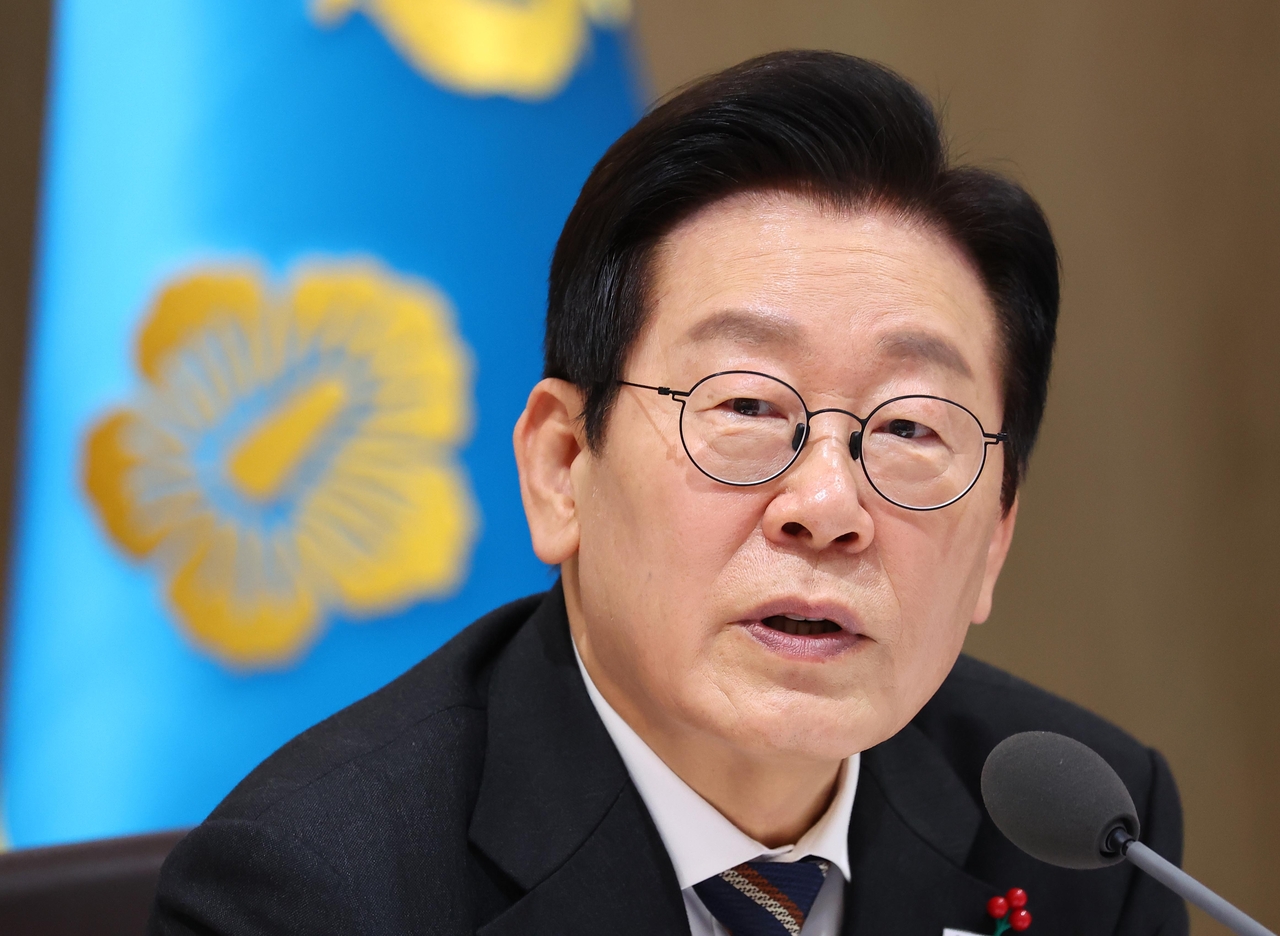
The Finance Ministry said Monday the measures will be introduced through revisions to national property disposal regulations, following November orders from President Lee Jae Myung to halt all ongoing sales amid criticism that state assets had been sold at steep discounts under the previous administration.
The government is overhauling its asset management framework by externalizing oversight and establishing expert-led sale review bodies at each ministry. Currently, assets can be sold with approval only from operations support divisions and agency boards.
Under the revised rules, properties worth more than 30 billion won must be reviewed at Cabinet meetings and reported to relevant National Assembly standing committees before sales. Disposals of assets valued above 5 billion won will require reporting to and approval from designated review bodies, including the Finance Ministry-affiliated committee for examination on state property policies.
The government is also moving to curb bargain sales. Under current rules, properties that fail to attract buyers in two or more auction rounds may be sold at discounts of up to 50 percent from their appraised value. The revisions will prohibit discounted sales in principle, allowing exceptions only with approval from the state property examination committee. Appraisals of properties valued at 1 billion won or more will also require a review certificate issued by the Korea Appraisal Board.
In a briefing Monday, a ministry official said that there have been 51 sales of properties valued at 30 billion won or more since May 2022, accounting for about 40 percent of all national property sales during the period. “Just overseeing properties worth 30 billion won or more would allow the government to manage a substantial share of state assets,” the official said.
Privatization of public institutions will also face tighter scrutiny, with the revised rules requiring preliminary approval from relevant National Assembly standing committees for sales of government stakes.
To preserve efficiency, institutions engaged in asset management, such as the Korea Investment Corp., and routine asset sales arising from core operations will be exempt from tighter oversight. Sales conducted under legal obligations will instead be subject to post-sale reporting.
The reforms target asset sales under the previous Yoon Suk Yeol administration that critics and the current ruling party say were used to plug tax revenue shortfalls through heavily discounted disposals. According to the Citizens’ Coalition for Economic Justice, about 850 billion won worth of state assets were sold at an average discount of around 20 percent during the three years of the Yoon administration.
The debate has also been fueled by a legal dispute over the privatization of broadcaster YTN. In February 2024, state-run Kepco KDN and the Korea Racing Authority sold a combined 30.95 percent stake in the news channel to Eugene ENT, handing it control. A Seoul court later voided regulatory approval for the ownership change, ruling it had been granted while the media regulator lacked a quorum.
The government aims to complete the regulatory revisions by the first half of next year, while applying measures that can be implemented immediately.
South Korea’s national property totals about 1,300 trillion won, including roughly 630 trillion won in land and 290 trillion won in stocks and bonds.
jwc@heraldcorp.com