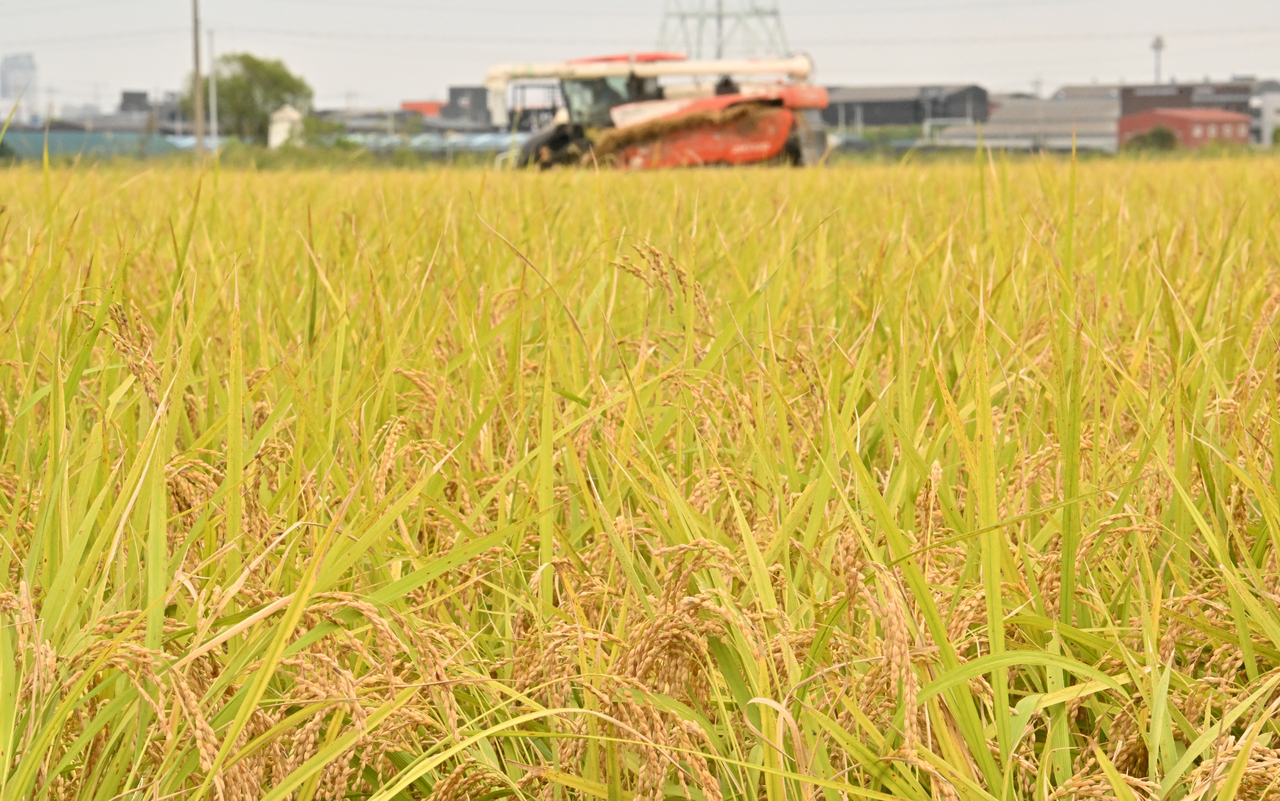
Despite a growing number of seasonal workers on Korean farms, protections for them, including access to basic information about their rights, remain inadequate in the country’s farming and fisheries sector, a new survey showed.
According to Gyeonggi Province on Thursday, 23 percent of seasonal workers surveyed said they had experienced human rights abuses. Among them, 87.5 percent said they chose to “just endure” the situation.
The survey, conducted with 417 respondents by the provincial government and Hanyang University from July to November, marks the province’s first official assessment of the human rights conditions of seasonal workers.
Seasonal workers are foreign nationals permitted to stay and work on Korean farms and in fisheries for up to eight months under the E-8 visa.
Their quota is allocated through partnerships between Korean and overseas local governments, or through invitations by marriage immigrants or permanent residents for their family members.
The survey also found that many workers lacked access to basic information about their rights.
Of the 403 respondents, only 78 percent said they had received an employment contract, and among them, just 54.4 percent said they understood it well. Officials attributed this partly to insufficient translation into workers’ native languages.
In addition, 41.9 percent said they did not know where to seek help when their rights were violated.
With rural communities aging and labor shortages intensifying, seasonal workers have become an increasingly vital part of Korea’s agricultural workforce.
In 2025, a record-high quota of 86,648 seasonal workers were allocated to farms nationwide, according to the Ministry of Agriculture, Food and Rural Affairs.
However, the number of seasonal workers who disappear from their designated workplaces remains high, posing challenges for both farms and immigration authorities.
According to the ministry, 925 and 915 seasonal workers, respectively, were reported missing in 2023 and 2024.
The government cites inadequate treatment and support as a major factor behind the problem. It will introduce a standardized contract for seasonal workers and plans to require mandatory injury insurance starting in 2026.
Experts say further efforts are needed to improve local communities’ awareness of seasonal workers to better support their emotional well-being.
They also call for eliminating broker-driven contracts, noting that high brokerage fees often push workers to seek higher-paying jobs they are not authorized to take in Korea.
“This survey serves as a starting point to strengthen the institutional foundation so that seasonal workers can work in safer and more respectful environments,” a Gyeonggi Province official said.
“Based on the results, we will prepare comprehensive policy improvements covering employment contracts, language accessibility, workplace safety and the role of intermediaries.”
forestjs@heraldcorp.com