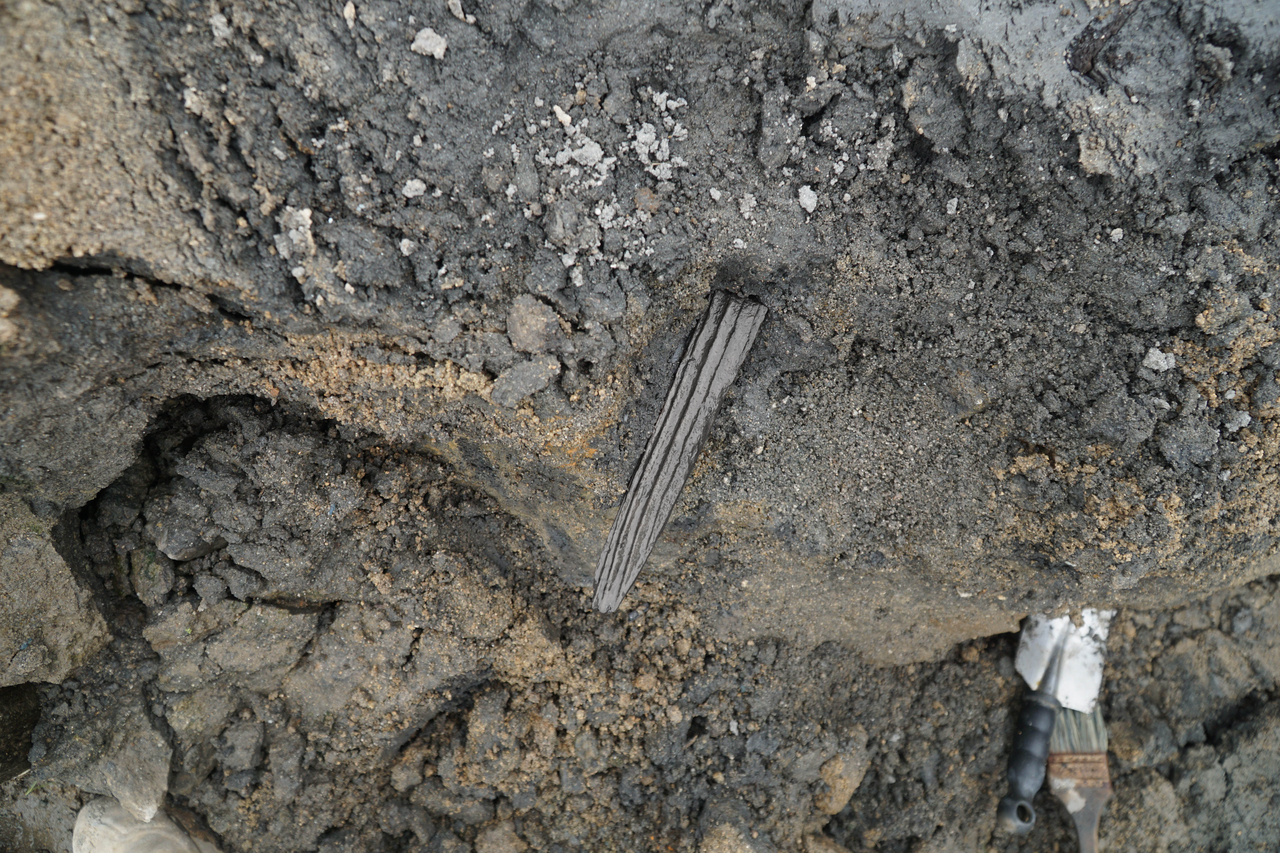
Three inscribed wooden tablets, or slips, dating back roughly 1,500 years to Korea’s Three Kingdoms period (57 BC-AD 660) were discovered in May in Yangju, Gyeonggi Province, the Giho Cultural Heritage Research Center announced Thursday.
Before the invention of paper, wooden slips were widely used across East Asia to keep records. Today, they are regarded as time capsules that offer rare insights into ancient societies.
The artifacts were found in an old water collection facility within Daemosanseong, a mountain fortress used by the Baekje Kingdom. The discovery was made during the site’s 15th excavation campaign and in the same stratigraphic layer as 5th-century Baekje pottery. The Korea Heritage Service provided 800 million won ($545,000) to fund the excavation.
One slip is inscribed with Chinese characters that read “Gimyonyeon,” or “golden rabbit year.” In the traditional sexagenary calendar, this term refers to the 16th year of a cycle that repeats every 60 years. There were two Gimyonyeon in the 5th century: 439 and 499.
Scholars believe the inscription points to the year 439, because at that time Baekje had not yet relocated its capital from Hanseong (present-day Songpa-gu, Seoul) to Ungjin (present-day Gongju, South Chungcheong Province). Yangju is located just 31 kilometers from Songpa-gu.
The artifact is the oldest wooden slip ever discovered in Korea -- predating by more than a century a slip unearthed at Mongchontoseong fortress in Seoul that was dated to around 551, when the area was controlled by the Goguryeo Kingdom.
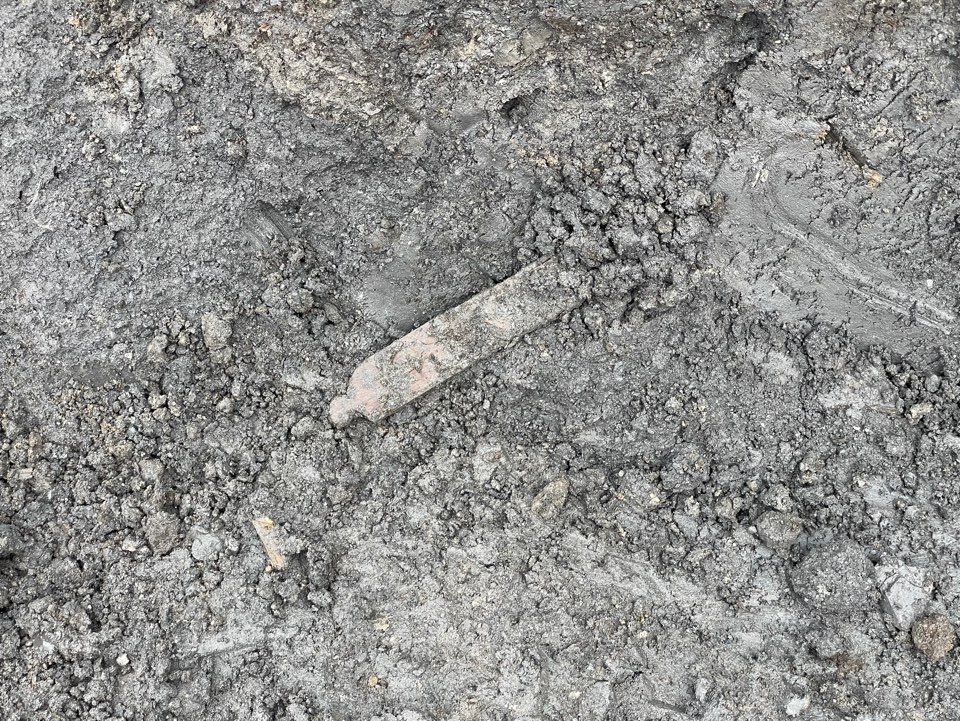
The other two wooden slips also shed light on Baekje’s cultural practices. One bears more than 20 Chinese characters, beginning with the word for “corpse” and followed by characters associated with “sky” and “gold.” Oracle bones were found nearby, leading researchers to conclude the slips may have served talismanic or ritual purposes.
“(The wooden slips) appear to be similar to talismans discovered in China or Japan,” Yangju City said, citing experts. “The wooden slips are incantatory in nature, showing that rituals were held inside the fortress.”
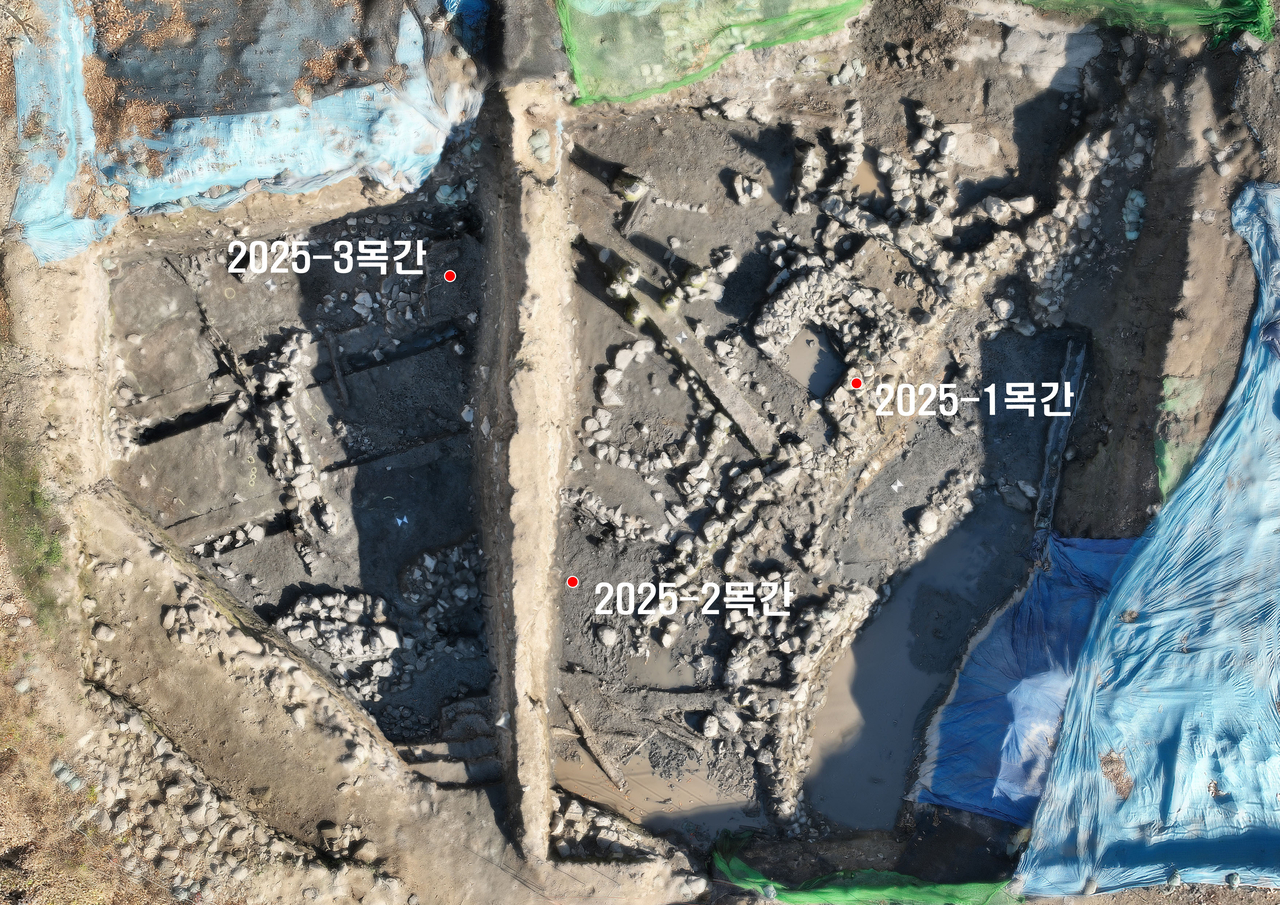
The third slip carries the phrase “Geummulno,” a historical place name for modern-day Jincheon in North Chungcheong Province, used by the Goguryeo Kingdom, according to Samguk Sagi -- a historical record of the Three Kingdoms written in 1145. Historians note that it is unusual to find a Goguryeo place name alongside Baekje artifacts.
Daemosanseong, a 58,000-square-meter fortress positioned atop a mountain near the Han and Imjin Rivers, functioned as both a strategic military post and a key transportation hub throughout Korean history. During an earlier excavation in 2023, researchers also uncovered wooden slips from Taebong -- a short-lived state (901-918) founded by the monk-king Gung Ye -- marking the first wooden slip discovery linked to that kingdom.
seungku99@heraldcorp.com