Hundreds of business tycoons are expected to appear at the regular parliamentary audit starting Monday.
Chey Tae-won, chair of electronics-to-chemicals giant SK Group, is one of the business leaders called to testify at the parliamentary inspection. Chey will be summoned on Oct. 28 over the group's alleged unfair market practices involving its affiliates. Chey's appearance — just before he is set to host the Asia-Pacific Economic Cooperation CEO Summit — was approved by the National Policy Committee in late September.
Also to be summoned at the audit are Chung Euisun, executive chair of Hyundai Motor Group, which owns Hyundai Motor, Kia and Genesis; Chung Yong-jin, chair of retailer Shinsegae; Bom Kim, founder and chief executive officer of e-commerce firm Coupang; and Michael Byung-ju Kim, founder and chair of private equity firm MBK Partners.
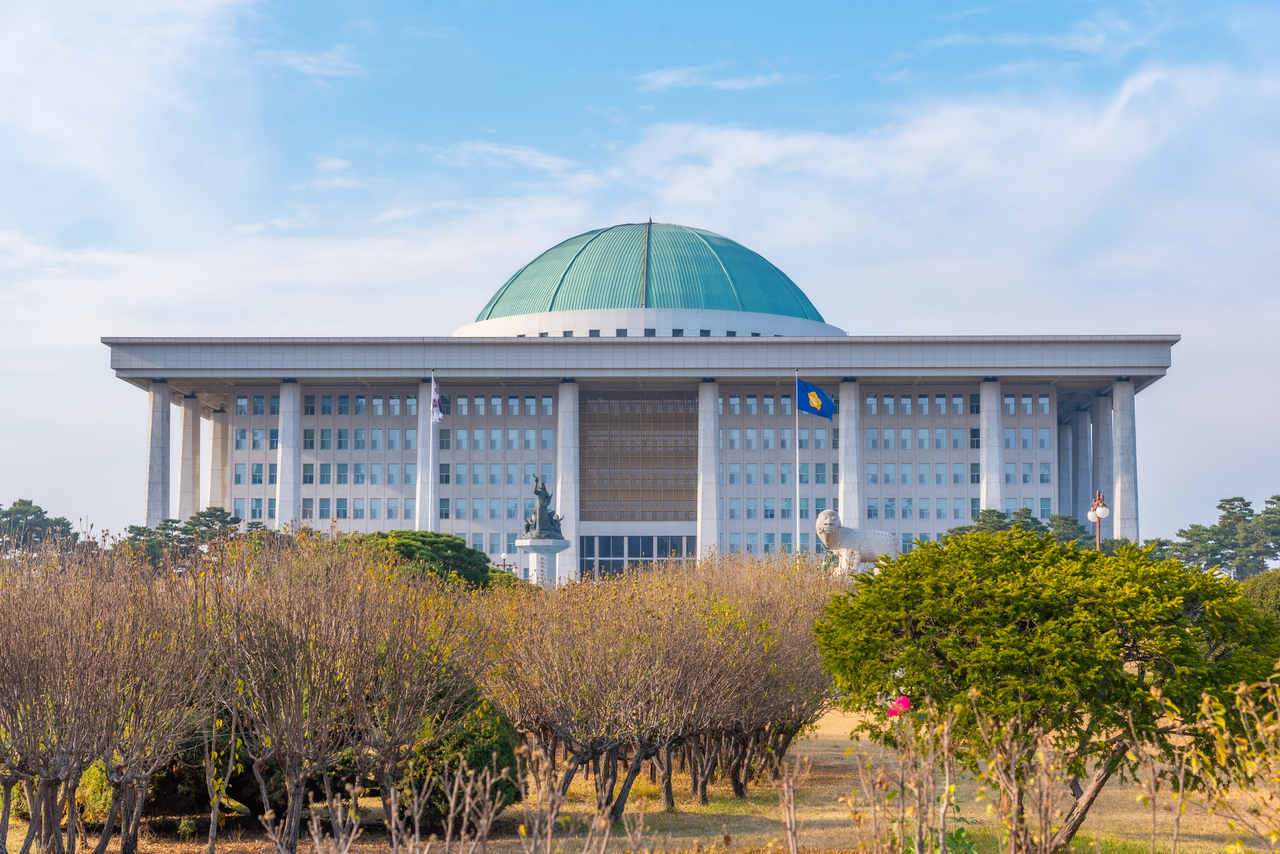
The National Assembly is endowed with the constitutional power to hold the annual legislative process to review and inspect the administration's performance. The summoning of figures outside the public sector has often been put into practice, although they are far from being targets of the parliament's inspection.
While the list of witnesses is subject to change before the audit day, the focus is on whether this year's parliamentary audit could set a new record in terms of the number of South Korean business leaders summoned. In 2024, a record-high 159 entrepreneurs were witnesses, or about 30 percent of all 510, at the National Assembly's regular audit. The number of witnesses from business circles came to 144 in 2022 and 95 in 2023.
Expectations remain that a large number of business leaders will testify despite moves to minimize their presence at the audit.
Rep. Mun Geum-ju of the ruling Democratic Party of Korea told reporters on Oct. 1 that there have been requests from the party's floor leadership to summon fewer business leaders.
As of Oct. 2 — just before the weeklong Chuseok holiday began in South Korea — 15 out of 17 parliamentary committees had reportedly adopted lists of those to be summoned for the audit.
This year's audit is expected to take place over three weeks, from Monday until Oct. 31, reviewing the performance of 834 public institutions. This partially overlaps the period of South Korea's hosting of the APEC CEO Summit from Oct. 29-31 and the APEC Economic Leaders Meeting from Oct. 31 to Nov. 1. The parliament is also poised to carry out separate audits in early November targeting organizations such as the presidential office, the National Human Rights Commission and internal bodies of the National Assembly, such as its secretariat.
The upcoming inspection will also be the first since the Democratic Party returned to power with the inauguration of President Lee Jae Myung in June. Lee was elected after his conservative predecessor Yoon Suk Yeol, of the People Power Party, was removed from office in disgrace in April after his failed attempt in December to impose martial law.
consnow@heraldcorp.com