Misfires of Eggslut, Taco Bell in Korea’s fast food market offer hard-earned lessons for new partnership
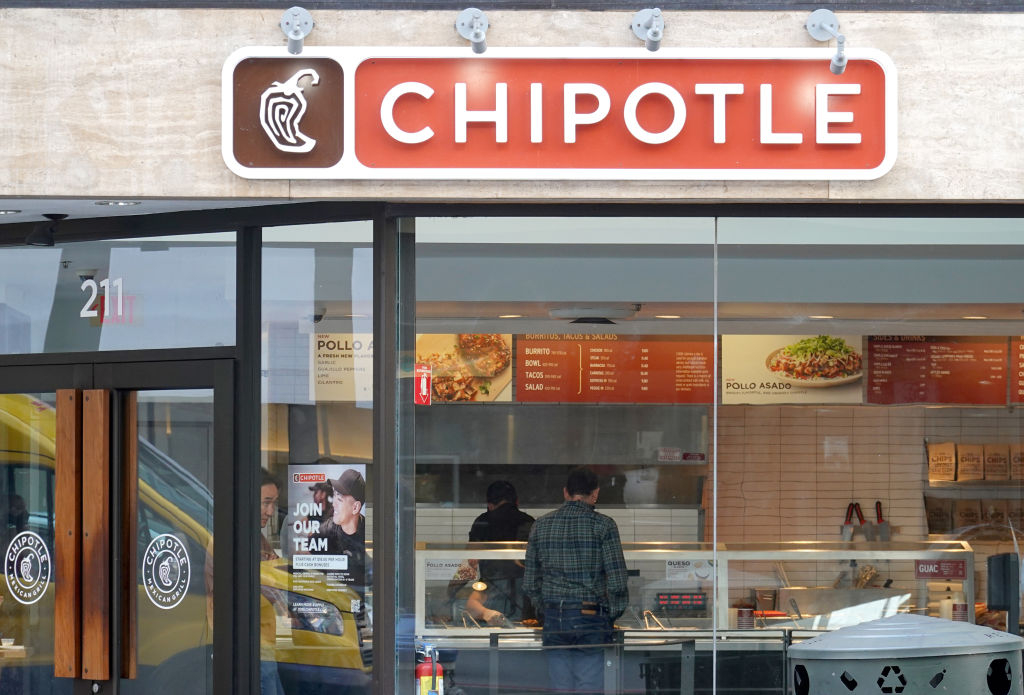
Chipotle Mexican Grill is finally heading east, launching its first Asian locations in Korea and Singapore next year through a joint venture, S&C Restaurants Holdings Pte. Ltd, formed with SPC Group affiliate Big Bite Company.
Chipotle’s trust in SPC Group owes much to its track record with global chains, with BR Korea operating Baskin-Robbins and Dunkin’ and Big Bite Company overseeing Shake Shack and Jamba.
Bold as it is, the burrito chain’s success may hinge on SPC’s finesse in navigating Asia’s food market, especially in Korea, where fried chicken and burgers still reign.
At the helm of Chipotle’s new chapter is Executive Vice President Hur Hee-soo, the second son of SPC Chair Hur Young-in.
Hur is best known for introducing Shake Shack to Korea in 2016, with its Gangnam flagship once ranking as the highest-grossing location globally.
Under the group's management, Shake Shack now operates 46 stores across Korea, Malaysia and Singapore, where it has maintained a presence for six years, a market Chipotle is eyeing alongside Korea.
"Shake Shack's overall growth is the result of a confluence of factors, including Hur’s localization strategy, brand differentiation and organizational restructuring," a company official said, citing initiatives such as tailored menus and customized store designs.
Despite Shake Shack’s success, breaking into a fast-food landscape already crowded with familiar and affordable homegrown chains is no easy feat for Mexican cuisine, which, according to industry insiders, still lingers at the margins of Korea’s culinary mainstream.
SPC once faced a setback with Eggslut, the US egg sandwich chain it introduced in 2020. The chain failed to sustain its initial buzz and closed all four locations last year due to sluggish sales and limited menu appeal.
Taco Bell’s repeated struggles in the Korean market, a fellow Mexican-inspired brand now attempting yet another comeback, offer a cautionary tale as well.
First entering Korea in 1991, Taco Bell has had an on-again, off-again presence in the market and is now barely hanging on under current operator Kalisco, with just nine stores nationwide.
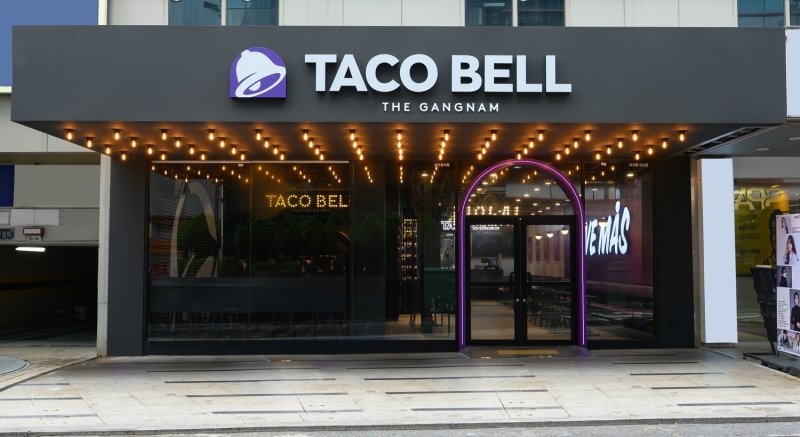
This time, under a new master franchise deal with KFC Korea, its fourth local partner, Taco Bell opened a flagship store in Seoul in mid-September in a bid to lift the long-overlooked chain out of niche status.
“Taco Bell has established a solid presence globally, but in Korea, it struggled due to low brand recognition and a lack of localization strategy,” said an industry official. “Brand power alone won’t cut it. The key is whether SPC can adapt Chipotle to meet Korean expectations.”
SPC’s optimism remains firm in the face of Korea’s unforgiving market, with the new Mexican flavor expected to translate into sustainable growth momentum.
“The Chipotle partnership is a chance to maximize synergies from our global brand experience,” an official from SPC Group said.
Last year, Big Bite Company posted 107 billion won in revenue, up 18 percent on-year, but closed the year with an operating loss of 1.94 billion won, largely due to high fixed costs, particularly payroll and service fees.
The recent tie-up is just as critical for Chipotle, arriving as the US chain weathers softer earnings. Its second-quarter results reflected tightening consumer spending, with comparable sales down 4 percent and operating margins slipping to 18.2 percent from 19.7 percent.
Chipotle CEO Scott Boatwright said Asia presents immense growth potential in the rapidly evolving dining-out sector.
“Real food prepared fast is in high demand in these markets and with notable brand awareness among consumers, we see potential for strong adoption out of the gate," he said.
minmin@heraldcorp.com