South Korea’s booming market for cultural merchandise has hit a brick wall. Overseas demand is exploding, but the country’s ability to produce and export these goods has not kept pace.
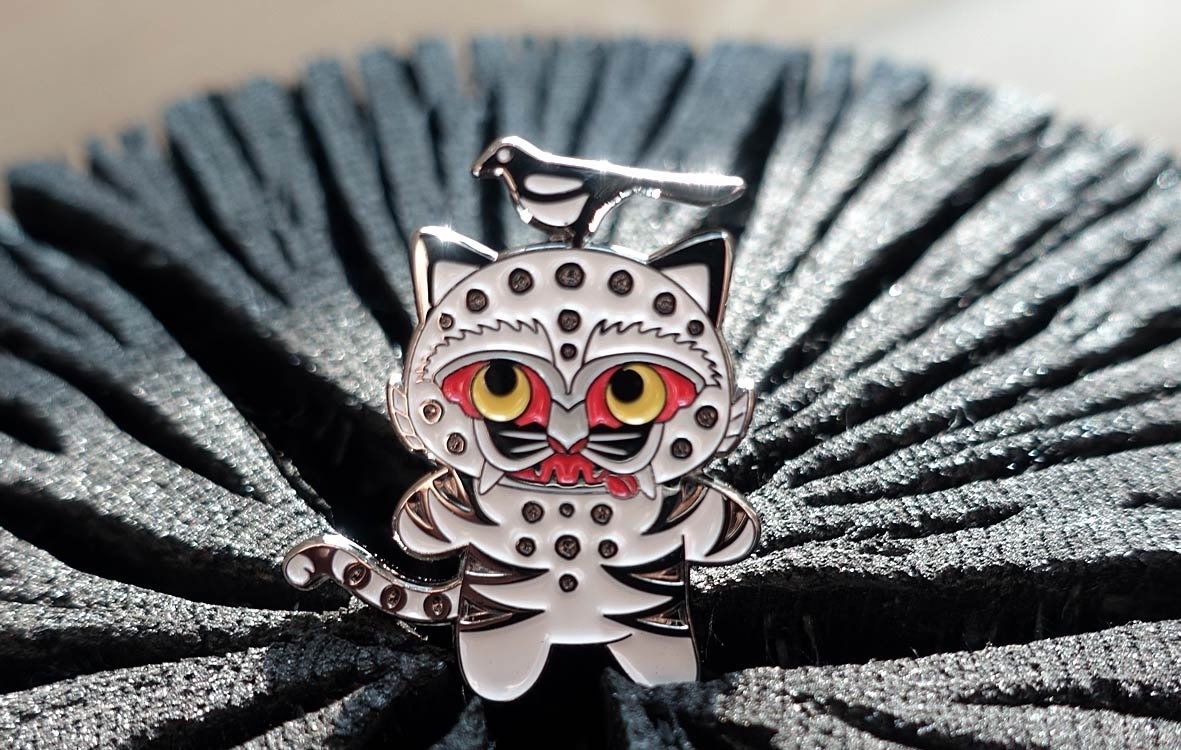
The mismatch became stark in July when sales of a single item, the Magpie Tiger Badge, hit 558.8 million won ($401,200) in just one month. According to figures released by the Ministry of Culture, Sports and Tourism through lawmaker Park Soo-hyun, that was more than 80 times the sales for the first half of 2025 combined.
Production, however, stopped at around 1,000 units a week, leaving both Korean and international fans empty-handed.
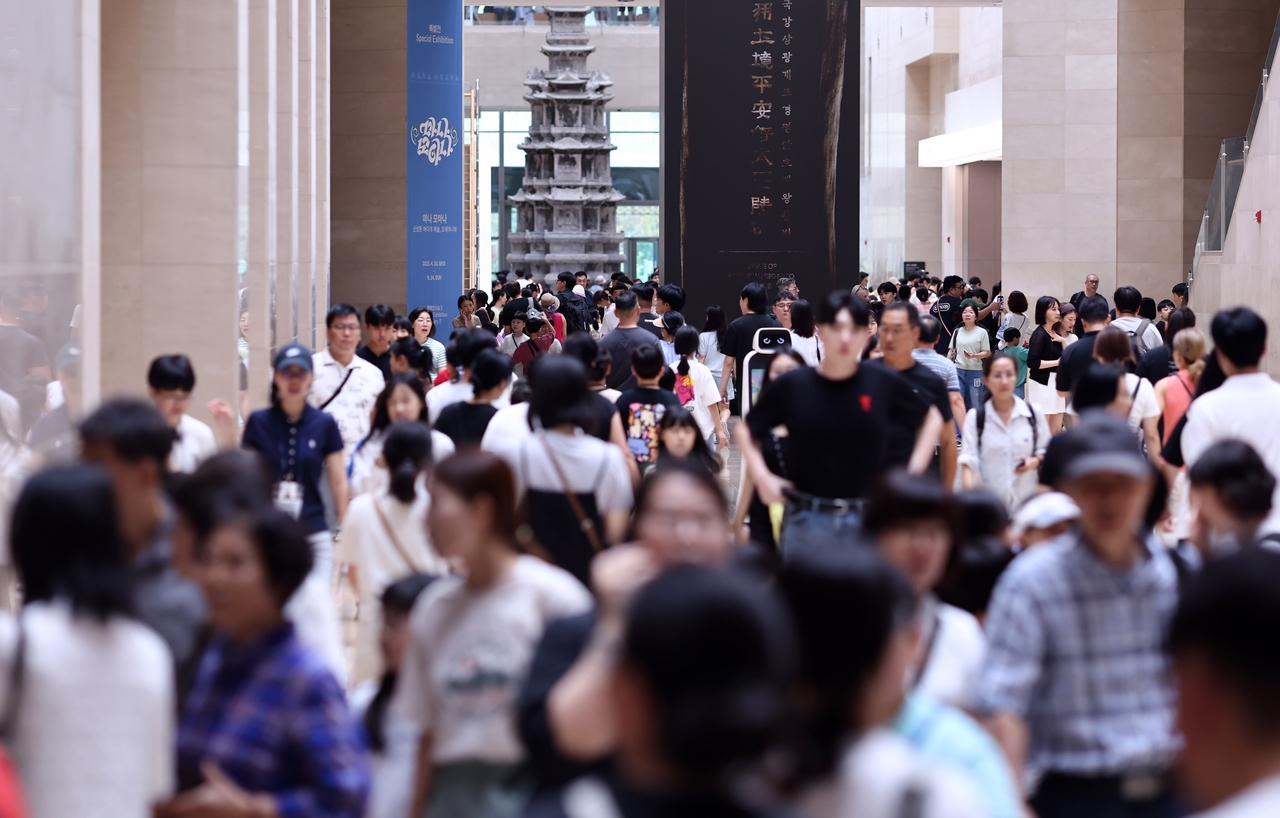
The badge, sold through the National Museum of Korea, is modeled on the "kkachi horangi" motif of magpies and tigers; it happens to resemble Derpy, a character in "K-Pop Demon Hunters." Its popularity shows how traditional Korean symbols fused with pop culture can find a global audience. Its scarcity highlights the weaknesses of the current system.
Production is handled by Jiphyeonjeon, a two-person local firm that won the National Museum Cultural Foundation’s product contest. Because the intellectual property rights remain with the company, only the foundation can distribute and promote the product.
“The badge belongs to the company that won the contest, and the foundation is required to source exclusively from that company,” a foundation official told local media. The Ministry of Culture, Sports and Tourism added that rapidly scaling up factories is unrealistic and that quality control must be protected.
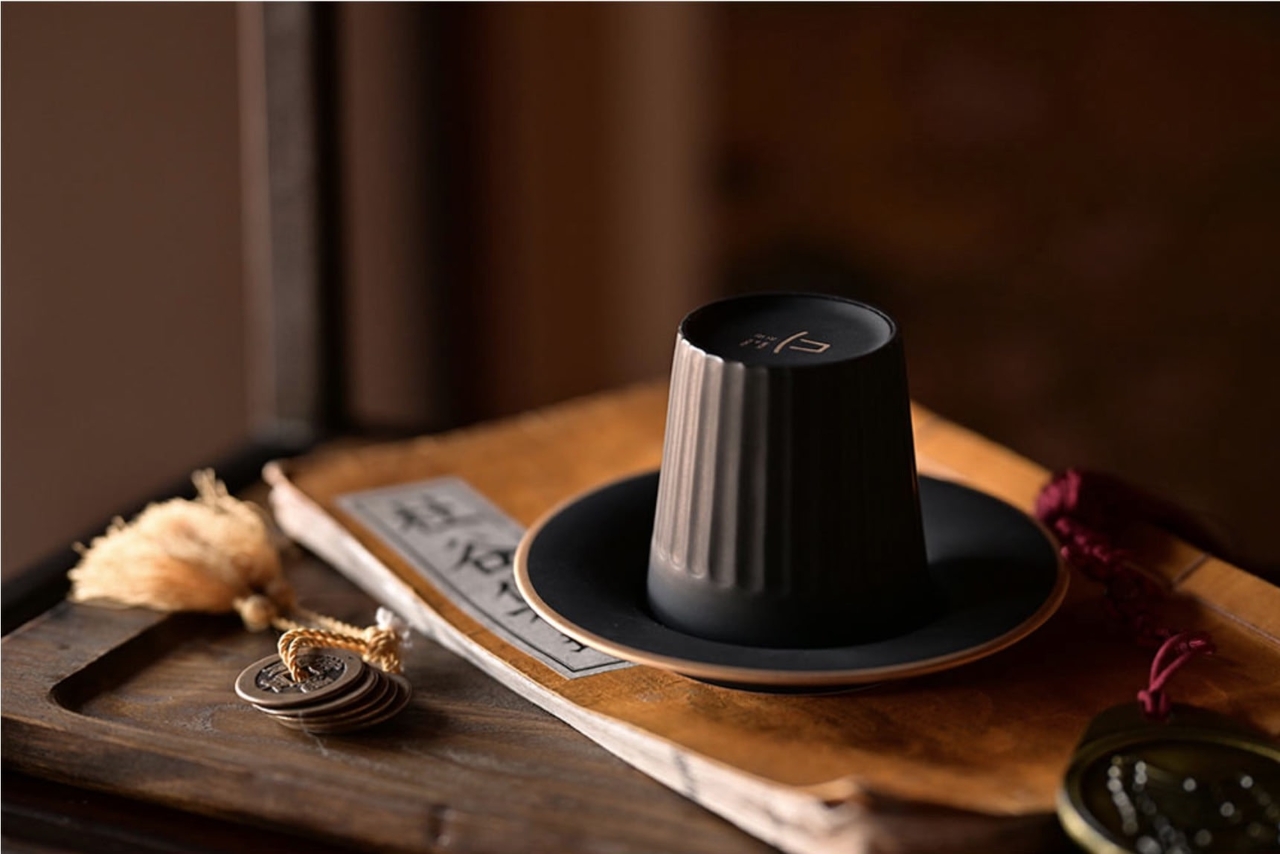
The bottleneck is not unique to the badge. A mug inspired by the gat, a wide-brimmed hat worn in the Joseon era (1392-1910), sold 240 units in July for 9.87 million won before selling out. A brooch based on the same design and several other heritage-themed products are also sold out. As most museum contest winners are tiny operations, shortages and resale markups have become the norm.
The frustration extends to official merchandise made outside the museum. Netflix released a plush toy of Derpy, but fans criticized it for omitting the magpie that perches on the character’s head in the film, an image tied to traditional hojakdo paintings. Some even said unlicensed versions made in China looked closer to the original.
Industry observers argue that these examples point to a larger structural challenge. Korean cultural merchandise has proven it can resonate with consumers worldwide, but without a strategy for industrial-scale production and export, the country risks losing out on its own success.
mjh@heraldcorp.com