From casting couch to backroom deals, Lee discusses Korean cinema’s history of exploitation and why the series' message still matters today
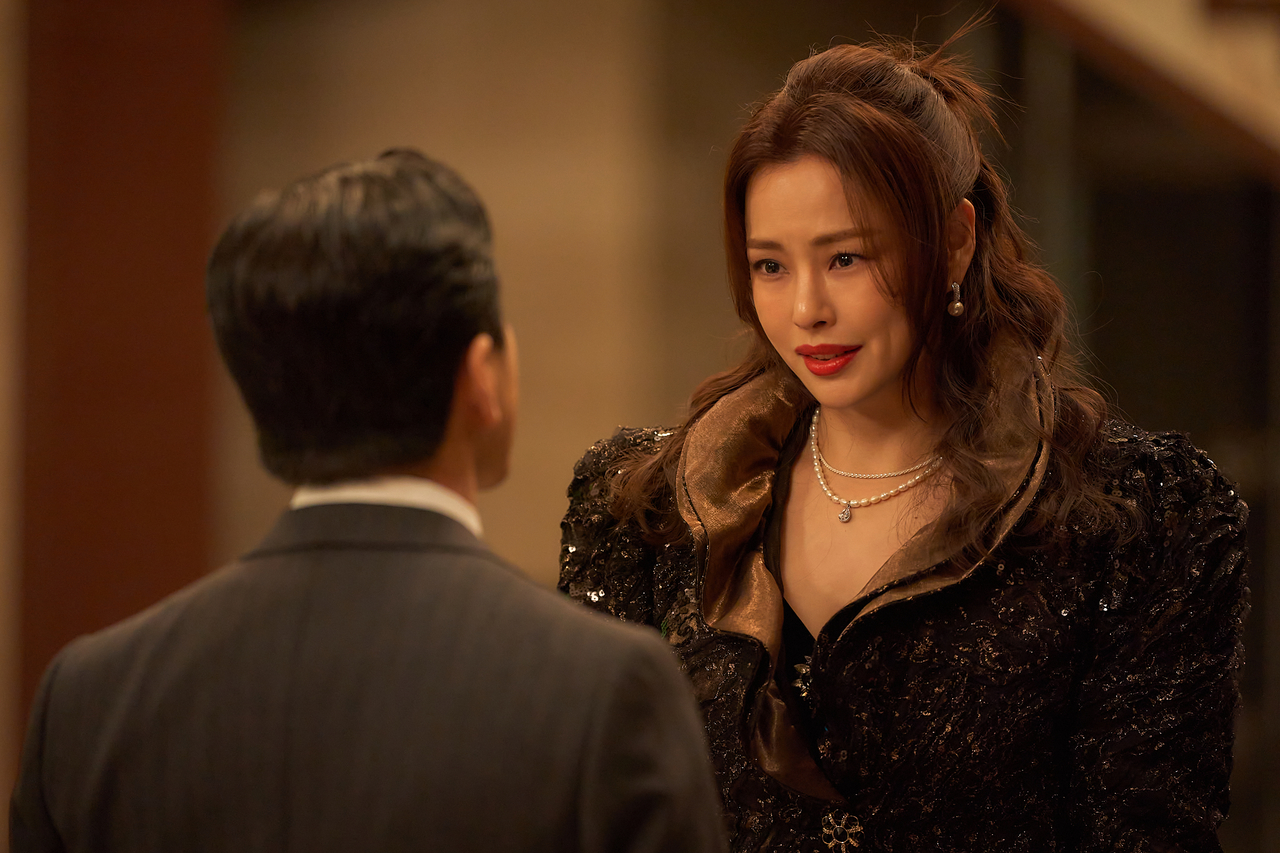
The Netflix series “Aema” is unapologetically provocative — revisiting Korea’s most popular erotic film "Madame Aema" (1982), while splicing in pointed references to real-life figures, including former President Chun Doo-hwan, to expose the sexual exploitation and abuse of power that plagued the country’s film industry in the 1980s.
The series tackles sensitive material head-on, from casting couch to late-night “banquet halls” where female actors were expected to play hostess for politicians.
Lee Ha-nee, who stars as Hee-ran in the series — an A-list actor who refuses to appear nude in an erotic production and loses her role to rising talent Joo-ae (Bang Hyo-rin) — was frank about the challenges of navigating such combustible material.
“Rather than literally recreating or reproducing reality, I thought ‘Aema’ satirized certain moods or atmospheres of the 1980s. At times, it may feel a bit uncomfortable because it’s portrayed so directly, but in the case of the banquet hall scene … I interpreted it as being simultaneously very realistic in some aspects and very dramatic and fantastical in others. Still, I think such a scene was necessary,” said Lee, who participated in an interview via Zoom Aug. 19 while expecting to give birth any day. She gave birth to a daughter, her second, on Sunday.
It’s that blend of rawness and theatricality, she added, that makes the episode such a pivotal hinge in the narrative.
“For ‘Aema,’ (the banquet hall scene) was a very significant piece of work. For me as well, it wasn’t so much a burden as it was a crucial period that I approached with a sense of importance while filming.”
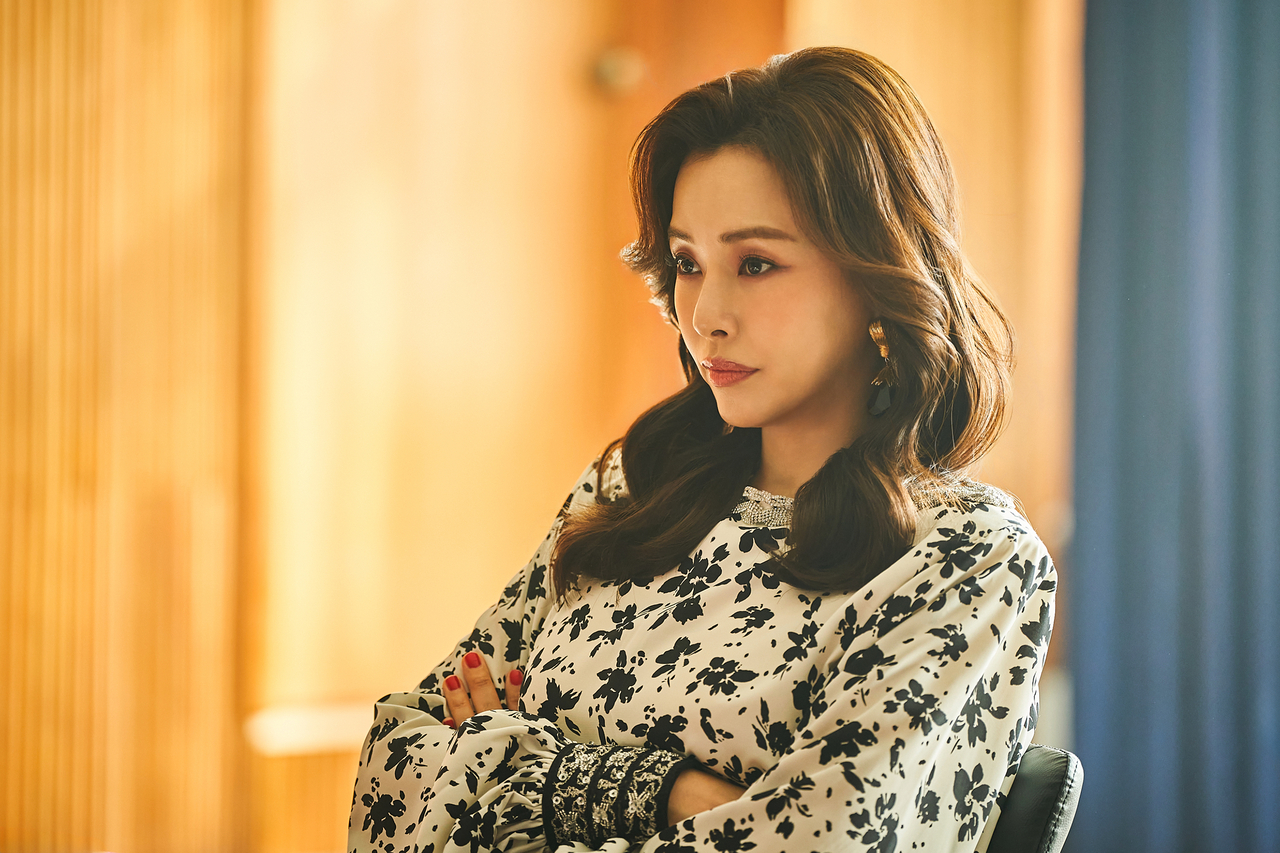
Lee underscored the show’s central theme of resistance, adding that while “Aema” is rooted in a distinctly Korean history, it carries universal resonance.
“I think there are still issues out there that require someone to speak up with courage. So even though this is really just a drama, if it connects with people who recognize our history of struggle and see themselves as part of that ongoing legacy, I believe viewers around the world will watch it, enjoy it and relate to it," she said.
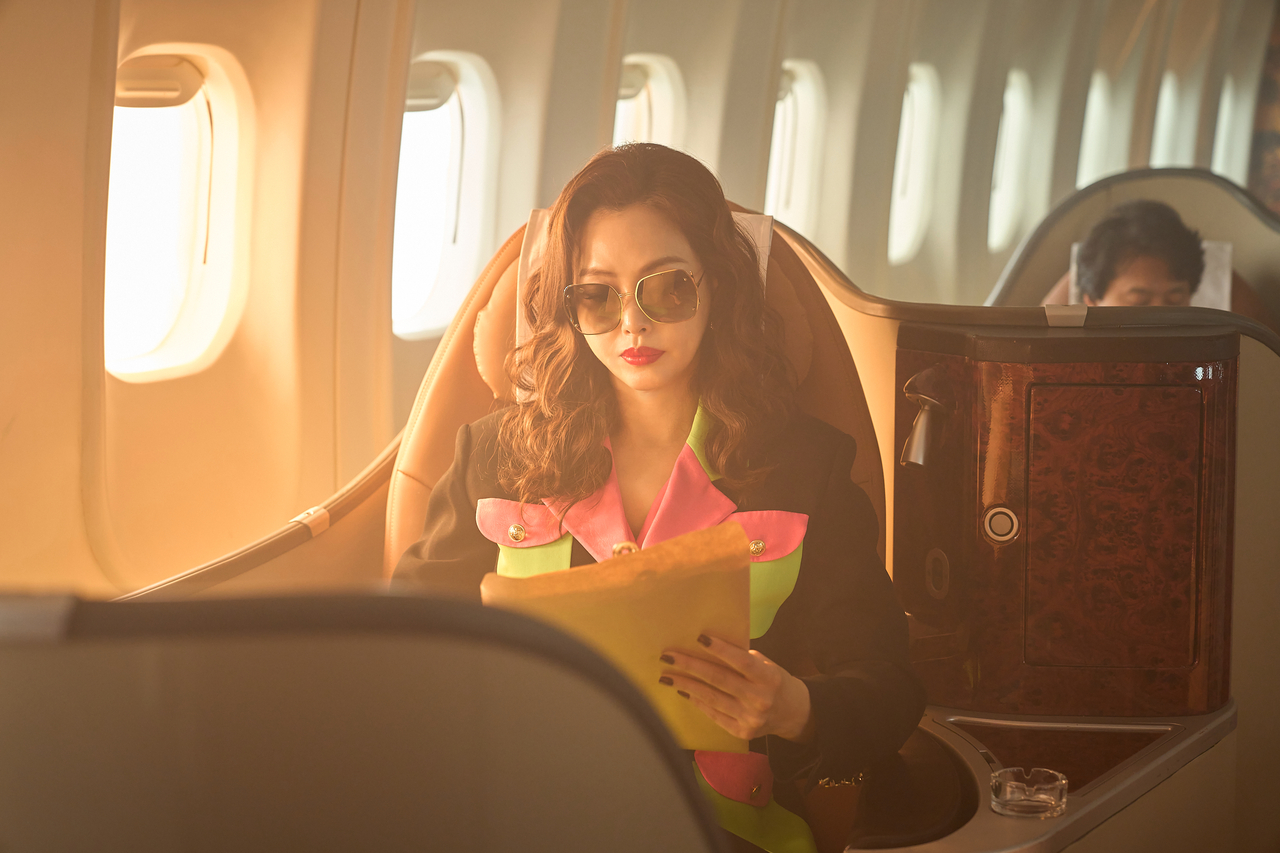
On a personal level, Lee, a 16-year screen veteran, admitted she saw parts of herself in Hee-ran’s fraught relationship with Joo-ae, acknowledging the push-and-pull between generations.
“Honestly, there are so many younger actors these days who are just incredibly talented. … So yes, I can definitely understand Hee-ran’s feelings when she looks at Joo-ae," she said.
“But for me, more than dwelling on that kind of insecurity, what really matters is asking myself: How can I act with more seriousness, more depth, without letting go of that commitment?”
Rather than taking her longevity for granted, Lee said she approaches every new project with a sense of urgency and gratitude.
“These days, it’s no longer the case that female stars have to retire just because they have children. But still, I personally approach each project as if it might be my last. Life is unpredictable, and so many variables can come up that prevent you from taking on the next role — I’ve even seen it happen to people close to me. That’s why I treat every single project as precious, as if it might be my final one.”
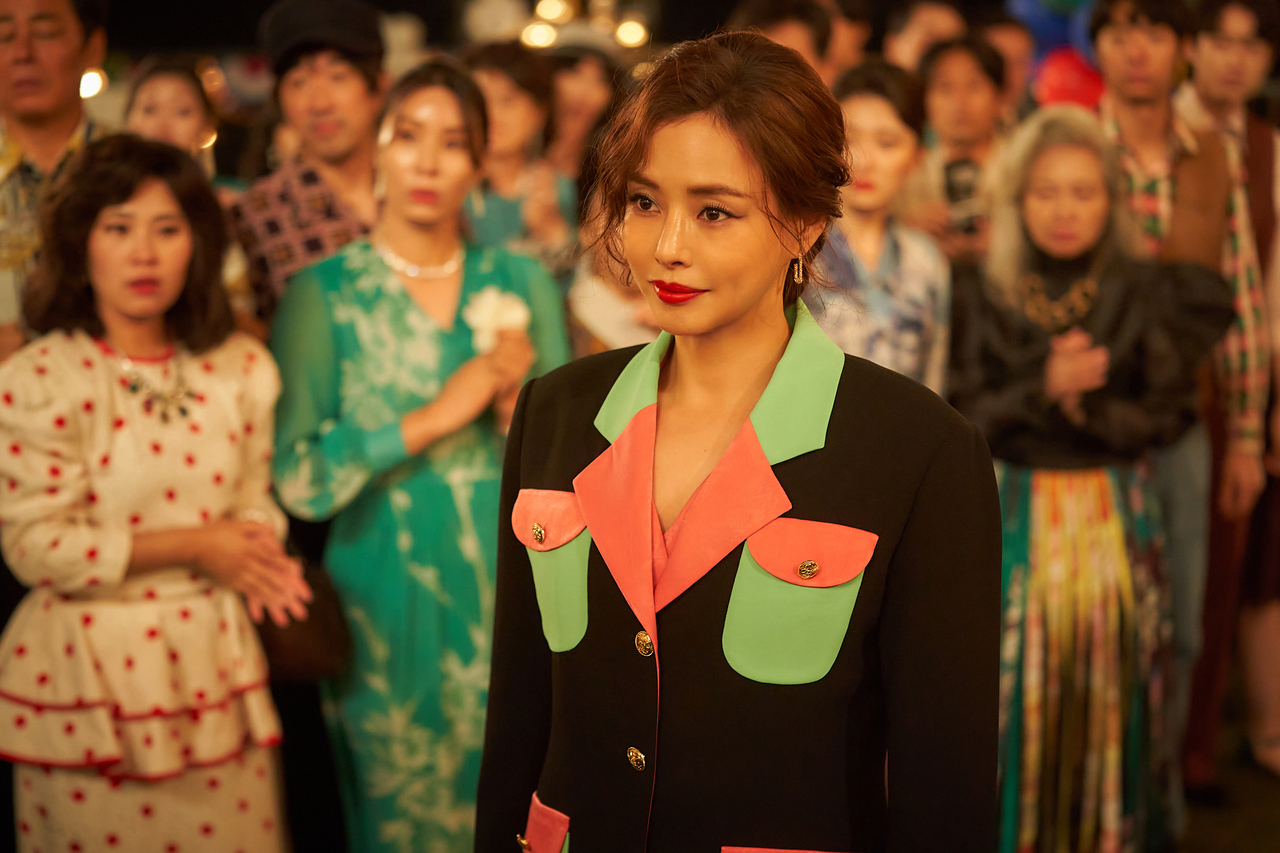
Asked how she might have navigated the industry in the 1980s as a female actor herself, Lee replied: “I think I would have been a more sharp-edged actor. The 1980s were really the era of erotic films, and I often thought about how exhausting it must have been to live as a female actor during that time."
"While researching and watching many works in preparation for 'Aema,' I kept feeling that the senior female stars who acted purely out of love for the craft must have gone through incredible hardships. ... I imagine many of them must have even thought about retiring — not just because of the heavy social pressures, but because of how drained and consumed they must have felt personally," she said.
yoonseo.3348@heraldcorp.com