10% of all requests for illness-related leave are due to trauma
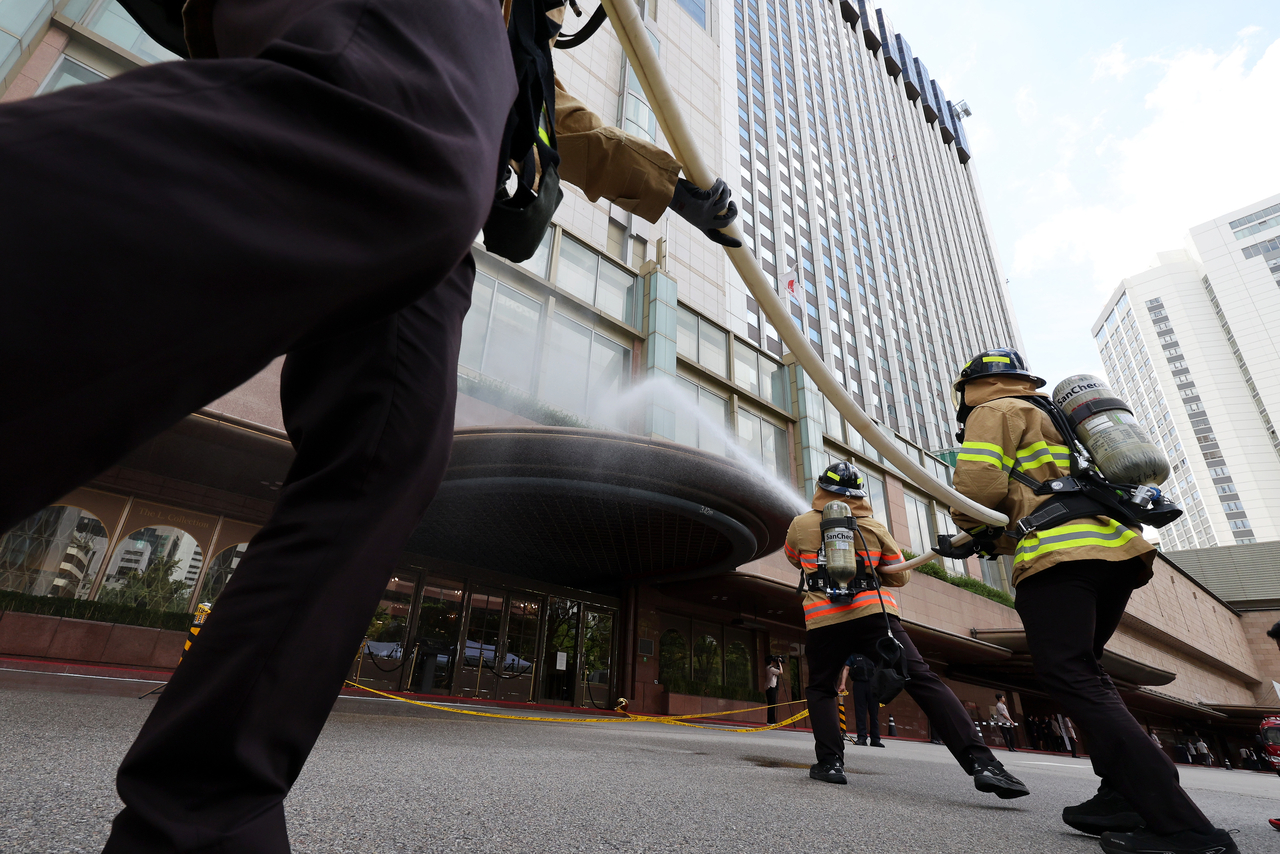
Following recent news that two firefighters dispatched to the deadly 2022 crowd crush had died by suicide, a report by a local media outlet revealed that requests for time off and benefits have been rejected for a quarter of firefighters who claim work-related trauma.
According to Newsis, there were 122 cases of firefighters requesting medical leave for mental health issues, such as post-traumatic stress disorder and severe depression, from 2020 to 2024. Of those, 31 (25.4 percent) were not approved, according to the data from the Ministry of Personnel Management and the National Fire Agency.
The number of such requests went from 24 in 2020 to 13 in 2021, 29 in 2022, 25 in 2023, and to 31 in 2024. Twenty-one firefighters took their own lives in 2022, the highest figure in those five years.
Out of all 1,190 requests for time off and medical care in 2020-24, cases related to mental illness accounted for nearly 10 percent.
Public officials, including firefighters, are entitled to be reimbursed for medical costs and receive payment during the time it takes them to recuperate from illness directly caused by their job. Such requests are reviewed by the Ministry of Personnel Management, which determines whether the illness is directly related to the applicant's service as a state official.
Public officials have to prove how their work led to trauma
Not all cases are acknowledged to be directly linked to the applicant's work, as in the case of a firefighter found dead at his home on July 29. The 44-year-old had submitted a request for state-recognized medical leave earlier this year, citing trauma, but the request was rejected by authorities.
The victim was among firefighters dispatched to the 2022 Itaewon crowd crush on Halloween weekend in Seoul, which left 159 dead and 195 injured. He claimed to have been traumatized by seeing so much death and family members scream in pain, which inflicted critical damage on his personal life.
The MPM, however, said that the applicant's mental illness likely stems from personal issues, pointing out that he was first diagnosed two years after the crowd crush incident.
Another firefighter who was found dead on Aug. 20 had also been receiving treatment for depression, which started after he was sent to the site of the Itaewon tragedy.
The two deaths sparked complaints from the local firefighters' union, under the Korean Government Employees' Union, which raised issues about the difficulty of traumatized firefighters having to prove the direct link between their mental conditions and the job that left them mentally scarred.
"It is no coincidence that two people lost their lives for the same reason ... The fact that more officials are having their request for recuperation period rejected means that the current system cannot protect firefighters," the union said in a statement released Friday.
"Firefighters are 10 times more likely to suffer from PTSD. But their pain is often reduced to personal issues, and does not receive attention from society."
In response to public scrutiny, officials decided to conduct counseling on some 3,300 firefighters and rescue workers who were dispatched to recent tragedies, which include the Itaeon tragedy and the Jeju Air crash in December that killed 179.
If you're thinking about self-harm or suicide, contact South Korea's Suicide Prevention Hotline at 109. For foreign language assistance to connect with mental health professionals, call Danuri Portal's helpline at 1577-1366.
minsikyoon@heraldcorp.com