Regulators tighten oversight of misuse of business loans, luxury property deals in crackdown
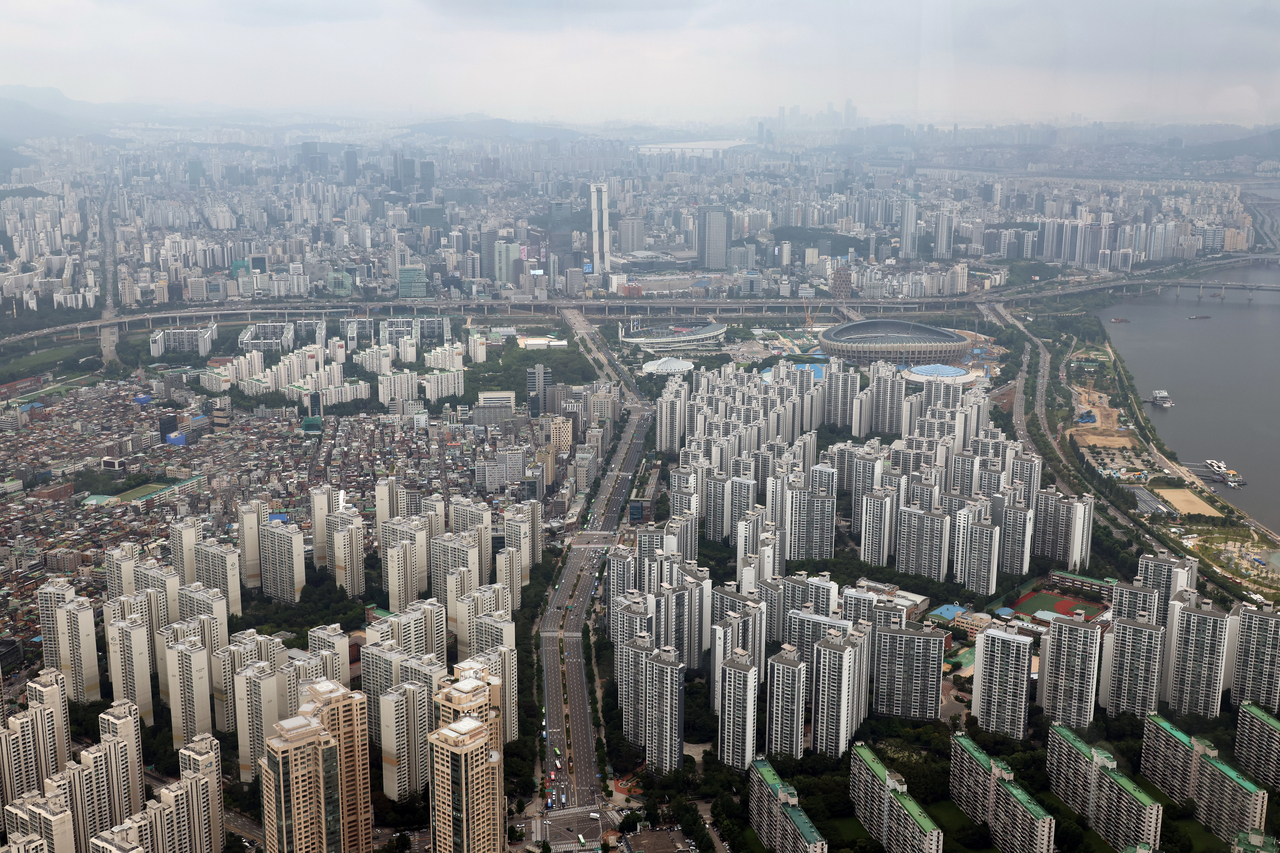
Even before last week's lending rules began to ripple through the market, President Lee Jae Myung signaled that more aggressive real estate measures are on the way, calling the recent curbs just the start of a broader crackdown to cool housing prices.
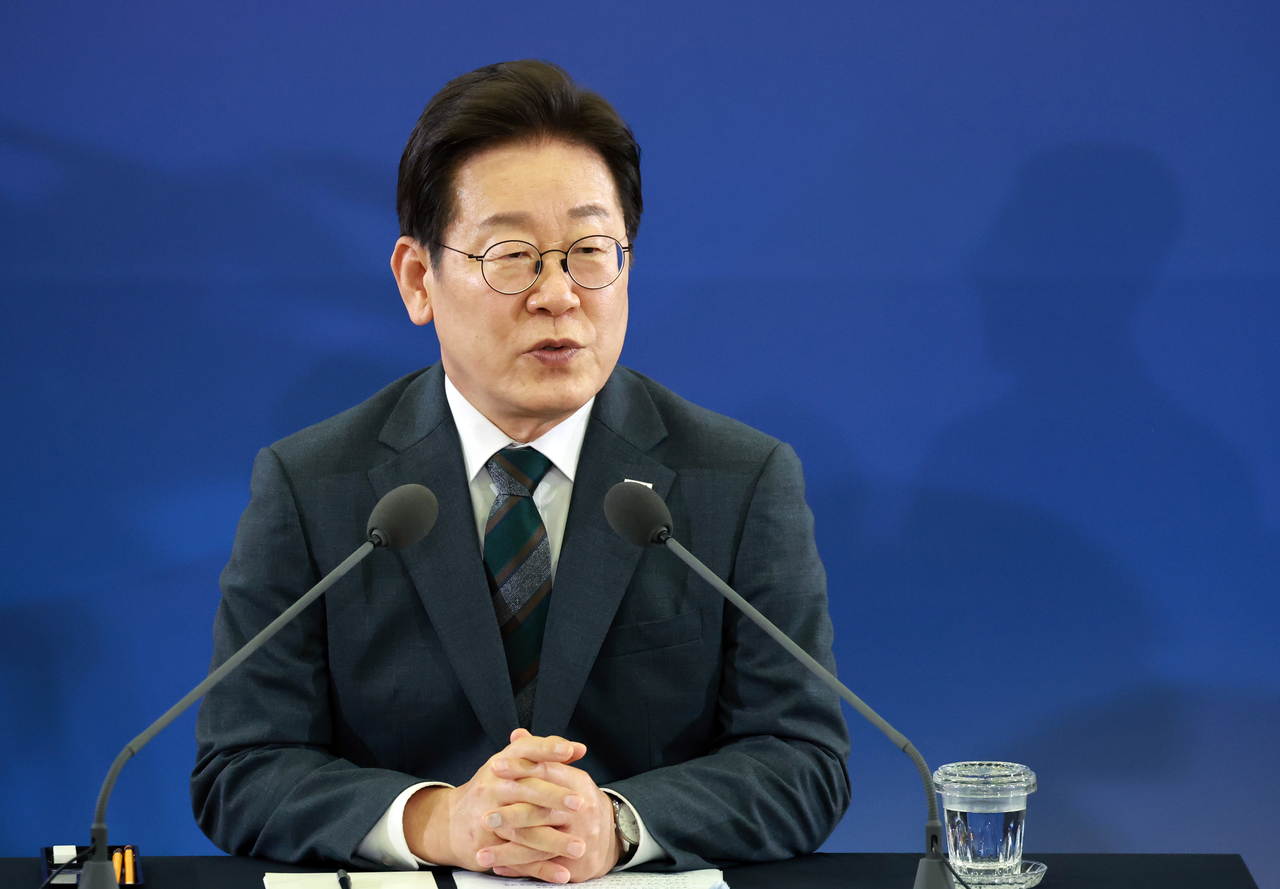
Speaking Thursday at a press conference marking his first 30 days in office, Lee described the so-called “June 27 loan curbs” as “just a taste” of what’s to come. “We have a range of policies ready to curb demand while expanding supply,” he said.
Lee’s remarks came a week after the rollout of his administration’s first measures targeting the overheated housing market in Seoul and surrounding areas. The rules included a ban on mortgage lending for additional home purchases in regulated zones, a 600 million won mortgage cap and a tighter loan-to-value ratio for first-time buyers, reduced to 70 percent from 80 percent, coupled with a six-month move-in requirement. The government also capped unsecured loans at a borrower’s annual income.
“In this land-scarce country, capital concentration is intensifying further,” Lee said. “I’m determined to reverse the speculative forces that are distorting the housing market.”
The top priority is to eliminate speculative demand that is driving up housing prices and burdening genuine buyers. Many are forced into excessive debt, fueling further price hikes while weakening the economy by diverting household spending toward debt repayment. Capital remains tied up in real estate instead of flowing into investments that could boost the country’s industrial competitiveness.
In line with this push, regulators on Thursday unveiled a new round of measures — this time targeting abnormal transactions.
At a household debt monitoring meeting led by the Financial Services Commission and attended by other financial authorities, relevant ministries and lenders, the government announced it will tighten oversight of business-purpose loan misuse.
Illegally obtained loans will be immediately recalled, with violators facing a one-year ban on new borrowing for a first offense and five years for a second.
Oversight will also be strengthened as the National Tax Service ramps up scrutiny of funding plans for high-priced home purchases and verifies related tax filings. The agency pledged to crack down on questionable fund transfers — such as expedient parental gifts used to skirt tax rules — and unreported income.
The Land Ministry, working with the Seoul city government and other municipalities, will conduct real-time analysis to detect suspicious funding sources, false transaction reports and under- or over-stated contract prices. Violators will face fines and may be referred to investigative agencies for further action.
“Authorities will work to ensure that limited credit resources are not funneled into the housing market for speculative purposes, but instead directed toward more productive areas — such as capital markets and businesses — to support economic revitalization,” an official from the FSC said during the meeting.
Signs of a market cool down are emerging as the curbs take effect. On Friday, the weekly apartment purchase sentiment index released by the state-run Korea Real Estate Board fell for the first time since late April, slipping to 103.7 from 104.2 the previous week. The index is a key gauge of housing demand, with readings above 100 indicating upward pressure on prices as buyers outnumber sellers.
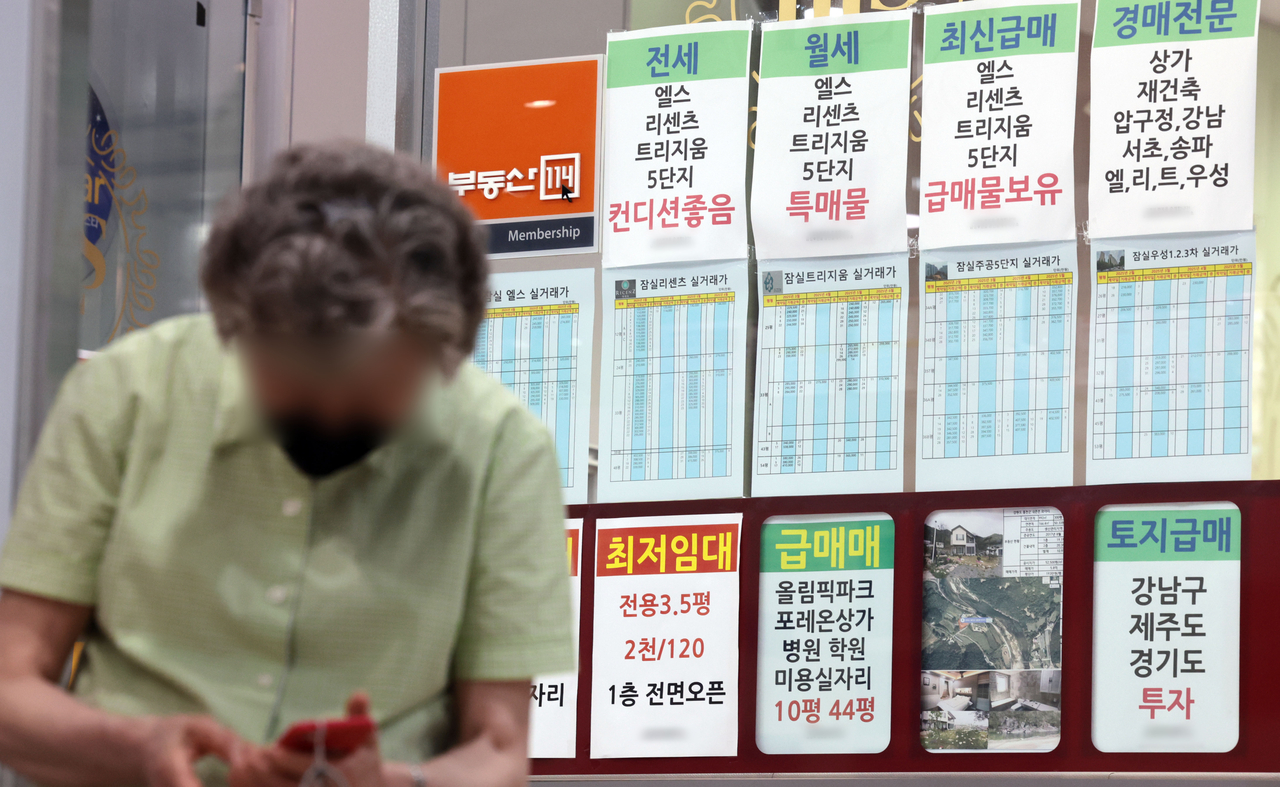
Notably, in southeastern Seoul — including Gangnam, Seocho, Songpa and Gangdong districts — the index this week was 108.8, down 2.4 from last week's 111.2. The area has led the recent housing rally in the capital region, with its index peaking in the final week of June after seven straight weeks of gains since early May.
The market is also grappling with a surge in household debt, as borrowers rushed to secure loans ahead of the new restrictions. According to industry data, household debt at the five major commercial banks rose by 6.8 trillion won in June, marking the largest monthly increase this year.
Mortgages accounted for the bulk of the gain, with housing loans across the five banks jumping 5.8 trillion won. The pace of mortgage growth has accelerated steadily this year, rising by 2.3 trillion won in March, 3.7 trillion won in April and 4.2 trillion won in May.
Regulators expect household debt to continue rising through at least July, noting that it typically takes two to three months for lending curbs to fully filter into the market.
jwc@heraldcorp.com