Tony-award winner on 'Maybe Happy Ending'
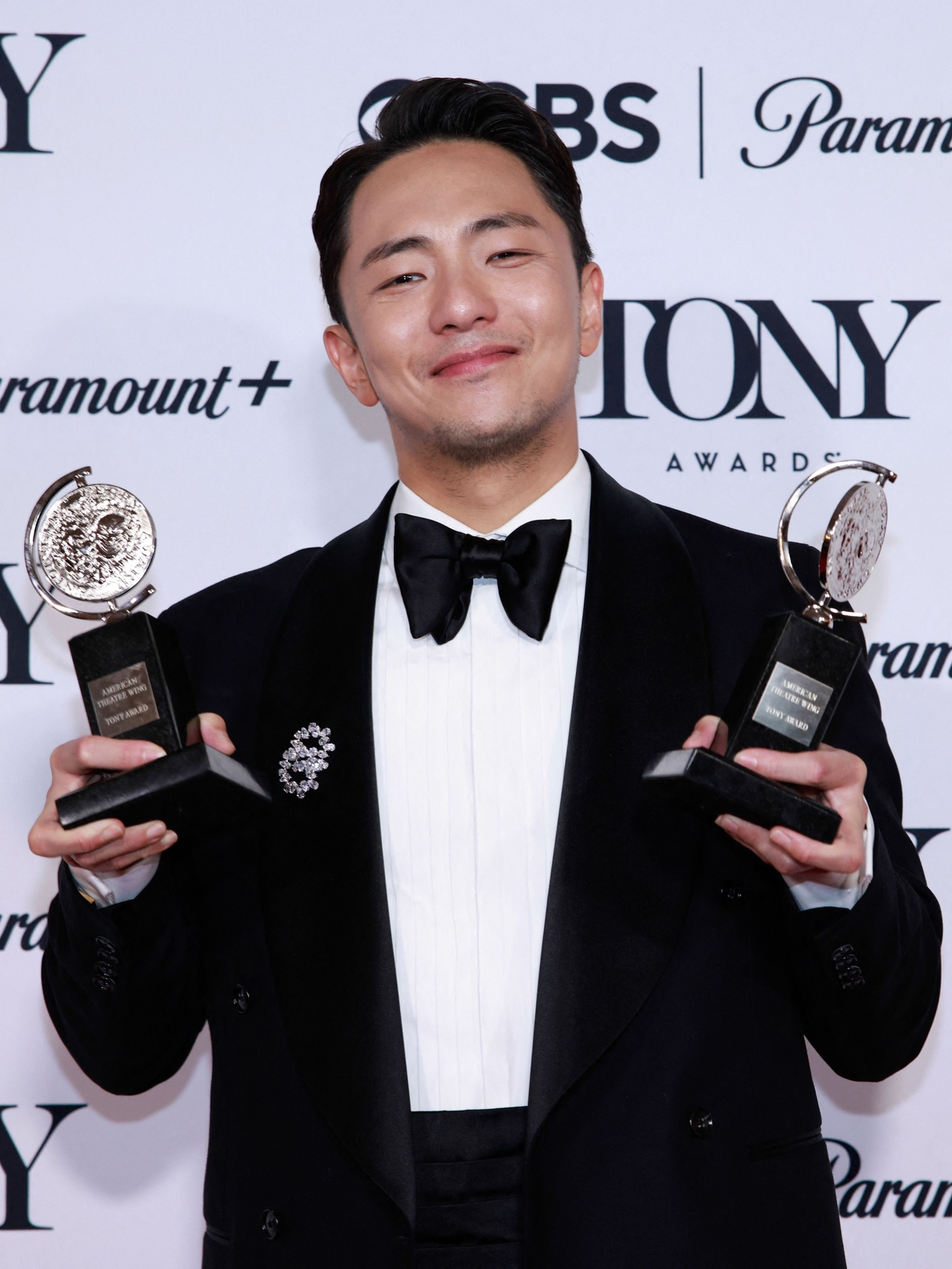
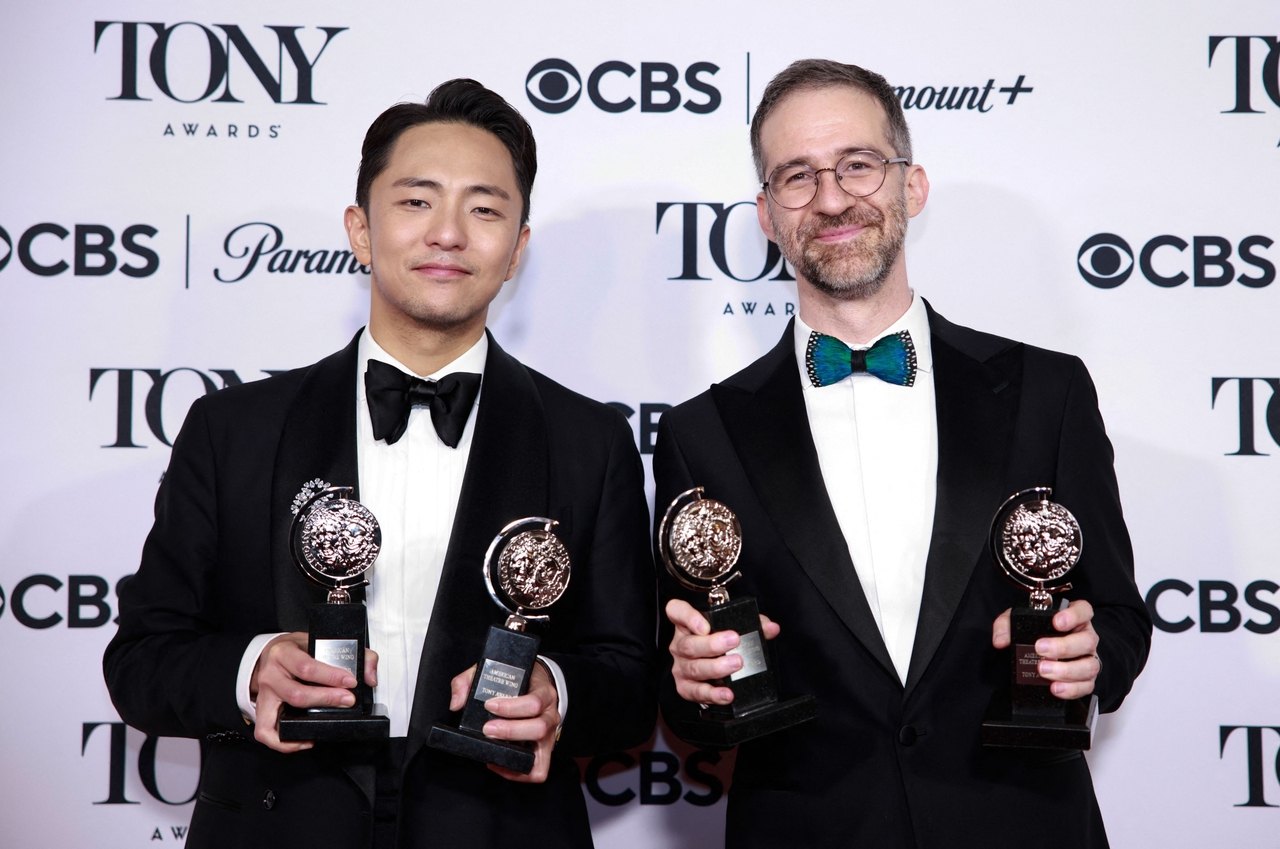
“I wanted to present a world that feels familiar yet strangely unfamiliar to Korean audiences, and one that feels foreign yet oddly relatable to international audiences,” said Park Chun-hue, also known as Hue Park, reflecting on the origins of "Maybe Happy Ending," the 2025 Tony Award-winning musical he co-created with Will Aronson.
That creative vision has defined Park’s approach as a writer and it has resonated widely. Developed with longtime collaborator Aronson, "Maybe Happy Ending" has become one of Korea’s most beloved original musicals, recently making history on Broadway with six Tony Awards, including best musical.
For Park, "Maybe Happy Ending" represents more than accolades: It marks a deeply personal artistic milestone. “It was the first time Will and I built a story entirely from scratch. Creating a world and characters without a pre-existing source was both exhilarating and terrifying," he said in a recent email interview.
"I don’t particularly know why it is loved. From when we first began writing in 2014 to the Broadway opening last fall, we kept refining it, trying to improve its quality even a little. I’d like to believe that’s the reason," Park said.
Set in a near-future Seoul, “Maybe Happy Ending” follows the story of Oliver and Claire — two outdated HelperBot androids discarded by their human owners — who find each other and form a bond neither expected.
On June 8, "Maybe Happy Ending," the Broadway hit adapted from a Korean musical released 10 years ago, won six Tony Awards, including best musical, best book of a musical and best original score. Park became the first Korean citizen to win a Tony.
Central to that process is Park’s extraordinary creative partnership with Aronson. Though often introduced in Korea as the composer, Aronson has co-authored every narrative layer of the show. “In the US, we’re simply called writers -- whether working with notes or words,” Park explained. Their collaboration of 17 years has grown from professional partnership to a kind of artistic kinship, sustained by daily conversations, shared sensibilities and deep mutual respect. “We’ve never divided the work between us. Every challenge, every joy, every step forward — we’ve gone through it together.”

Bringing the show to Broadway involved more than translation; it required a full-scale reimagining. The production was expanded to include dynamic set changes, a larger orchestra and new scenes that were previously left implied in the Korean staging. Some dialogues and songs were also trimmed to streamline the narrative. These changes weren’t made for spectacle, Park noted, but as part of a careful process to elevate the story’s emotional precision and accessibility.
Still, the essence of the original "Maybe Happy Ending" remained intact — and its emotional resonance transcended language. One audience member’s story stayed with Park. During a solo trip to New York, the man had purchased tickets to 10 different shows. "Maybe Happy Ending" was the fifth. Moved beyond expectation, he sold the remaining tickets, changed his flight, and returned home early to be with his wife. Later, as a Valentine’s Day gift, he brought her back to New York so they could see the show together. “He didn’t even send that story to me directly,” Park said. “But I took it as one of the greatest compliments I’ve ever received.”
As Park reflects on what lies ahead, his goal remains simple yet resolute: to keep creating, with sincerity and purpose. “As long as I continue to feel the impulse and desire to tell stories and share music, I want to remain a steady and sincere creator,” he said. “I’ve now spent nearly half my life between Seoul and New York, and as someone who works between two cultures and languages, I hope to tell stories that offer a slightly different perspective -- stories that resonate with many people and carry meaning.”
gypark@heraldcorp.com