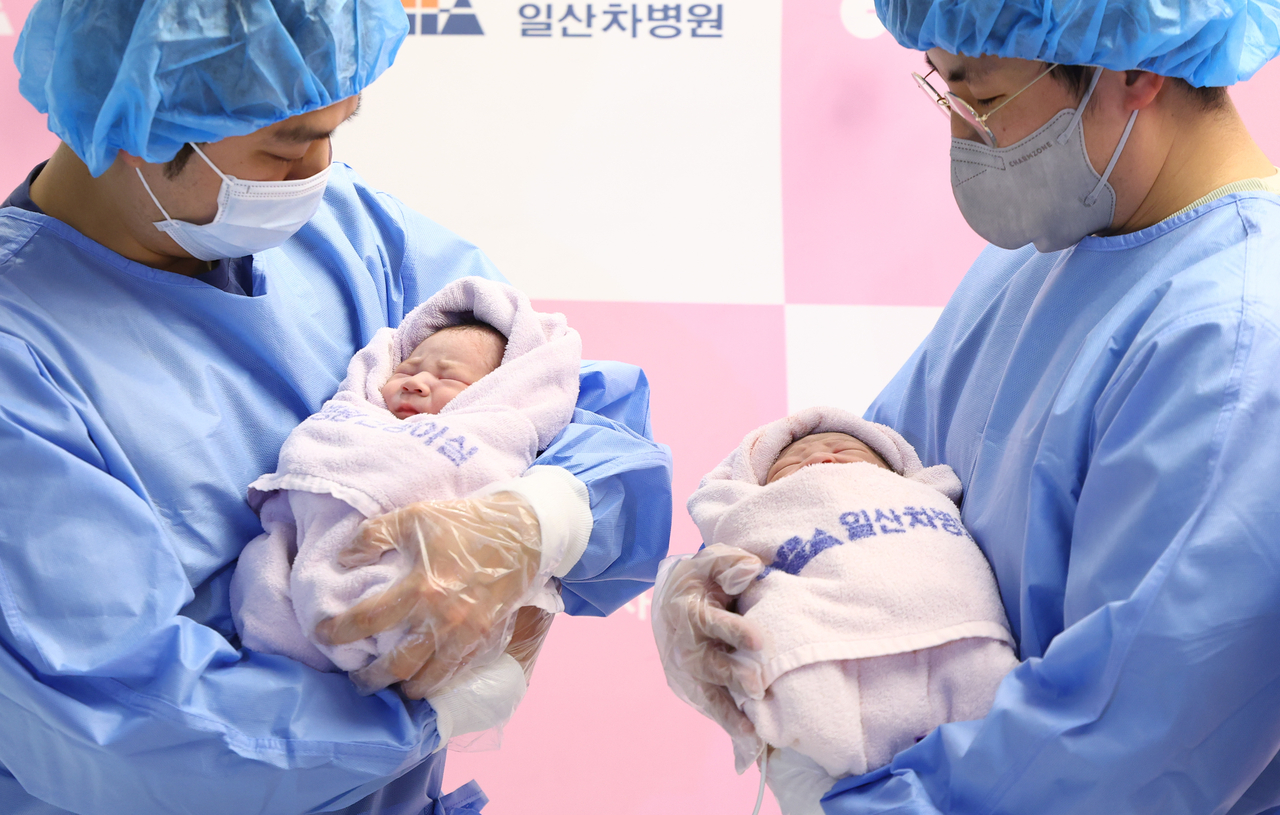
In a bold attempt to reverse its alarming population decline, South Jeolla Province in South Korea is rolling out an unprecedented incentive: a basic childbirth allowance worth up to 43.2 million won (approximately $30,000) per child.
Applicable for children born since 2024, families who have children in South Jeolla and continue living there will receive a monthly payment of up to 200,000 won per child until the child turns 19.
This first-of-its-kind program in South Korea comes as the country grapples with the world’s lowest birth rate and increasing fears of regional extinction -- where entire communities risk disappearing due to aging and shrinking populations.
How the childbirth allowance works
The basic childbirth allowance is structured as a long-term financial commitment to parents who raise their children in South Jeolla. Payments start when the child turns one and continue until their 19th birthday, adding up to:
- 43.2 million won for a first child
- 86.4 million won for a second child
- 129.6 million won for a third child
Each month, eligible families will receive:
- 100,000 won ($69) from the provincial government (paid in cash)
- Up to 100,000 won from city/county governments (paid in cash or local gift certificates)
To qualify, at least one parent must register the child’s birth in South Jeolla and continue to live in the province for the duration of the payments. Families who move away before the 18-year period ends will forfeit future payments.
Parents can apply 30 days before the child’s first birthday through the online Gov.kr portal or at a local administration and welfare center. Payments start the month after approval and are not retroactive.
A province on the brink of population collapse
This drastic policy didn’t come out of nowhere. South Jeolla is losing people faster than anywhere else in South Korea. As of March 2024, its regional depopulation risk index was 0.329, the lowest in the country. The index, which measures the number of women of childbearing age (20–39) relative to the elderly population (65 and older), highlights which areas are at the greatest risk of long-term decline.
For comparison, South Korea’s national average is 0.615.
A region is considered at high risk of extinction if its index falls below 0.5, meaning the population of young women less than half that of female senior citizens. South Jeolla is in an even more dangerous category, with 20 out of 22 cities and counties now classified as at risk. This year, Mokpo and Muan were newly added to that list.
South Jeolla officials believe that reversing the decline requires a fundamental shift in how children are raised in South Korea.
"This policy directly reflects what parents have been asking for," said Kim Myung-shin, director of the province's population bureau. "Our goal is to raise South Jeolla’s total fertility rate to 1.5 by 2030, creating a society where raising children isn’t just a private burden, but something local communities and governments support together."
mjh@heraldcorp.com