Gim, in its many vibrant colors and savory flavors, holds hundreds of years of history and a few surprises, too
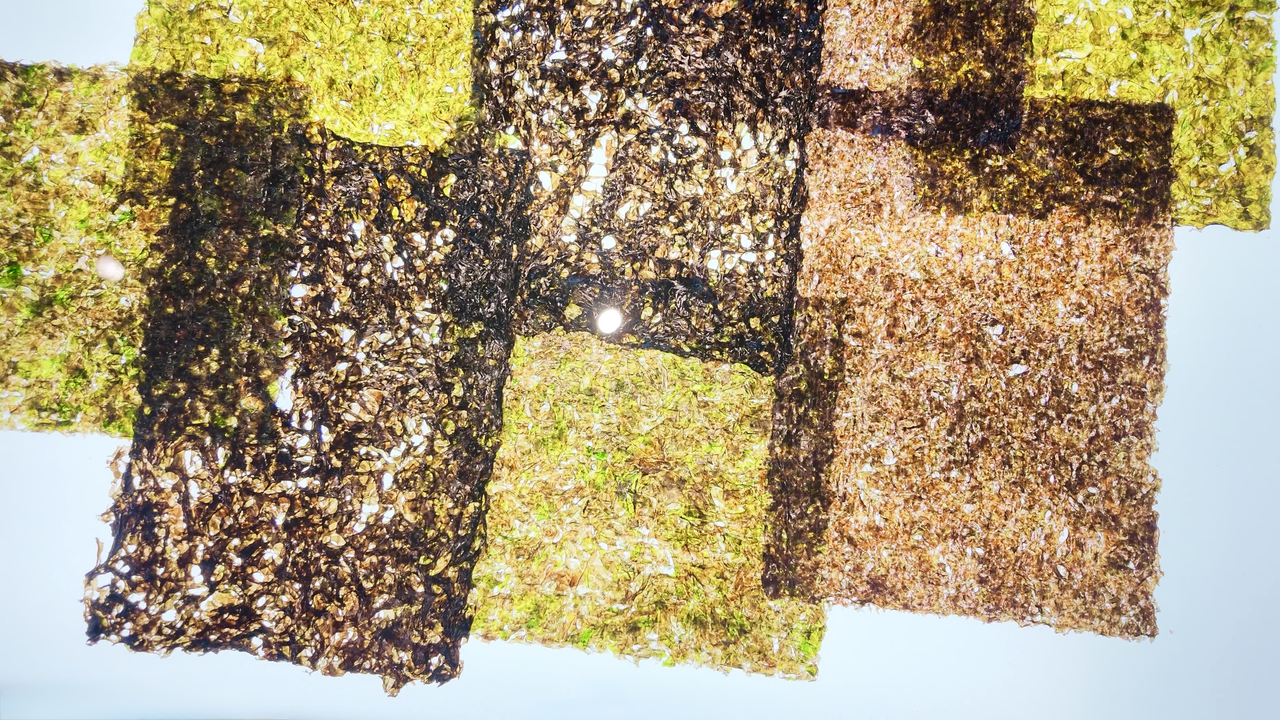
Thin, dark and crisp, gim is a popular and simple addition to many Korean tables, but has more to offer than meets the eye.
Though the dried seaweed is commonly recognized for its near-black appearance, it in fact contains several natural pigments, including chlorophyll, carotenoids and phycobiliproteins. Together, these create a wide range of green, yellow, and red hues based on how the gim is manufactured and served.
Gim adds a savory flavor and crisp texture, too. An enduring pairing is with white rice, often wrapped together in a bite-sized roll. The combination has long been a staple of Korean meals, enjoyed by generations from childhood.
The appeal comes from the seaweed's natural glutamate, an amino acid associated with savory flavors. Glutamate activates taste receptors on the tongue, adding the rich flavor often described as gamchilmat in Korean.
The simple pairing also helps explain why gim remains a popular pantry option, including among single households who enjoy it as a convenient side dish.
Texture is another defining feature.
It begins with the drying process. Once the raw seaweed is dried, the thin sheets become fragile and crisp. However, exposure to moisture can soften them and make them chewier. In that case, briefly heating it can help restore some of its crunch.
The familiar square or rectangular shape is the result of the process, which has more in common with papermaking. Raw seaweed is washed, finely chopped, and spread into thin, wide sheets before being dried.
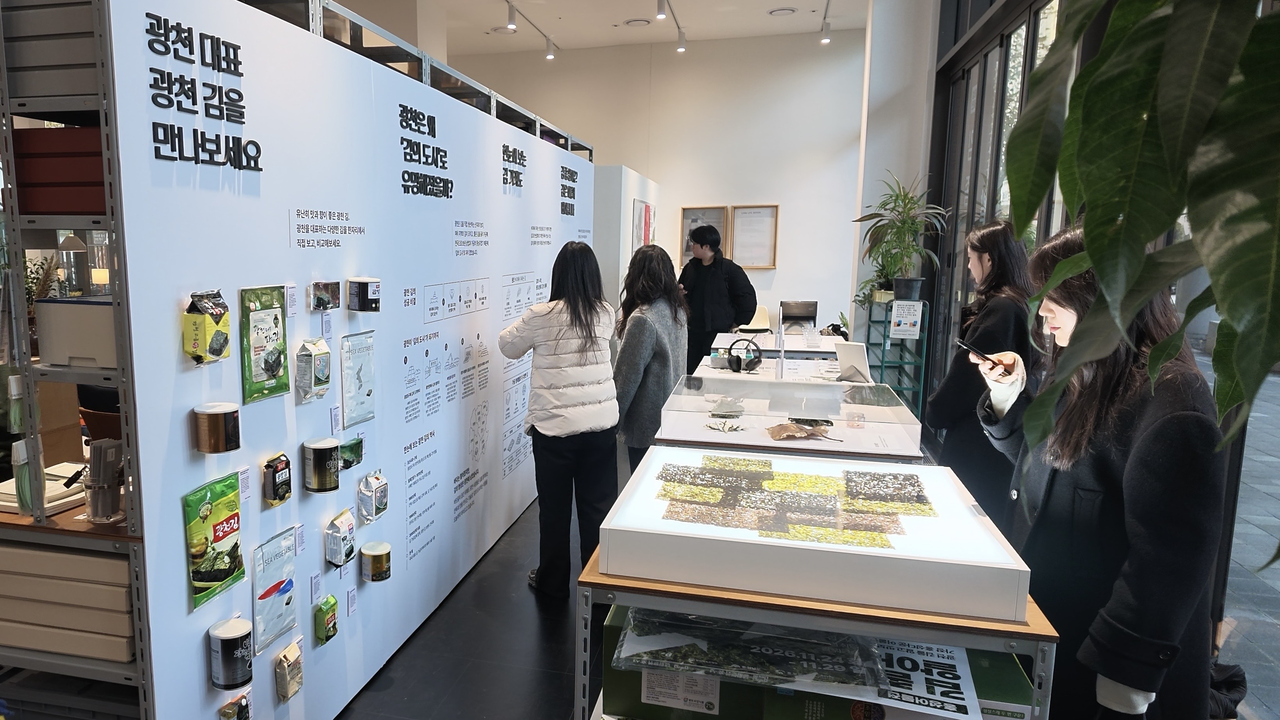
These details were among the lesser-known aspects of the familiar food introduced at the "Made in Hongseong" event, organized by the Hongju Culture and Tourism Foundation of Hongseong County in South Chungcheong Province. The event highlighted local specialties with roots dating back to the Joseon era (1392-1910) and offered new ways to enjoy gim.
"Today we presented gim in different dishes to bring out its distinctive, deep flavor," said Kim Si-yeon, a Korean cuisine chef who gave a cooking demonstration at the event. He starred in Netflix's Culinary Class Wars Season 2 as Banchan Wizard.
"I hope more people, both in Korea and abroad, learn about the familiar side dish and discover different ways to enjoy gim."
mjcha@heraldcorp.com