Key rings that play the sound of a wooden temple instrument and 108 bows at a virtual temple give the age-old wish for exam success new forms
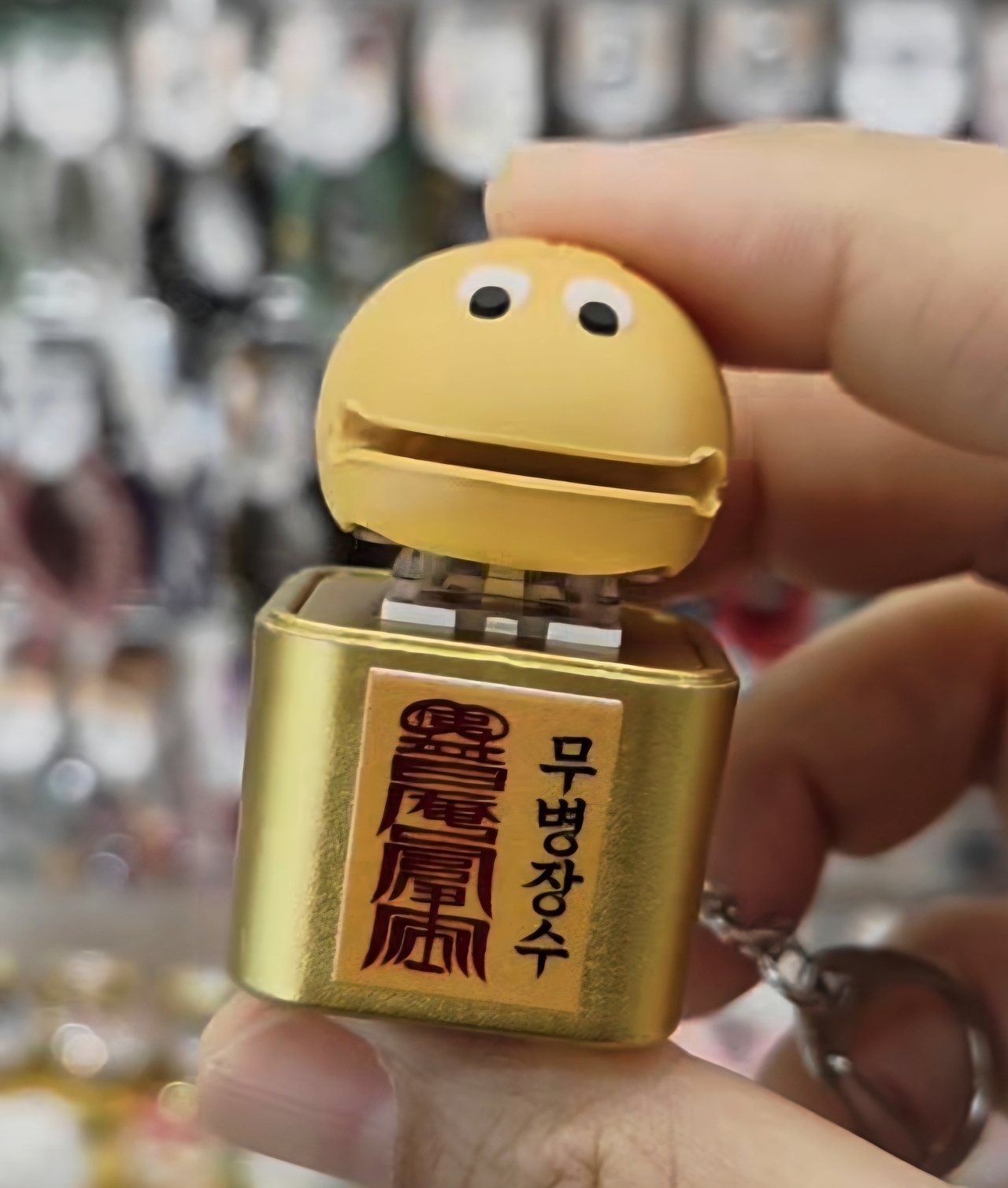
At a shop near Jogyesa in central Seoul, a merchant pressed a button on a key ring. It played the hollow tapping sound of a wooden instrument used in Buddhist rituals.
Shoppers have been buying these key rings as good-luck gifts for students taking South Korea’s college entrance exam.
“The sound of the moktak puts you at ease. The idea is that every time you press it, you build up a little more gongdeok, or Buddhist merit,” the merchant said Wednesday.
“This is our most popular item right now. We’ve sold about 1,000 in two weeks. A lot of people buy the ones with talisman designs as gifts for students taking the (exam).”
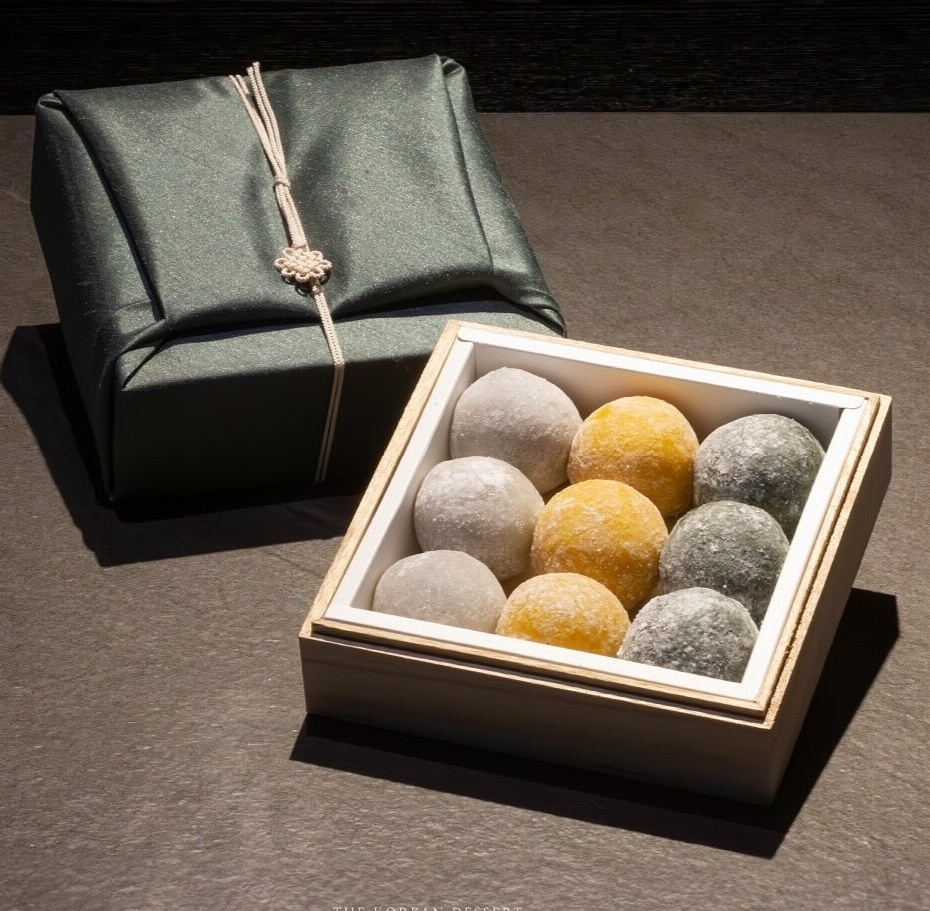
The exam known as the Suneung falls on Nov. 19 this year. Families still give students paper talismans, sticky rice cakes and traditional sweets for luck.
This year, shoppers can also give them a key ring that sounds like a temple instrument or a box of rice cakes with the name of the university they hope to attend.
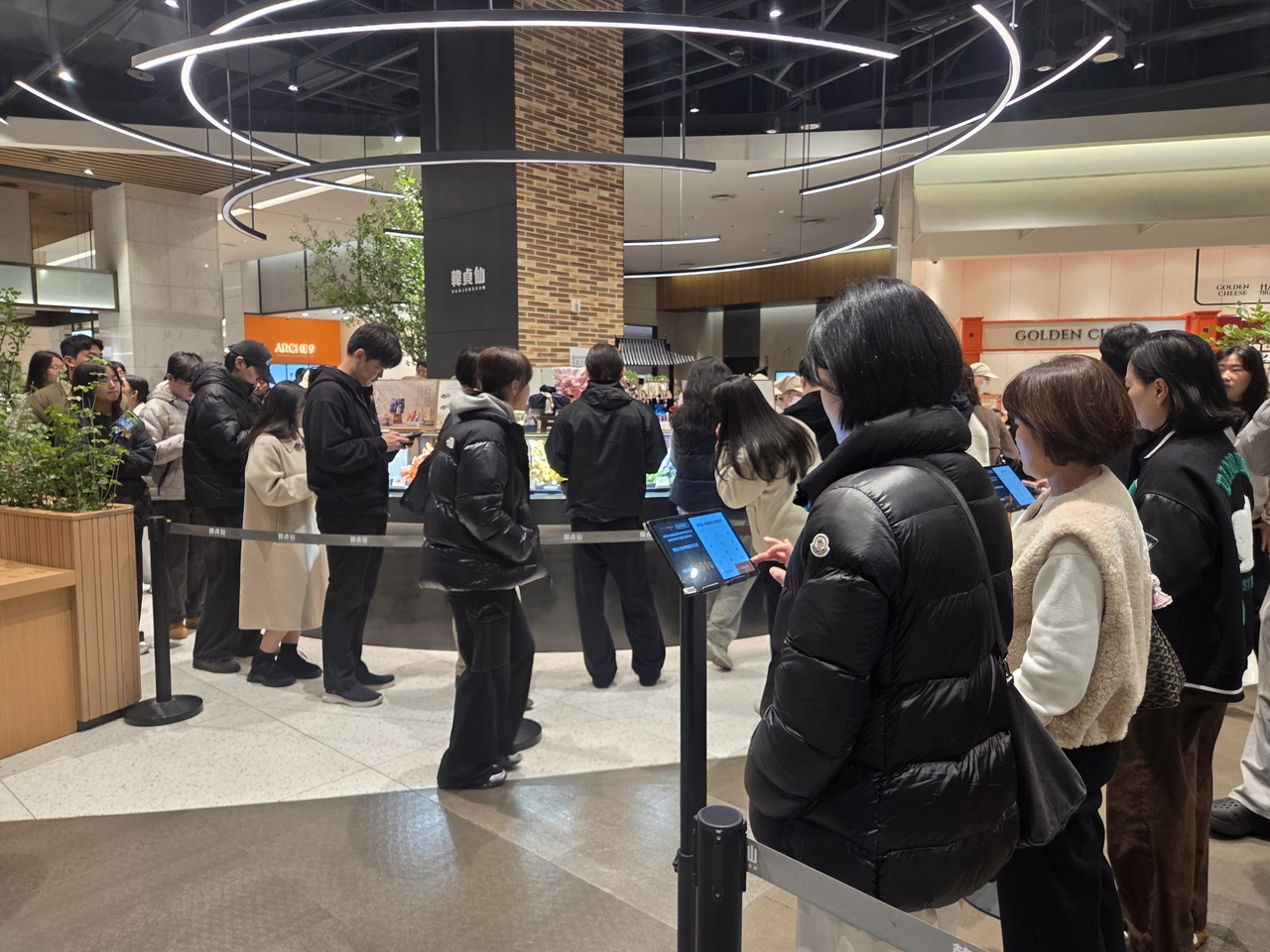
On Wednesday morning, before the Hyundai Department Store in Pangyo opened, a line stretched hundreds of meters from the entrance to its food hall. Shoppers were waiting to buy Hanjungsun’s fruit-filled sticky rice cakes.
An employee said the wait for the popular dessert had grown longer as the exam approached.
Sticky rice cakes and yeot, a traditional Korean candy, are given to students because of a play on words. In Korean, the same verb can mean “to stick” or “to pass an exam.”
“I heard my cousin, who hopes to get into art school, has been getting more nervous as exam day gets closer and has trouble falling asleep,” said a 42-year-old shopper picking out several flavors.
“I hope the rice cakes help a little,” he said.
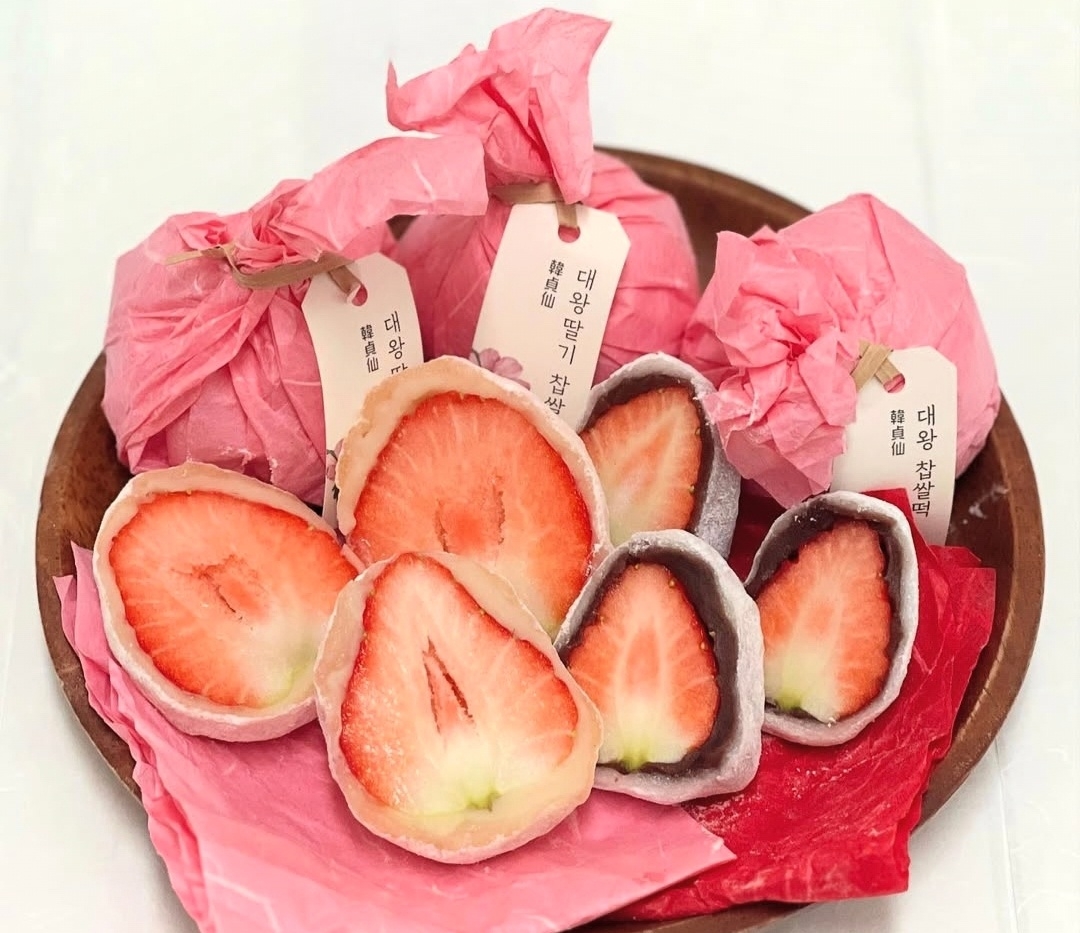
A university name can carry a wish, too. For a student hoping to get into Yonsei University, a box of Yonsei Milk’s ice cream rice cakes can make the message a little more specific.
“The gifts seemed to reflect how families and friends want to cheer students on and hope they get a good result,” a spokesperson for Yonsei University Dairy told The Korea Herald.
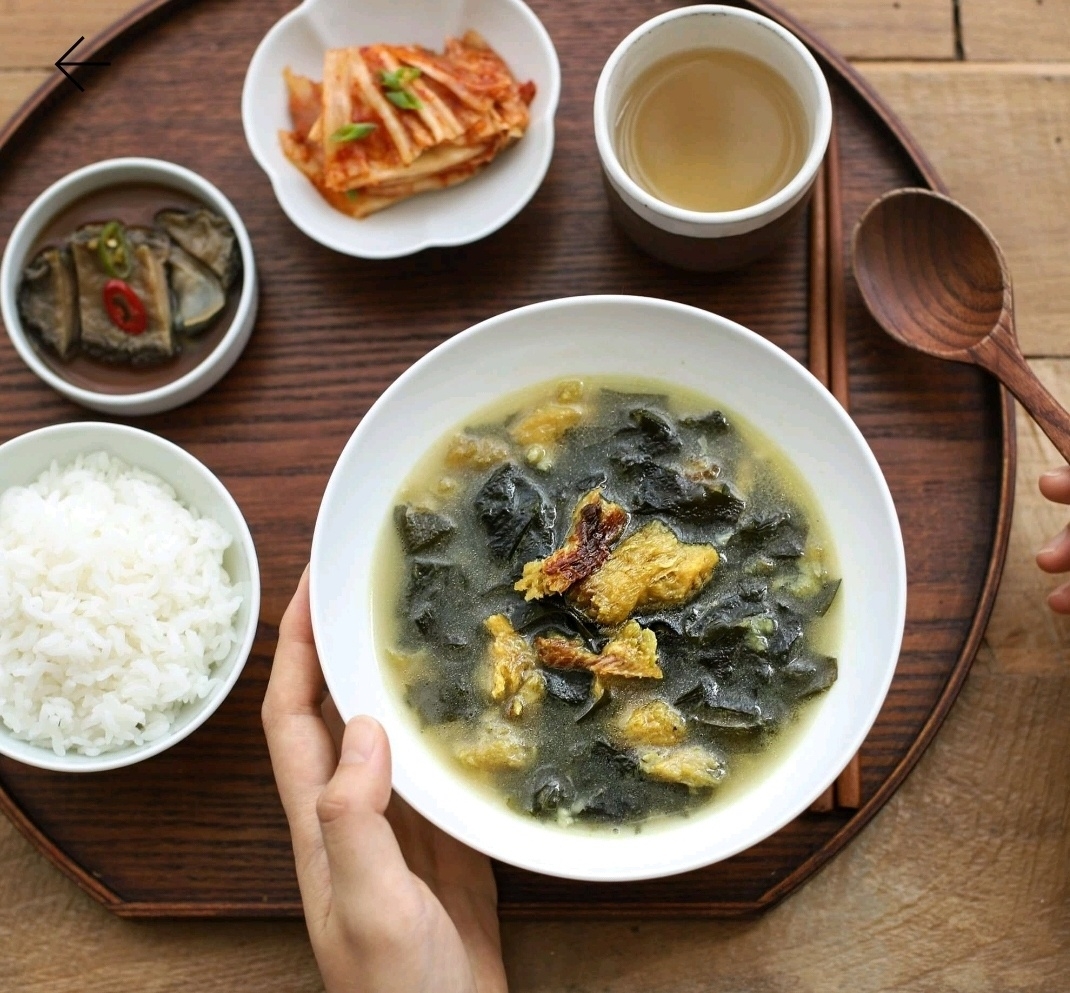
For students, exam superstitions can also dictate what stays off the menu. Some skip miyeokguk, a seaweed soup traditionally served on birthdays. Its slippery texture calls to mind the Korean expression "to slip," which can also mean to fail an exam.
“Before my last year of high school, I used to laugh these things off as silly superstitions,” an Instagram user wrote. “Then I became a senior and started thinking, ‘What if? Why risk it?’ Even the little ones started to get to me.”
How exam superstitions evolve
The Suneung can affect the day’s schedule even for people who aren’t taking it. Government offices and businesses have been asked to start work at 10 a.m. or later, and aircraft takeoffs and landings will be adjusted during the English listening section.
Scholars say the exam’s long-standing status as a turning point in students’ lives helps explain the rituals that have grown up around it. The more people feel is riding on the result, the more elaborate those rituals can become.
“What stands out to me about Korea’s talisman tradition is how people have made charms out of things they could easily find in everyday life, like dried pollock, sticky candy and rice cakes,” said Shim Hyoung-june, research fellow at the Korea Institute for Religion and Culture. “The meanings people gave those objects came from beliefs and associations they shared at the time.”
Dried pollock, for instance, was traditionally hung by the door to ward off bad luck. Today, the fish also appears in the form of yarn dolls and key rings.
“The materials have changed, but the way people choose what to use as a charm seems much the same,” Shim said.
Lee Song-chong, a religious studies professor at Seoul National University, said people may still hope for help from a power beyond their control even after they have done all they can.
“When people are desperate, they reach for whatever might help. They hope that even a stroke of luck might make what they want come true,” Lee said.
“These practices will take new forms as culture changes,” he said. “The desire to take part is a basic human impulse.”
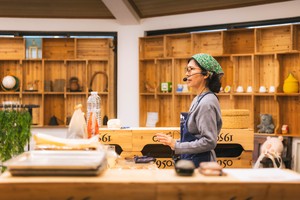
Lee pointed to a virtual Buddhist temple called “online Sansa,” which recently drew attention in South Korea. Built with the help of AI, it lets visitors perform 108 bows through their avatars.
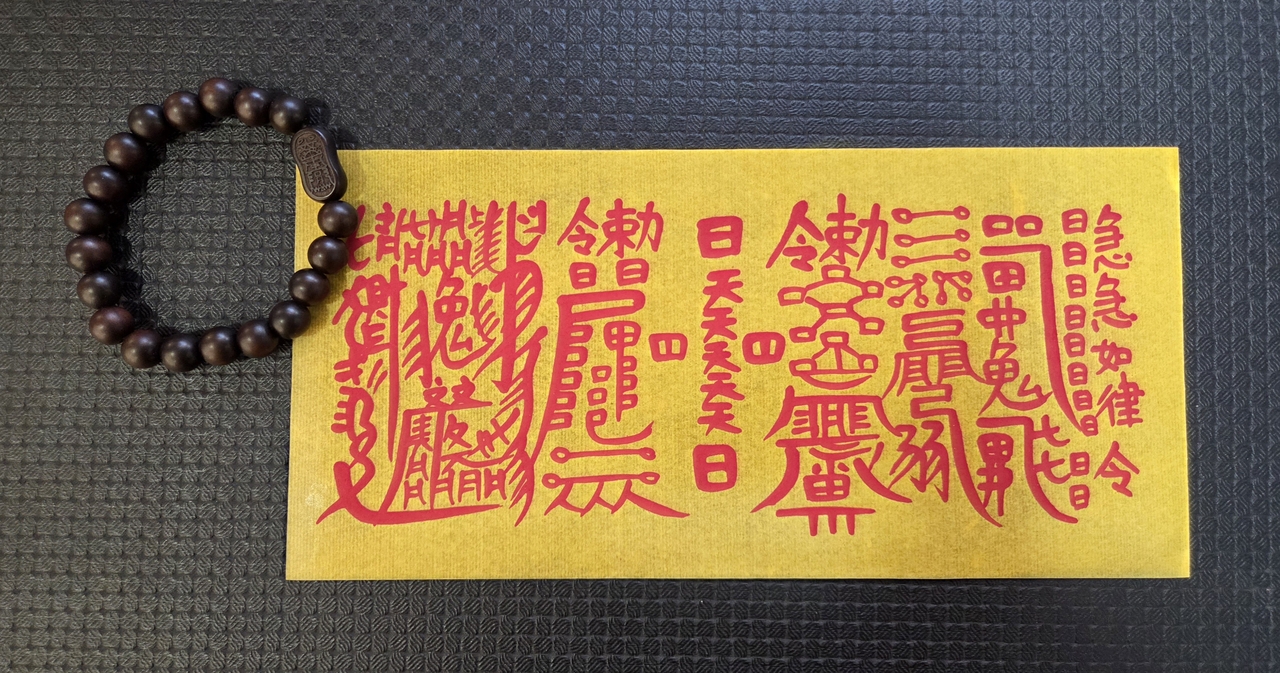
Back near Jogyesa, a merchant held up a yellow paper talisman with red characters and symbols wishing a student success on the exam. The shop sells the paper talismans alongside key rings priced at 5,000 won each.
“People don’t ask for paper talismans as much as they used to,” the merchant said.
“I think it’s because there are more kinds of good-luck charms to choose from now.”
yunapark@heraldcorp.com