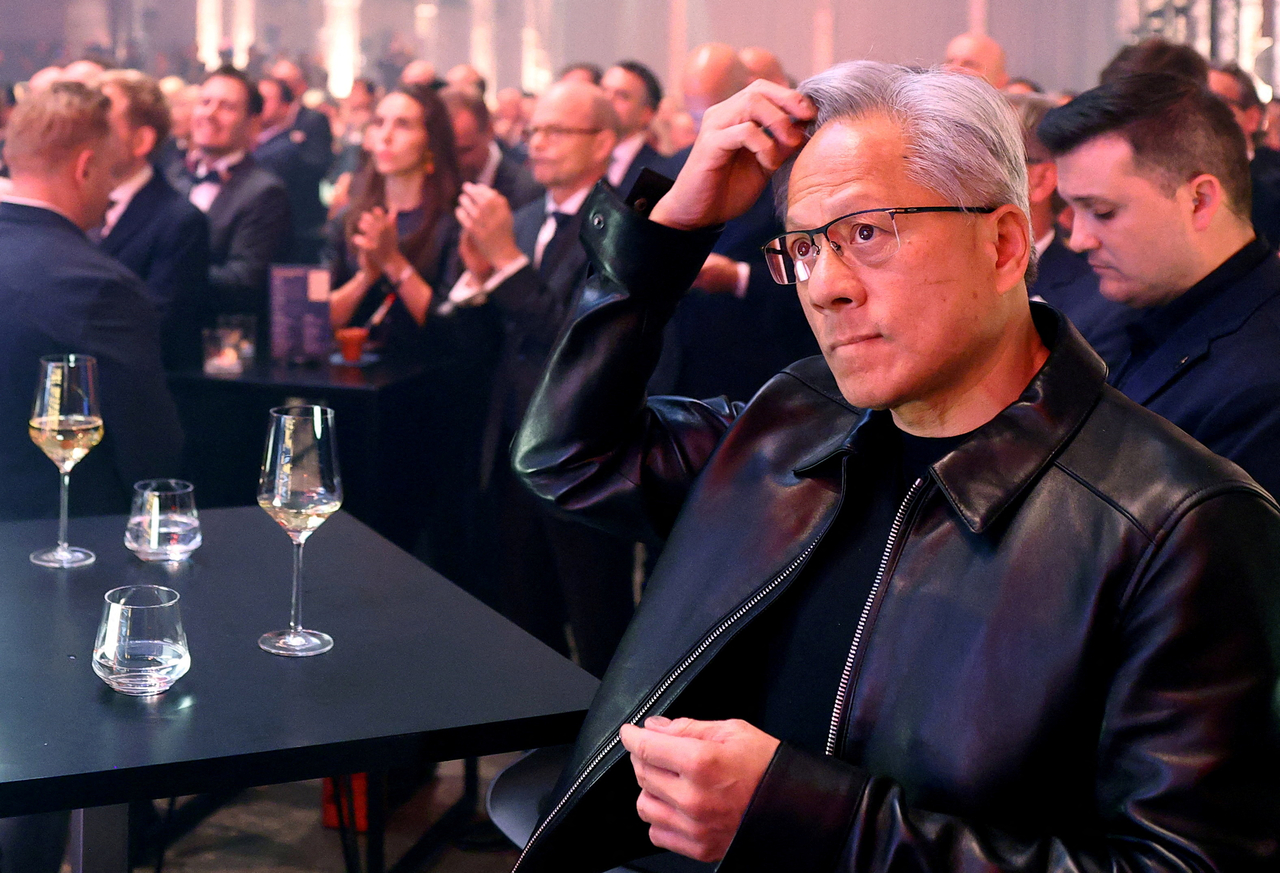
Nvidia shed about $430 billion in market value over two sessions as new reports deepened questions about CEO Jensen Huang's relationship with a Chinese businesswoman alleged to be a spy for Beijing.
The controversy escalated on several fronts Tuesday as allegations emerged that Huang's relationship with Alice Huang aided at least $7.5 billion in Nvidia chip shipments to China and that US Secretary of State Marco Rubio had previously briefed President Donald Trump on the affair. Senate Democratic Leader Chuck Schumer demanded answers from the administration and tighter curbs on chip exports to China, while the company's independent directors hired outside counsel to investigate.
The allegations have turned Huang's personal conduct into a broader risk for Nvidia, raising questions about the company's governance and its dependence on the CEO who has led it for more than three decades and built it into the dominant supplier of AI chips. He owns about 3.6 percent of the company — but does not have majority voting control — and runs an unusually flat organization in which dozens of executives report directly to him.
The FBI is separately examining whether the 63-year-old Huang was targeted by a foreign intelligence operation. Huang has told employees he was unfaithful to his wife but provided no details about the relationship.
Huang apologized to top executives at a closed-door meeting Monday before pivoting to business and was back holding meetings at Nvidia's headquarters Tuesday, CNBC reported.
Nvidia has said its board has no reason to believe US national security or company secrets were compromised and that Huang has committed to cooperating with the internal review. The board has retained Joon Kim, a Wachtell Lipton partner and former acting US Attorney for the Southern District of New York, whose practice includes internal investigations and white-collar defense, to lead the probe.
Nvidia's stock, which had been nearly flat this year before news of the affair broke, has fallen 9.5 percent since then. The shares have lagged the broader market on investor unease over whether massive spending on AI will deliver adequate returns.
The New York Times reported Tuesday that Rubio had briefed Trump aboard Air Force One en route to China about US intelligence indicating Huang was involved with a woman believed to be a Chinese spy. The briefing marked at least the second time in seven months that Trump had been told about the intelligence, the Times reported, citing people with knowledge of the matter.
Trump said Monday he had spoken with Huang and asked whether he knew the woman was a spy. Trump said Huang told him he had "absolutely no idea" and that he believed the Nvidia CEO.
Trump also said he had not known about the alleged ties when Huang accompanied him to China in May.
Schumer said Tuesday that Congress must have a full accounting of Trump's defense of Huang and called on lawmakers to quickly approve new restrictions on US chip exports to China.
"He's supposed to protect America, not China, not his friends," Schumer said, accusing Trump of failing to address foreign espionage in the American technology industry.
Alice Huang, also known as Huang Le, along with her husband and sister, built a network of companies across China and Singapore to acquire Nvidia chips, The Information reported.
When orders for Nvidia chips subject to US export restrictions stalled, Alice Huang used ties to Nvidia to secure supplies, helping move about 240,000 H100, H200 and some A100 chips into China, according to the report. Some of the chips ultimately served Alibaba, Tencent and smaller Chinese AI labs.
She held senior roles at a Shanghai investment firm before becoming the controlling shareholder of Singapore-based cloud-computing company Megaspeed International, which was linked to Century Litong, a China-based company that secured preferred cloud partner status with Nvidia in 2023, giving it priority access to the company's chips.
Separately, the Financial Times reported Tuesday that several US government agencies pushed for Megaspeed to be included on the entity list, a trade blacklist of groups connected to China that US officials say pose national security risks, but the US Commerce Department was delaying efforts to blacklist the company.
The Commerce Department had sought more information about some companies under consideration, the FT reported. It was unclear whether Megaspeed was among those companies, but the delay has left it off the list, according to the report. (Reuters)