For years, cheap money made debt look almost harmless. The bond market now offers a more expensive lesson.
수년간 저금리는 부채가 그다지 위험하지 않은듯 보이게 했다. 채권시장은 이제 더 큰 대가를 요하는 가르침을 준다.
Long-term government bond yields have surged across major economies, with the US 30-year Treasury yield briefly topping 5.33 percent, its highest since 2007. Japan’s 10-year yield reached a three-decade high of 2.95 percent, while French, German, British and South Korean yields reached multi-year or record peaks.
장기 국채 수익률은 주요 경제국가들 전반에 걸쳐 상승해 미국 30년 만기 국채 금리는 장중 5.33퍼센트를 넘어 2007년 이후 최고치를 기록했다. 일본의 10년물 국채는 30년만의 최고치인 2.95퍼센트를 기록했고 프랑스, 독일, 영국, 한국에서도 수년만의 혹은 역대 최고치에 달했다.
This is more than a temporary market reaction to central-bank policy. Short-term US yields have stayed relatively stable as rate-cut expectations persist, even as long-term yields climb.
중앙은행 정책에 대한 일시적인 시장의 반응 그 이상이다. 금리인하 기대가 지속되는 가운데 장기채가 상승하고 있음에도 미국 단기채는 상대적으로 안정세를 보였다.
Investors are demanding higher compensation to hold long-duration paper as sovereign borrowing expands, inflation remains unpredictable and bond supply swells worldwide.
국가 부채가 늘고 인플레는 여전히 예측불가이며 세계적으로 채권 공급이 확대되면서 투자자들은 장기 채권 보유에 더 많은 보상을 요구하고 있다.
Fiscal policy sits at the heart of this shift. US federal debt is rapidly approaching $40 trillion, with annual interest servicing exceeding $1 trillion, a figure that now rivals its defense budget.
이 변화의 중심에는 재정정책이 있다. 미국의 연방정부 부채는 빠르게 40조달러에 육박하고 있으며 연간 이자 비용은 1조달러를 넘어 이제 국방비와 비등한 수준이 되었다.
Japan is pursuing expansionary spending despite a debt burden above 250 percent of gross domestic product. European governments face heavy funding needs that add further upward pressure on global borrowing costs.
일본은 GDP의 250퍼센트를 넘는 부채에도 불구하고 확장재정을 추구하고 있다. 유럽 국가들은 대규모 자금 조달 수요에 직면해 글로벌 차입 비용은 추가적인 상승 압력을 받고 있다.
Then there is artificial intelligence. The AI-driven tech boom has created a massive new borrowing class. Amazon, Alphabet, Microsoft, Meta and Oracle are tapping credit markets heavily to finance data centers and chip purchases.
또다른 요인은 인공지능이다. AI 주도의 테크 호조로 막대한 신규 대출집단이 탄생했다. 아마존, 알파벳, 마이크로소프트, 메타 그리고 오라클은 데이터센터와 메모리칩 구입 비용 조달을 위해 신용시장에 크게 의존하고 있다.
The five hyperscalers are set to issue roughly $250 billion in bonds this year, double last year's figure, with their total corporate issuance expected to expand further in 2027.
이 다섯개의 글로벌 초대형 빅테크 기업들은 올해 약 2천5백만달러 상당의 회사채를 발행할 예정이다. 지난해의 두 배에 달하는 규모로 이들의 총 회사채 발행액은 2027년에는 한층 더 늘어날 것으로 예상된다.
The implications extend far beyond Big Tech. Government bonds and top-rated corporate debt are competing for the same investors. When bond supply and inflation uncertainty rise together, borrowing costs can climb across the market.
그 함의는 빅테크를 크게 넘어설 것이다. 국채와 초우량 회사채는 같은 투자자를 두고 경쟁하고 있다. 채권 공급과 인플레 불확실성이 동반 상승하면 대출비용은 시장 전반에 걸쳐 오를 수 있다.
AI investments may eventually generate enough productivity to justify this leverage, but bondholders will not finance that potential cheaply.
AI 투자는 종국에는 이러한 부채를 정당화할 만한 생산성을 창출해낼 수도 있다. 그러나 채권소유자들은 그 잠재력에 자본을 대는데 작지 않은 대가를 요구할 것이다.
Energy adds another layer of complication. Ongoing friction near the Strait of Hormuz has pushed oil higher and revived broad price pressures. That matters because long-dated paper is sensitive to inflation risks. Even if central banks trim benchmark rates, high long-term yields keep mortgages, corporate debt and private consumer loans expensive.
에너지로 상황은 한층 더 복잡해진다. 호르무즈 해협에서 계속되는 갈등으로 유가는 상승했고 광범위한 가격 압박이 다시 시작되었다. 장기 채권이 인플레 위험에 민감하기에 중요한 문제다. 중앙은행이 기준금리를 낮춘다 하더라도 높은 장기 채권 수익률로 주택담보대출, 기업부채, 민간 소비자 대출 이자는 높은 수준을 유지한다.
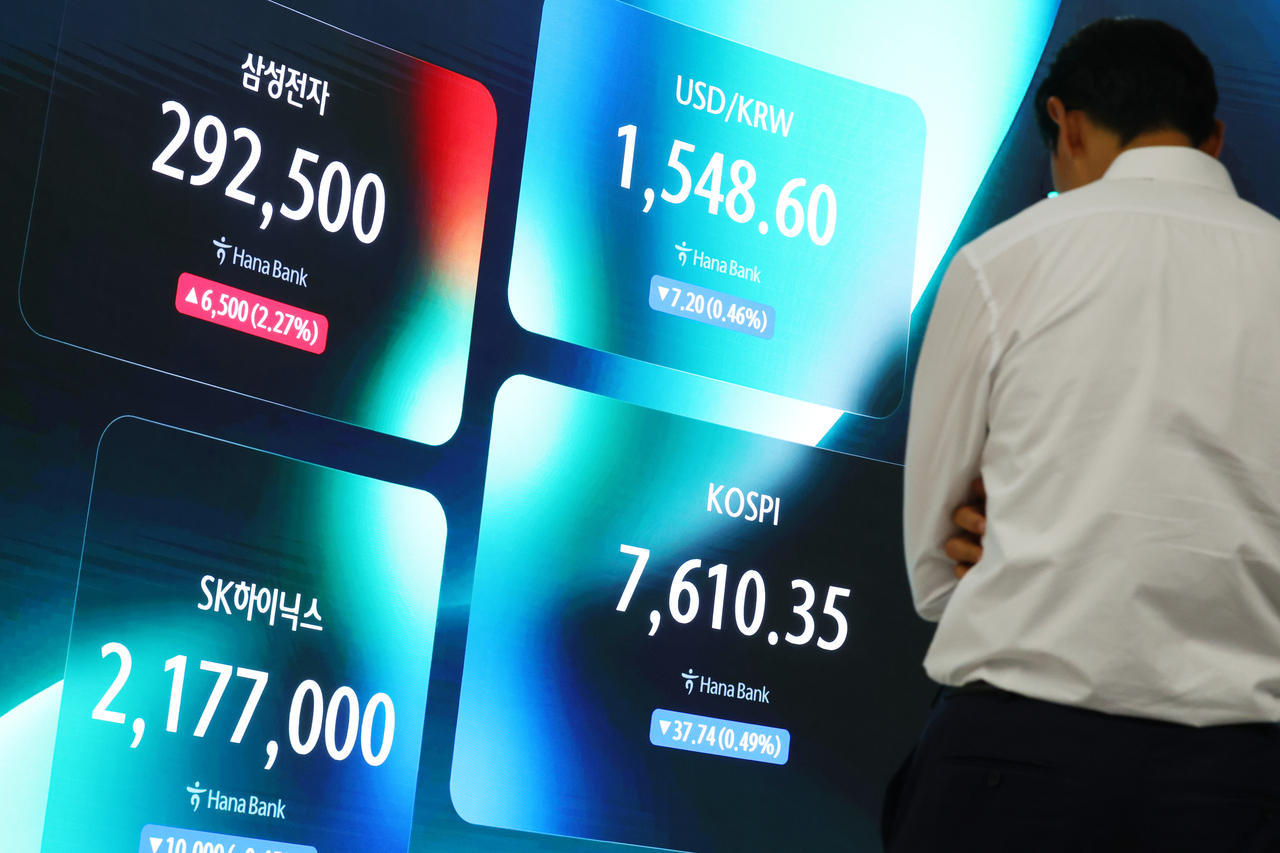
South Korea has little insulation from this shift. Its export-dependent economy is exposed to global capital flows and domestic long-term rates track major global markets closely. The sharp gyrations of the benchmark Kospi this week showed how fast bond market anxiety spreads to equities.
한국은 이러한 변화에서 오는 충격을 거의 고스란히 떠안게 된다. 수출 의존 경제는 글로벌 자본 흐름에 노출되어 있으며 국내 장기이율은 주요 글로벌 시장과 긴밀히 연동된다. 이번주 대표 주가인 코스피 지수가 급격히 요동친 것은 채권 시장의 불안이 얼마나 빠르게 주식으로 확산되는지 보여주었다.
A fragile household balance sheet makes this transition all the more painful. The latest data from the Bank of Korea showed that Korea’s household credit reached a record 2,019.8 trillion won ($1.45 trillion) at the end of June, rising 25.9 trillion won in the second quarter, the largest quarterly surge since late 2021.
불안정한 가계 재정이 이러한 변화를 더욱 고통스럽게 만든다. 한국은행의 최신 자료에 따르면 6월말 한국의 가계신용은 2천19조8천억원이었다. 2분기에 25조9천억 증가해 2021년 말 이후 가장 큰 폭으로 늘었다.
Housing demand and stock market borrowing both drove the increase, raising the potential for higher borrowing costs to weigh on domestic spending.
주택 수요와 주식시장을 위한 대출이 모두 증가세를 주도했고 늘어난 차입 비용이 국내 소비를 위축시킬 가능성이 높아졌다.
The upswing in capital costs also threatens Korea’s chip-export model. Expensive debt could curb the hyperscaler infrastructure spending that fuels demand for advanced memory components. This could undermine a key driver of export growth.
자본비용의 상승은 한국의 반도체 수출 모델에도 위협이 될 수 있다. 높아진 부채비용이 첨단 메모리 부품의 수요를 촉진하는 빅테크 기업들의 인프라 투자를 억제할 수 있다. 이는 수출 성장의 주요 동력을 약화시킬 수 있다.
Policymakers must resist managing this strain with temporary liquidity injections or relaxed credit caps. Such fixes offer only brief relief, leaving underlying leverage unaddressed.
정책당국은 일시적인 유동성 공급이나 대출한도 규제 완화로 이 압박에 대처하려 해서는 안된다. 그러한 조치들은 일시적인 완화에 그칠뿐 근본적인 부채 문제를 해결하지는 못한다.
The necessary response is to tackle key issues head-on. Fiscal policy should preserve market confidence through clear spending boundaries, especially when tax revenues benefit from temporary chip windfalls. Monetary policy must keep inflation expectations anchored and steer targeted credit protections toward truly vulnerable borrowers.
핵심 이슈들에 정면으로 맞서는 대응이 필요하다. 금융정책은 명확한 지출 기준을 통해 시장의 믿음을 유지해야 한다. 특히 메모리칩에서의 우발적 이익으로 세수가 일시적으로 늘어날 때는 더욱 그러하다. 금융정책은 기대인플레이션을 고정시키고 맞춤형 신용보호장치들이 실질적으로 취약한 대출자들에게 제공될 수 있도록 해야 한다.
Cheap capital encouraged governments, firms and households to borrow as if credit conditions were permanent. The markets are now shattering that assumption. For Korea, adjusting early is far better than waiting until high yields become the norm.
저금리로 정부, 기업, 가계는 그러한 신용여건들이 영구적일 것처럼 대출을 늘렸다. 시장은 이제 그 가정을 깨부수고 있다. 고금리가 정착될 때까지 기다리는 것보다 빠르게 조정하는 것이 한국에 있어 훨씬 더 나은 선택이다.
long-duration paper 장기 채권, 장기물
servicing 이자 지불
hyperscaler 글로벌 초대형 빅테크 기업
leverage 부채
gyration 회전
khnews@heraldcorp.com