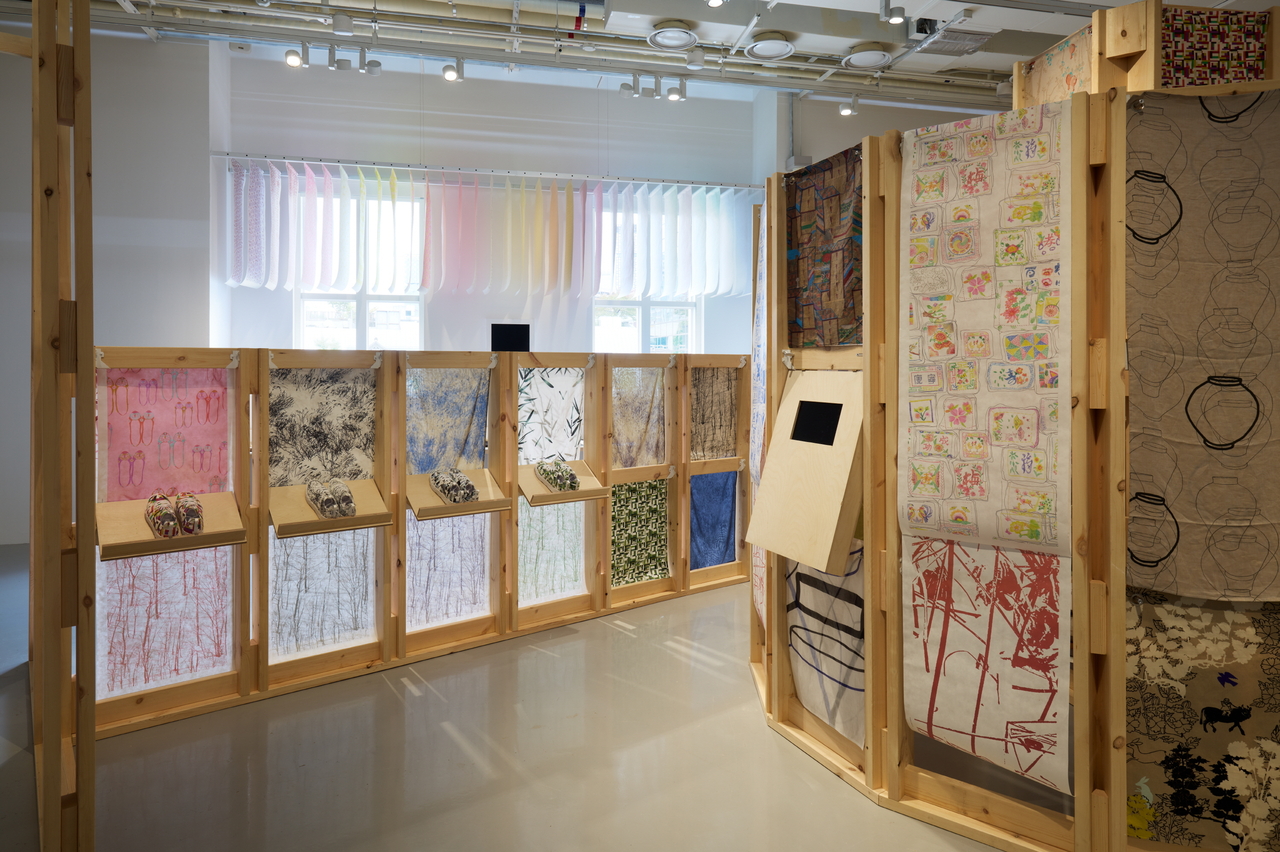
For designer Chang Eung-bok, Korean traditional patterns are not meant to remain on museum walls.
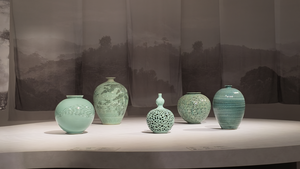
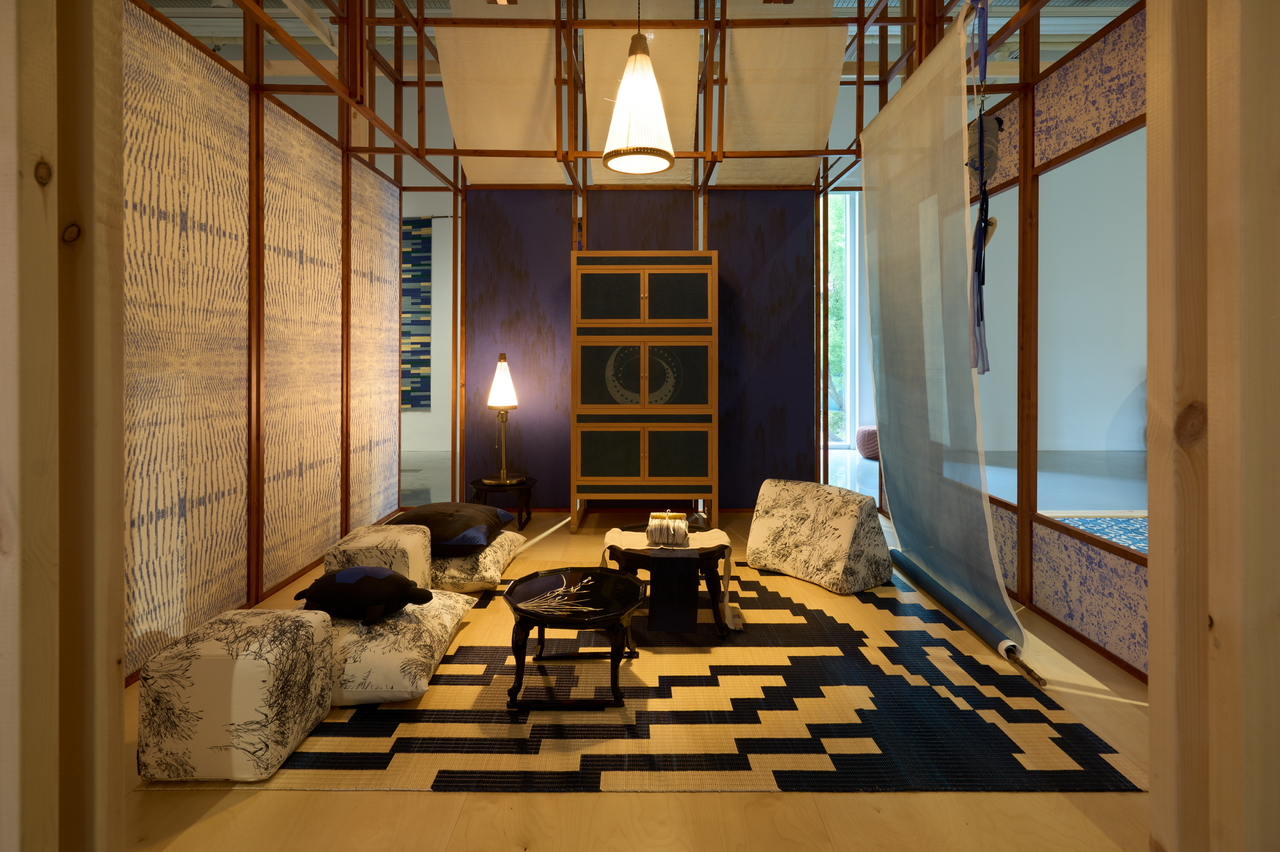
Over four decades, Chang has taken Korean patterns and translated them into textiles, furniture, household objects, and interior spaces. "Equinox," which opened Tuesday at the Seoul Museum of Craft Art, traces her journey connecting traditional crafts with contemporary design and everyday life.
"As a designer, I took the virtues and the techniques from Korean craft and, through concepts and modern reinterpretation, unfolded them into contemporary sensibilities," said Chang during a press preview on Monday.
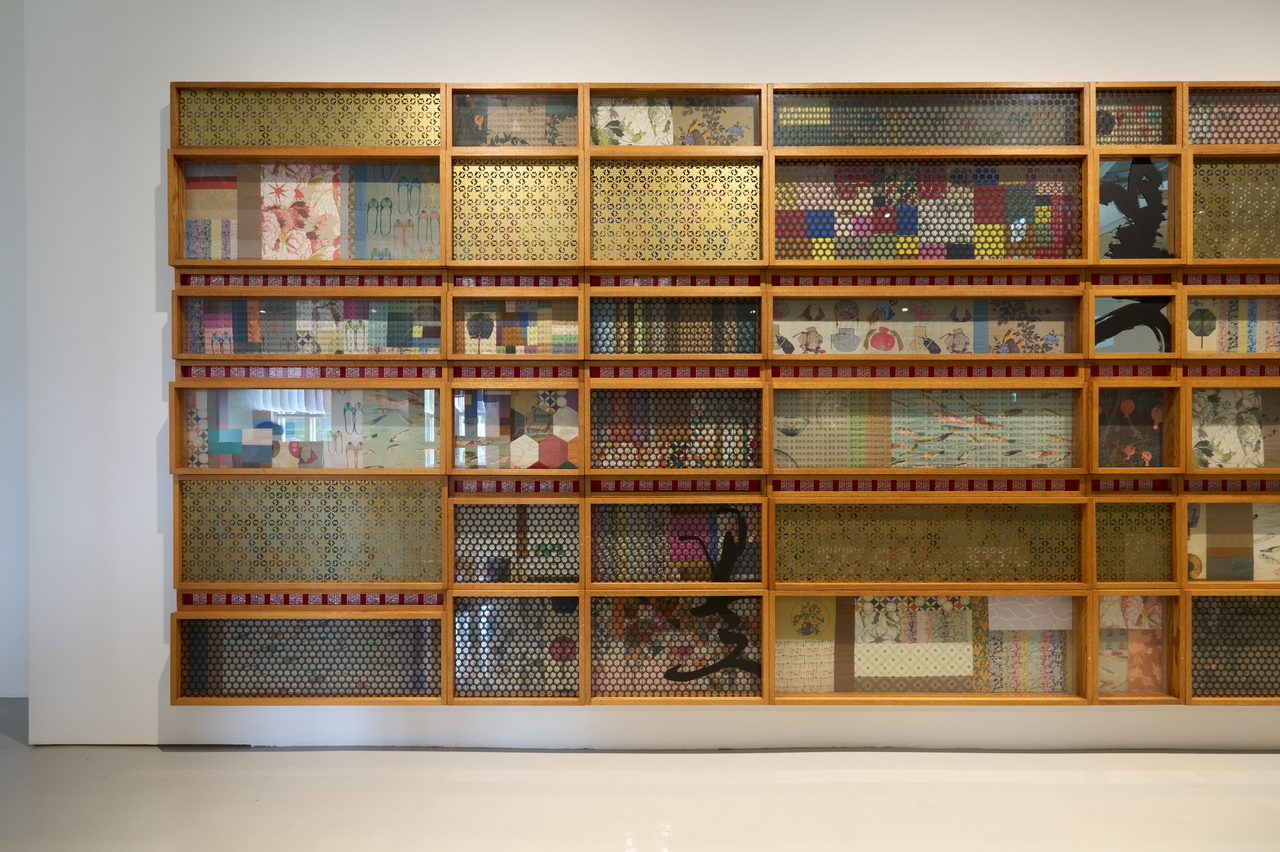
The exhibition curates around 400 artworks spanning patterns, Korean traditional paper-making called "hangji-jang," lighting and spatial installations.
Chang worked with traditional artisans such as Yoon Gyu-sang, the holder of Jeonbuk State intangible cultural heritage of Usanjang, and Jung Kwan-chae, the holder of national intangible cultural heritage of natural dyeing.
She learned some of the techniques herself, including methods involving Korean paper and traditional dyeing, to explore how these techniques could be reinterpreted through her designs and blend into scenes that are familiar to us: nature and home.
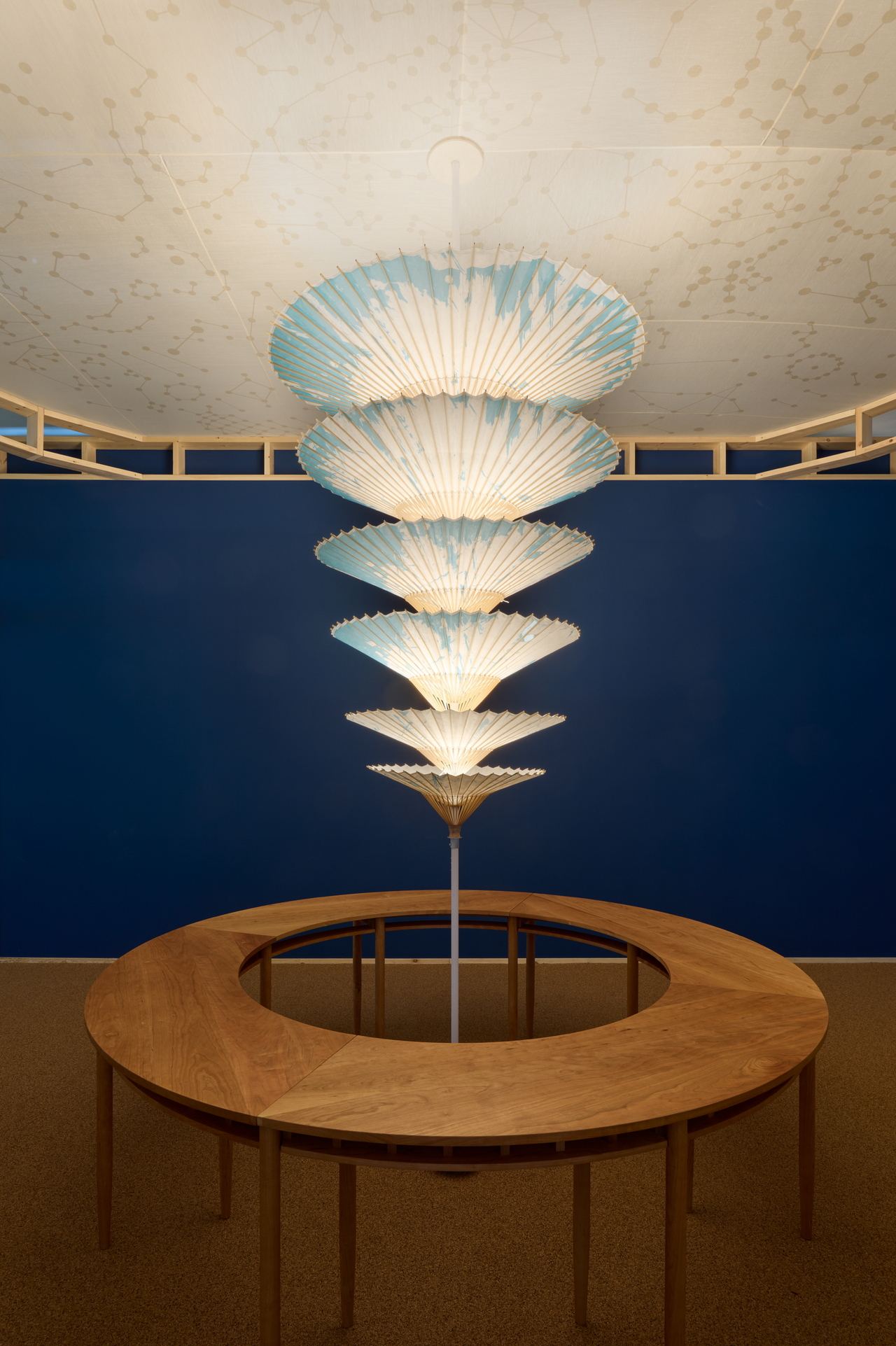
The exhibition's immersive centerpiece, "Tapdori: Circling a Pagoda in Prayer," brings together mountains, the sea and stars in a circular space.
Indigo-blue Geumgangsan and the sea surround a circular space patterned with constellations, while layers of traditional Korean paper umbrellas form a chandelier that stands at the center like a tower of light. The installation invites visitors to walk around it and become part of nature's cycle.
"The process was about finding the space where we can recreate the inherent beauty within modern or industrial systems," she said, adding that using a wide range of techniques and materials allowed her to expand Korean patterns into paper, textile, furniture, and craft objects.
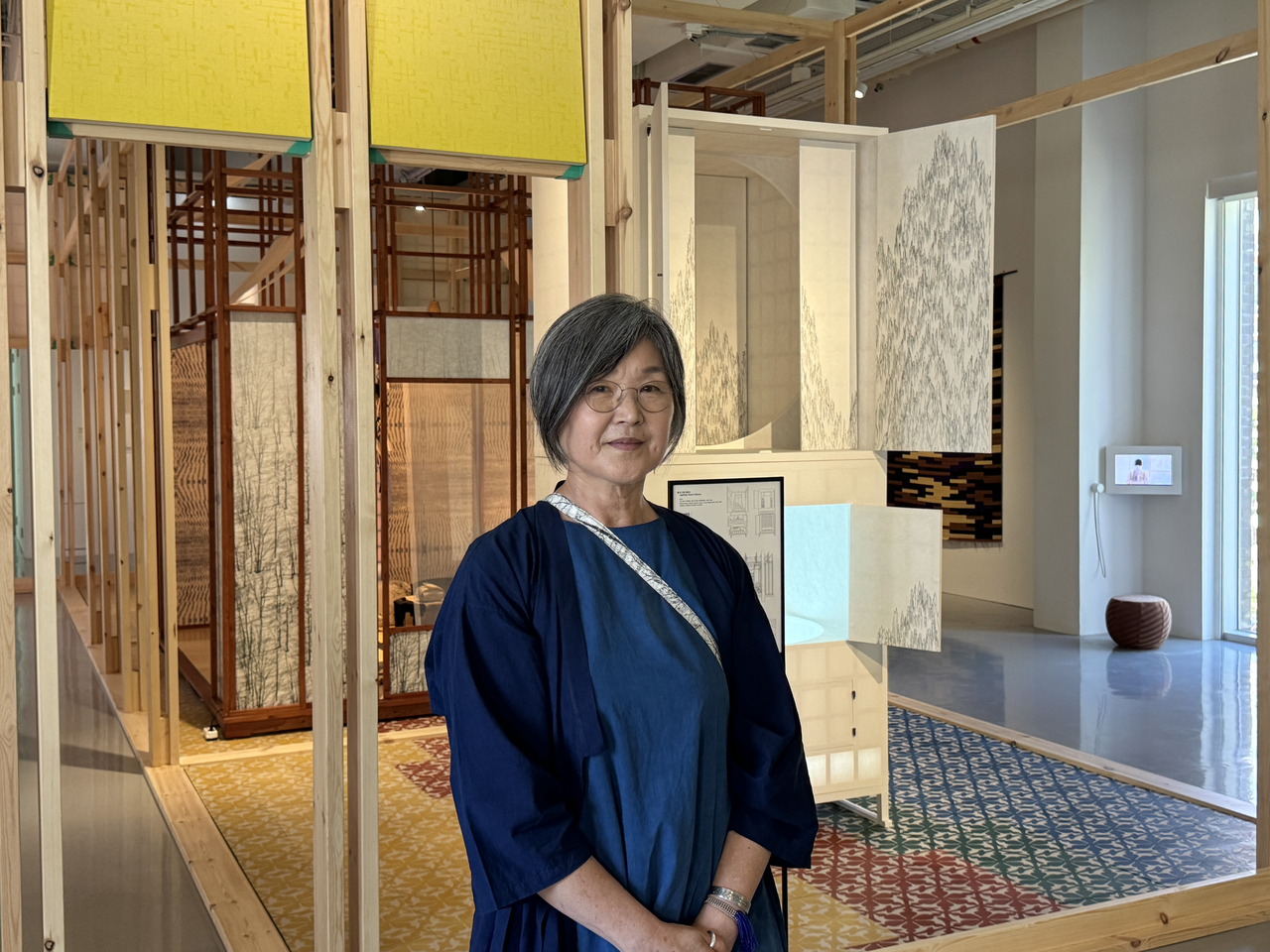
Chang’s work is not just about reproducing traditional Korean aesthetics. She describes Korean beauty as understated and gradual, citing her “Jijang” work, whose elaborate designs are revealed only when its seemingly plain doors are opened.
That restraint is balanced by an element of surprise. “Korea does not try to maintain perfect balance or left-right symmetry,” she said, pointing to the irregular harmony of Korean moon jars and white porcelain.
Chang carries these qualities into contemporary interiors, using traditional ideas as a foundation for spaces that feel personal and lived-in.
The exhibition runs through March 7.
mjcha@heraldcorp.com