Municipal treasury contracts offer banks gateway to local customers and business, despite high costs and modest direct returns
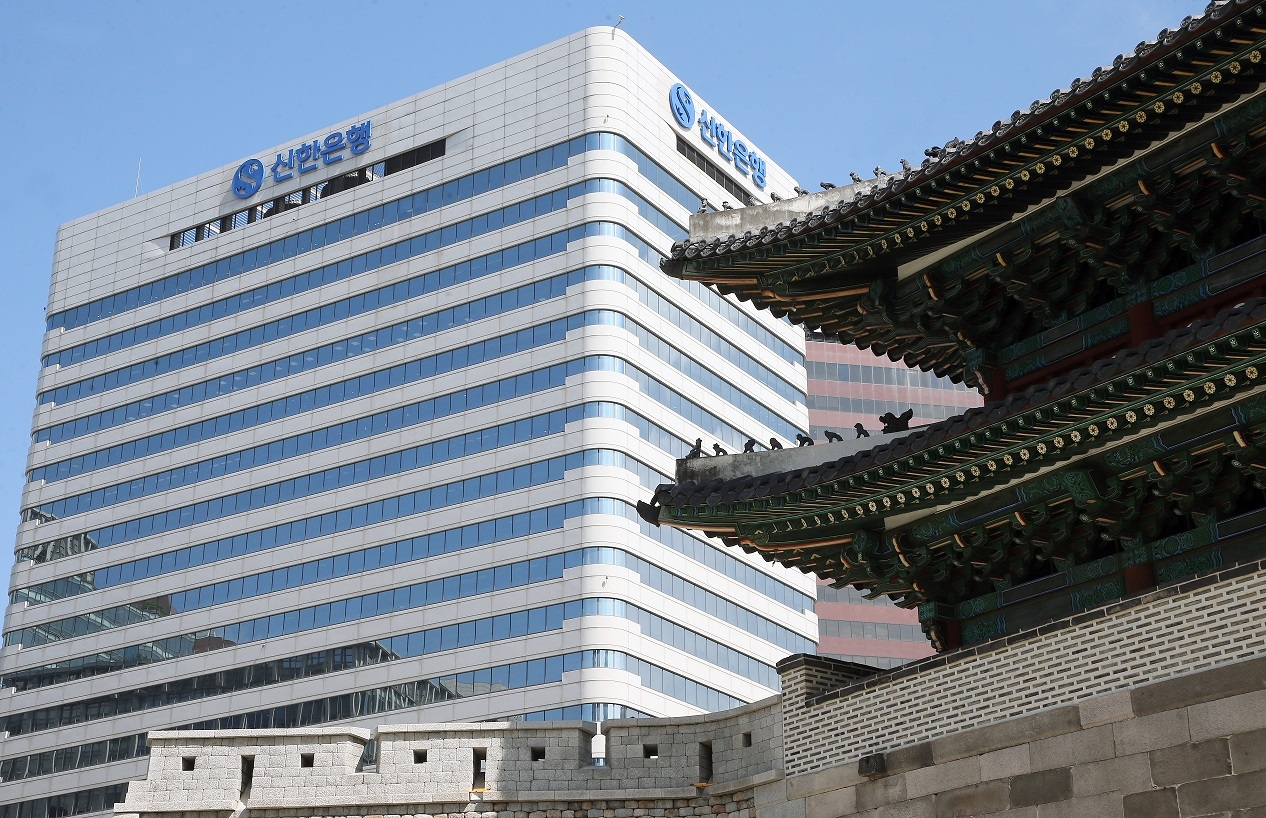
Shinhan’s renewed Incheon mandate highlights the value of public accounts as gateways to deposits, customers and regional business
Shinhan Bank’s latest win gives it another four years managing Incheon’s main treasury, an account handling nearly 15 trillion won in annual public spending. But the value of the mandate lies less in the headline figure than in the business it can help generate.
Municipal treasury contracts can be costly to secure and slow to turn a profit. Banks offer competitive deposit rates, commit substantial funding to local projects and invest in dedicated IT systems. Even so, managing a city’s finances can help them build customer relationships and expand their regional networks.
Incheon Metropolitan City selected Shinhan on Thursday to operate its No. 1 treasury from 2027 to 2030, extending a relationship that began in 2007. The decision follows Shinhan’s successful defense of both Seoul treasury accounts in May, keeping the bank in charge of public finances for two of Korea’s biggest metropolitan governments through 2030.
What does a treasury bank manage?
A municipal treasury bank manages the accounts through which a local government receives, holds and disburses public funds.
Incheon’s No. 1 treasury covers its general account, public enterprise special accounts and funds, totaling 14.45 trillion won ($10.9 billion) based on the city’s 2026 budget. NH NongHyup Bank was selected to manage the No. 2 treasury, which handles other special accounts worth about 2.02 trillion won.
Those figures describe the scale of the budgets the banks will handle, not deposits that remain in their accounts throughout the year. Money flows in and out as the city collects revenue and makes payments, leaving a much smaller balance available for banks to earn returns on.
That distinction helps explain why a multitrillion-won mandate does not necessarily translate into a large profit.
Why can returns be thin?
Winning a treasury contract comes with significant costs.
Competition pushes banks to offer higher interest rates on public deposits, reducing the margin they can earn from those funds. Banks also pledge cooperation funds for local projects and bear the cost of building and maintaining systems to handle government transactions.
Under its current 2023-26 Incheon contract, Shinhan committed 110.7 billion won in cooperation funds.
The upfront cost of entering a major treasury business can be greater still. When Shinhan won Seoul’s No. 1 treasury in 2018, it offered around 301.5 billion won in contributions and spent about 100 billion won on IT infrastructure. Industry reports said the Seoul business took roughly three years to break even.
Such commitments mean banks must weigh the cost of winning a mandate against both its direct returns and the wider business opportunities it may create.
What makes the contracts attractive?
The appeal extends beyond the treasury account itself.
Handling a major city’s finances gives a bank a foothold in the local economy, creating opportunities to deepen ties with businesses, merchants and residents.
“Municipal treasuries provide banks with a stable deposit base while creating opportunities to expand financial transactions with local businesses, small merchants and individual customers,” said Kim Dae-jong, a business administration professor at Sejong University.
“With competition intensifying among banks, securing a municipal treasury has also become important for building long-term customer relationships and strengthening a bank’s regional business network,” Kim said.
The strategic calculation is therefore broader than whether the public account alone turns a profit. Banks are also competing for relationships that could generate business over the life of the contract and beyond.
How are the banks selected?
Municipal governments assess more than the financial terms on offer.
Incheon’s latest evaluation covered six categories, including financial soundness, deposit and lending rates, convenience for residents, treasury management capabilities and contributions to the local community.
The selection process requires cities to balance financial benefits against the reliability and accessibility of the services they receive. A bank must be able to handle public funds consistently while providing convenient services for residents.
“Building on our stable track record in treasury management and financial capabilities, we will work to further improve financial convenience for Incheon residents,” a Shinhan Bank official said Friday. “We will also continue to contribute to Incheon’s economic growth and regional development.”
jwc@heraldcorp.com